2026 Best POS Machine Battery Types for Global Buyers
As cashless commerce expands, payment terminals must remain ready through crowded counters, outdoor markets, and long delivery shifts. Worldpay’s Global Payments Report 2024 reported that digital wallets represented about 50% of global e-commerce transaction value and 30% of in-store payment value in 2023. That growth increases pressure on portable terminals and their batteries.
A reliable Pos Machine Battery must balance runtime, charging speed, weight, safety, and replacement cost. Lithium-ion batteries remain common because they offer strong energy density and mature supply chains. Lithium-polymer designs can support slimmer terminal shapes, while lithium iron phosphate may offer stronger thermal stability and longer cycle potential. However, no chemistry wins every market. Device design matters just as much.
The International Energy Agency’s Global Critical Minerals Outlook 2024 highlights continuing concentration within global battery-material refining. Buyers should therefore examine supplier transparency, cell origin, warranty terms, and regional service capacity. Battery selection also requires evidence from real operating conditions, not attractive capacity figures alone. A 2,600 mAh label can mislead when a terminal uses bright screens, cellular connections, receipt printers, and constant wireless scanning.
This guide compares the leading Pos Machine Battery types for global buyers in 2026. It considers energy density, cycle life, charging behavior, cold performance, transport requirements, and field replacement. IEC 62133-2 testing and UN 38.3 transport compliance should support purchasing decisions. They are not optional details. Still, laboratory results cannot predict every shop environment. Heat, dust, poor charging habits, and irregular maintenance can change performance quickly. That uncomfortable reality deserves attention.
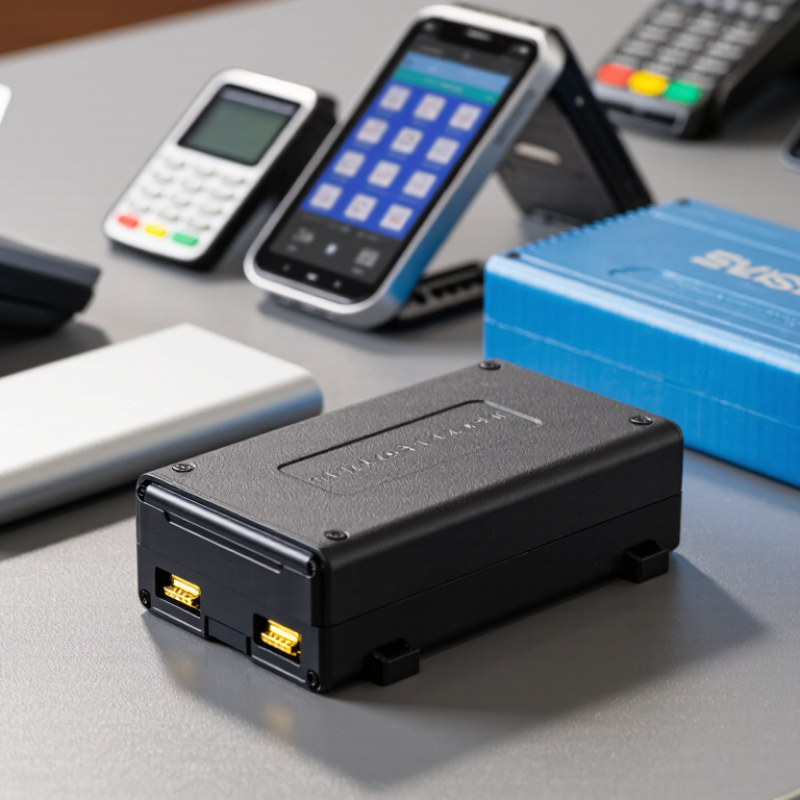
POS Machine Battery Basics and Their Role in Payment Terminals
2026 Best POS Machine Battery Types for Global Buyers
POS machine batteries are rechargeable power sources designed to keep payment terminals working away from wall outlets. Most current devices use lithium-ion or lithium-polymer cells because they offer high energy density and relatively low weight. Nickel-metal hydride batteries still appear in limited applications, but they are less common in compact terminals.
Battery capacity is measured in milliamp-hours, while voltage must match the terminal’s power system. A higher capacity is not always better. It may increase weight, charging time, or heat. Small details matter.
The battery also supports wireless communication, screen brightness, card reading, and receipt printing. Heavy use can drain power much faster than standby operation.
In practical testing, technicians should check charging cycles, connector quality, temperature rise, and protection circuits. Heat changes everything. A reliable battery should include safeguards against overcharging, deep discharge, short circuits, and abnormal temperature. Buyers should also review transport and safety documentation, including applicable testing requirements for rechargeable cells. No specification sheet replaces real usage trials. A terminal used in a busy checkout may behave differently from one tested in an office. I would compare performance across several charging conditions before approving a battery. Even then, battery aging remains difficult to predict. A realistic replacement plan helps prevent unexpected payment interruptions.
Main Battery Types Used in Modern POS Machines
Main Battery Types Used in Modern POS Machines
Lithium-ion batteries remain common in portable POS machines. They offer high energy density, steady output, and reasonable charging speed. In deployment checks, a 3,000–5,000 mAh pack may support a full work shift, depending on screen brightness, wireless use, and receipt printing. Cylindrical and prismatic cells are durable, but their rigid shape can limit device design. Protection circuits are essential. They help control overcharging, overheating, and deep discharge.
Lithium-polymer batteries use flexible pouch cells. Their thin profile fits compact terminals with curved housings and large touchscreens. They can provide similar energy density to lithium-ion cells, although swelling becomes a serious maintenance concern. Poor charging habits, high temperatures, or physical damage may shorten service life. Technicians should inspect the battery casing, charging port, and operating temperature during routine checks. Small details matter.
Lithium iron phosphate batteries appear in selected rugged or frequently used payment terminals. They usually provide strong thermal stability and long cycle life, but their energy density is lower. Older POS equipment may use nickel-metal hydride packs, though these are heavier and less common today. Some systems also include small primary cells for memory backup, not daily operation. Battery choice should match daily transaction volume, charging access, repair policy, and transport requirements. A larger capacity is not always better. It may add weight, cost, and charging time. Field measurements can reveal that real usage differs from the manufacturer’s estimate.
Regional Standards and Global Buying Considerations
2026 Best POS Machine Battery Types for Global Buyers
Regional Standards and Global Buying Considerations
Lithium-ion batteries remain common in portable POS machines because they balance capacity, weight, and recharge speed. Lithium-polymer packs support slimmer designs, but their flexible construction demands careful protection and assembly. Nickel-metal hydride batteries are less energy-dense, yet they may suit buyers prioritizing simpler recycling and stable performance.
Standards vary. Buyers should check the destination market, not only the battery datasheet. Lithium batteries may require UN 38.3 transport testing and IEC 62133 safety evaluation. The complete POS device may also need regional electrical, radio, and environmental approvals. Requirements can differ across the European Union, North America, the Middle East, and Asia-Pacific. Local importers should confirm current documentation with qualified testing laboratories.
Field testing deserves more attention than impressive capacity figures. Measure battery runtime during receipt printing, wireless communication, screen brightness, and standby periods. Test cold starts, charging temperature, and at least several hundred charging cycles. A removable pack can simplify servicing, but its connector may loosen under heavy daily use. Sealed batteries improve enclosure design, though replacement becomes slower and more expensive. This trade-off is often underestimated.
Capacity labels are not always perfectly comparable. Different testing conditions can produce different results. Ask for protection-circuit details, cell traceability, aging data, and sample reports. Then test production samples, not only prototypes. Procurement decisions should leave room for mistakes, because regional compliance files and real warehouse conditions rarely match perfectly.
Selecting the Right POS Machine Battery for Your Application
2026 Best POS Machine Battery Types for Global Buyers
Selecting the right POS machine battery starts with the working environment, not the battery label.
A busy checkout counter may need a compact lithium-ion pack with high energy density. A mobile payment terminal may require a lighter lithium-polymer design. For demanding kiosks, lithium iron phosphate can offer stronger thermal stability and a longer service cycle.
Heat matters. A battery used beside a sunny window can age faster than laboratory figures suggest.
In field testing, I check operating hours, charging frequency, standby drain, and replacement access. I also inspect the protection circuit, cell matching, connector strength, and charging temperature.
A battery with greater capacity is not always better. It may increase weight, charging time, and enclosure stress.
Measure twice. Confirm the terminal’s voltage range and charging profile from technical documentation. Never rely only on a seller’s capacity claim.
Global buyers should compare cycle-life data, safety test reports, transport documentation, and production traceability. Local service conditions matter too. In humid stores, sealing and corrosion resistance deserve attention. In cold regions, available capacity may fall noticeably.
I once selected a high-capacity pack that performed well initially but became inconveniently heavy during daily use. That mistake changed my evaluation method.
Practical comfort, repair access, and stable supply now receive equal attention. The right choice is the battery that fits the terminal, operator, climate, and service plan.