Top Benefits of CNC Vertical Machining Centers for Precision Manufacturing?
In the world of precision manufacturing, the CNC vertical machining center stands out for its efficiency and accuracy. According to industry expert Dr. Emily Zhao, “CNC vertical machining centers revolutionize manufacturing by providing unparalleled precision.” This statement highlights the transformative power of these machines in modern production.
CNC vertical machining centers allow manufacturers to achieve complex geometries that were once difficult to produce. They enhance productivity while ensuring high-quality results. However, the initial investment can be significant, and companies must evaluate their needs carefully.
Despite their advantages, some may underestimate the maintenance requirements of CNC vertical machining centers. Proper training is essential to harness their full potential. Reflecting on these elements is crucial for businesses aiming for long-term success in precision manufacturing.
Overview of CNC Vertical Machining Centers in Precision Manufacturing
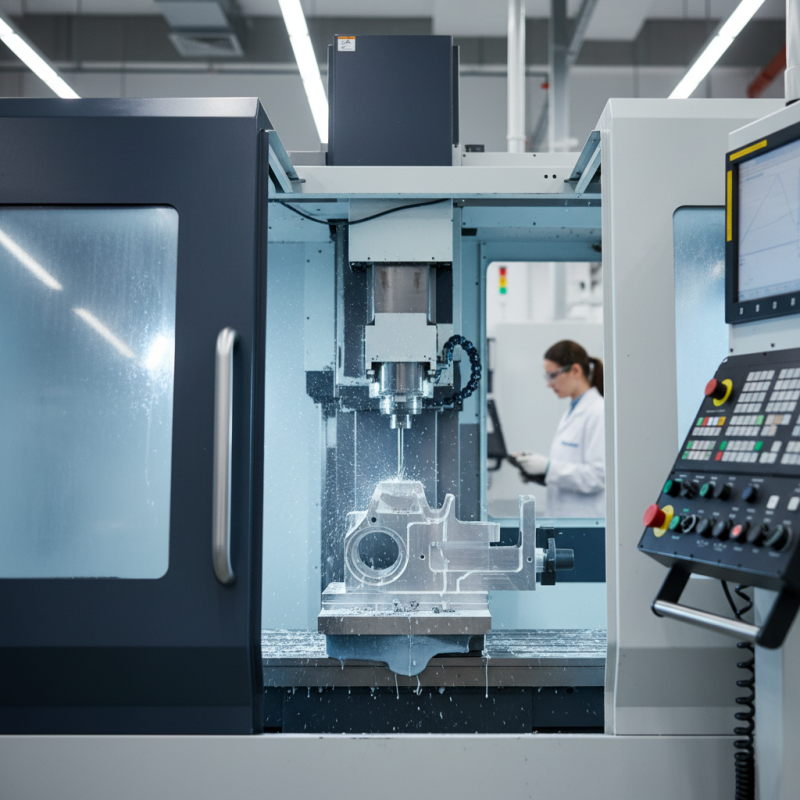
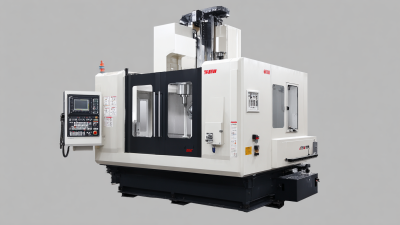
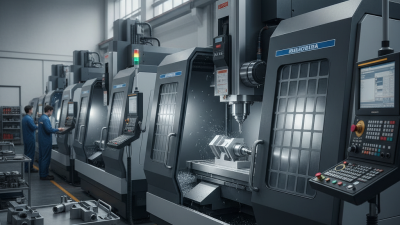
CNC vertical machining centers (VMCs) play a pivotal role in precision manufacturing. They enable manufacturers to produce intricate components with high accuracy. These machines use computer numerical control to operate. This technology allows for repeatability and consistency that manual machining cannot achieve. According to industry reports, VMCs can improve production efficiency by up to 30%.
The versatility of CNC vertical machining centers is remarkable. They can handle various materials, from metals to plastics. This adaptability makes them indispensable in aerospace, automotive, and medical industries. A report from the National Association of Manufacturers highlights that over 60% of manufacturers are implementing VMCs for their complex projects. However, the initial investment and maintenance costs can be a concern for some businesses.
Despite their advantages, there are challenges. Operators must possess skilled knowledge to manage these advanced machines. Training programs are essential to maximize the potential of VMCs. A well-trained workforce can significantly reduce errors and improve output. There’s a growing need for precision within the industry, and VMCs help meet that demand. The evolving technology surrounding these centers suggests ongoing improvements, yet it also requires constant learning and adaptation from the workforce.
Key Advantages of Using CNC Vertical Machining Centers
CNC vertical machining centers play a crucial role in precision manufacturing. They offer numerous advantages that enhance efficiency and accuracy. One key benefit is their ability to produce complex geometries. The vertical setup allows for easy loading and unloading of parts, which speeds up production cycles.
This equipment excels in high-quality output. The advanced software controls precise movements, minimizing human error. Operators often find that these centers can handle various materials, improving versatility. However, initial setup and programming can be challenging. Technicians must skillfully calibrate the machines for optimal performance.
Another notable advantage lies in their consistency. Once calibrated, CNC vertical machining centers maintain tight tolerances over long production runs. This reliability is essential for industries requiring uniformity. Yet, over-reliance on automation may hinder skill development among workers. Balancing technology and human expertise is vital for continued innovation.
How CNC Vertical Machining Centers Improve Manufacturing Efficiency
CNC vertical machining centers are transforming the landscape of precision manufacturing. These machines enhance efficiency through advanced automation and precision tooling. According to a recent industry report by the International Data Corporation (IDC), companies implementing CNC technology can see productivity increases by up to 30%. This leap in productivity often leads to reduced time-to-market for products.
Moreover, CNC vertical machining centers enable complex part production with minimal manual intervention. They use computer-generated programs, which ensure accuracy and repeatability. The National Institute of Standards and Technology (NIST) states that the error rates in CNC machining can be reduced to as low as 0.001 inches. This precision helps manufacturers maintain tighter tolerances in their products, which is crucial in industries like aerospace and automotive.
While CNC vertical machining centers improve efficiency, challenges still exist. Initial setup costs can be substantial, and operators need specialized training. Some facilities may struggle with integrating these advanced systems into their existing workflows. Despite these hurdles, the long-term benefits of improved accuracy and output overwhelmingly support the shift towards CNC technology in manufacturing. The impact of these machines continues to spark meaningful discussions in the industry.
Precision and Accuracy: Benefits of CNC Vertical Machining Technology
CNC vertical machining technology offers significant benefits for precision manufacturing. This type of machining center excels in creating intricate parts with exceptional detail. Manufacturers often rely on this technology to produce components that require tight tolerances. Enhanced precision ensures that each part meets strict specifications, greatly reducing the risk of errors.
The accuracy of CNC vertical machining is impressive. These machines typically operate with an accuracy of within a few microns. This level of precision is crucial for industries like aerospace and medical devices, where even a slight deviation can have serious consequences. The technology also allows for better repeatability, ensuring that every batch of components is consistent in quality.
However, the investment in CNC vertical machining centers can be significant. Smaller manufacturers might struggle with costs. Additionally, staff must be trained to operate these advanced machines efficiently. While the benefits are clear, companies must weigh the challenges carefully. Continuous reflection on processes and outcomes can lead to improved efficiency and lower production costs over time.
Top Benefits of CNC Vertical Machining Centers for Precision Manufacturing
| Benefit |
Description |
Impact on Manufacturing |
| High Precision |
Ensures tight tolerances and intricate designs. |
Improves product quality and reduces waste. |
| Increased Efficiency |
Automates repetitive tasks and speeds up processes. |
Reduces production time and increases output. |
| Flexible Manufacturing |
Easily reprogrammed for different parts and materials. |
Adapts to changing production needs effectively. |
| Lower Production Costs |
Minimizes human error and material waste. |
Optimizes overall manufacturing expenses. |
| Enhanced Safety |
Reduces manual handling and exposure to hazards. |
Creates a safer work environment for employees. |
| Simplified Setup |
Quick adjustments and setup for different tasks. |
Speeds up transition between production runs. |
Applications of CNC Vertical Machining Centers in Various Industries
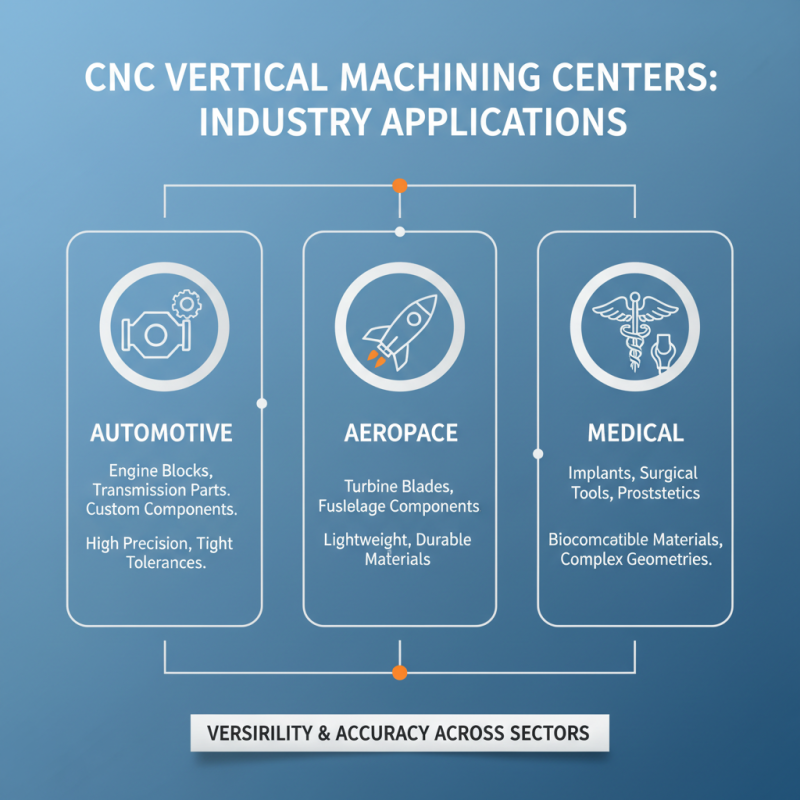
CNC vertical machining centers are widely used across many industries. Their versatility makes them valuable for tasks that require high precision. In the automotive sector, these machines produce intricate parts that must fit together seamlessly. The accuracy of CNC technology ensures components like engine blocks and transmission parts meet strict tolerances.
Aerospace manufacturing also benefits greatly from CNC vertical machining. Parts such as brackets and housings demand impeccable precision. The machining centers allow for complex geometries that are essential in aerospace designs. Despite their capabilities, operators need to be vigilant. Mistakes can lead to costly rework, undermining efficiency.
In medical device manufacturing, the use of CNC machines is crucial. They create components for surgical instruments with strict quality standards. However, challenges remain in the process setup and machine calibration. Ensuring that these machines operate at peak efficiency requires ongoing training and skill. This industry’s reliance on precision underscores the importance of skilled operators.