Top 10 Benefits of Using Stainless Steel Chains for Your Business?
In the competitive landscape of modern business, the choice of materials can significantly impact operational efficiency and product quality. Stainless steel chains have emerged as an essential component across many industries, known for their durability and resilience. According to a report by Grand View Research, the global stainless steel market size was valued at USD 120.9 billion in 2020 and is expected to grow. This trend reflects an increasing preference for materials that balance strength and corrosion resistance.
Businesses leveraging stainless steel chains benefit from their remarkable longevity. They resist rust and wear, reducing repair costs over time. The International Stainless Steel Forum states that stainless steel's recycling rate is over 90%, emphasizing sustainability. In sectors such as automotive and construction, these chains enhance reliability and decrease downtime. However, some companies may overlook the initial investment costs associated with stainless steel.
Understanding the benefits and challenges of stainless steel chains is vital for informed decision-making. Balancing immediate expenses with long-term advantages can lead to strategic growth. As industries evolve, embracing durable and sustainable materials like stainless steel chains can be a game-changer.
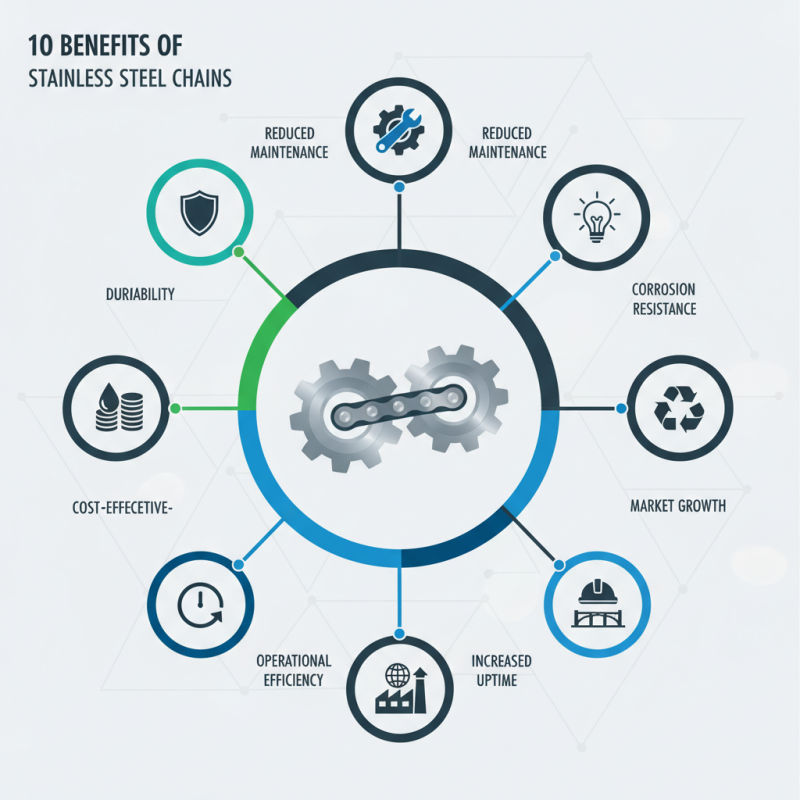
Advantages of Corrosion Resistance in Stainless Steel Chains
Stainless steel chains offer significant advantages, especially in their corrosion resistance. This property makes them ideal for various industries, from food processing to marine applications. Unlike regular steel, stainless steel contains chromium, which forms a protective layer. This layer prevents rust and degradation when exposed to moisture or chemicals. Businesses that utilize these chains often see increased lifespan and reduced maintenance costs.
Corrosion resistance is crucial for maintaining equipment safety and efficiency. Regular chains can corrode, leading to failures and costly downtime. Choosing stainless steel minimizes these risks. Additionally, the aesthetic appeal of stainless steel can enhance a business’s image. It reflects a commitment to quality and efficiency. However, it’s important to recognize that stainless steel is not completely immune to corrosion. Poor maintenance or exposure to extreme environments may still lead to issues. Understanding these limitations is key for any business relying on stainless steel chains.
Durability and Longevity of Stainless Steel Chains in Various Industries
Stainless steel chains are essential in various industries due to their remarkable durability and longevity. They outperform other materials in challenging environments. According to a report by the International Stainless Steel Forum, stainless steel can last over 50 years, significantly reducing replacement costs. Industries like automotive and manufacturing benefit from this longevity, as it minimizes downtime.
Stainless steel chains resist corrosion, which is vital in sectors such as food processing and marine. A case study from the Food Industry Research also found that switching from plastic to stainless steel chains resulted in a 30% reduction in maintenance costs. These chains maintain their integrity under harsh conditions. Yet, not every stainless steel chain is equal. Variations in quality can lead to unexpected failures if not carefully selected.
While the benefits seem clear, companies should assess their specific needs. Not all applications require high-grade stainless steel. Sometimes, a balance between cost and durability is needed. This critical evaluation can prevent overspending and maximize efficiency. It’s essential to consider the chain’s intended use and environmental factors before making a decision.
Top 10 Benefits of Using Stainless Steel Chains for Your Business
| Benefit | Description | Applicable Industries |
| Durability | Stainless steel chains resist wear and tear, leading to longer service life. | Manufacturing, Logistics |
| Corrosion Resistance | Highly resistant to rust and degradation in harsh environments. | Marine, Food Processing |
| Low Maintenance | Require minimal upkeep compared to other materials. | Manufacturing, Automotive |
| Safety | Non-toxic and safe for use in food-related applications. | Food Industry, Pharmaceuticals |
| Aesthetic Appeal | Sleek appearance that enhances the overall look of products. | Retail, Design |
| Resilience to Temperature | Performs well under extreme heat or cold without losing integrity. | Oil & Gas, Aerospace |
| Versatility | Can be used in a variety of applications across multiple sectors. | Construction, Agriculture |
| Improved Efficiency | Less friction and smoother operation increase productivity. | Manufacturing, Logistics |
| Recyclability | 100% recyclable, contributing to sustainable practices. | General Industry, Environmental |
| Cost-effectiveness | Longer lifespan reduces the overall cost of ownership. | Various Industries |
Cost-Effectiveness of Stainless Steel Chains Over Time
Stainless steel chains offer significant cost-effectiveness for businesses over time. Their durability reduces the need for frequent replacements. Unlike other materials, stainless steel chains resist rust and corrosion. This quality means less maintenance is needed, saving time and resources.
Investing in stainless steel chains can lead to long-term savings. Initial costs may be higher than alternatives, but their lifespan compensates for this. Businesses report fewer breakdowns and downtime. Such reliability translates to a smoother operation and improved productivity.
However, it’s important to evaluate whether stainless steel chains fit your specific needs. Some industries might require different materials. Regular assessments can identify when changes are necessary. Maintaining a balance between cost and functionality is crucial for success.
Cost-Effectiveness of Stainless Steel Chains Over Time
This chart illustrates the declining costs associated with the use of stainless steel chains over a five-year period, including both the initial purchase cost and ongoing maintenance costs. It highlights the long-term cost-effectiveness of investing in stainless steel chains for businesses.
Versatility of Stainless Steel Chains for Different Applications
Stainless steel chains offer remarkable versatility across various industries. They are widely used in manufacturing, construction, and food processing. According to a recent industry report, the demand for stainless steel chains is projected to grow by 5.5% annually. This growth reflects their adaptability to different applications.
In manufacturing, stainless steel chains handle heavy loads and resist corrosion. In the food sector, they meet hygiene standards while ensuring strength. The food safety regulations have pushed many companies to switch to stainless steel due to its non-reactive properties. However, not all stainless steel chains are the same. The quality varies significantly between manufacturers and specific grades.
Despite their benefits, some challenges exist. For instance, maintaining these chains can be time-consuming. Additionally, while they are durable, they are not immune to wear and tear. Regular inspections are crucial to ensure they perform optimally. It’s a balancing act between durability and maintenance needs that businesses must navigate. Embracing stainless steel chains eventually leads to operational efficiencies, but only with careful management.
Safety and Reliability Features of Stainless Steel Chains in Operations
Stainless steel chains offer significant safety and reliability features in various operational settings. Their corrosion resistance is a vital advantage, especially in industries like food processing and pharmaceuticals. According to a report by the International Stainless Steel Forum, over 60% of stainless steel applications are in environments prone to moisture or corrosive elements. This characteristic allows these chains to maintain structural integrity even in harsh conditions.
Another compelling feature is durability. Stainless steel chains outperform traditional materials in load-bearing capacities and fatigue resistance. The Machinery Maintenance and Reliability study indicates that stainless steel chains can provide up to 50% longer service life compared to other materials. This longevity reduces the frequency of replacement, thus minimizing downtime and maintenance costs, which can be critical in fast-paced industrial environments.
However, potential drawbacks exist. The initial investment for stainless steel chains can be higher than other materials. Businesses must evaluate the long-term benefits versus upfront costs. Some companies may overlook this evaluation. By understanding the total cost of ownership, including durability and maintenance savings, businesses can make informed decisions to enhance operational safety and reliability.