
Packaging lines are changing quickly. Labor shortages, shorter production runs, and stricter delivery schedules are pushing converters toward smarter automation. An Automatic Feeding Gluing Machine can feed, fold, and glue cartons with impressive consistency. It can also expose weak settings immediately.
Smithers’ The Future of Global Packaging to 2028 report identifies continued packaging growth, especially in e-commerce, food, pharmaceutical, and consumer-goods applications. Its analysis reinforces a practical point: higher output means little without stable quality. PMMI’s industry reports also highlight workforce pressure and the growing demand for connected packaging equipment. These findings matter when buyers compare feeding accuracy, changeover time, glue control, safety functions, and after-sales support.
Sean Smyth, a packaging industry consultant and author at Smithers, has stated, “Automation only creates value when the process around it is controlled.” That warning deserves attention. A fast machine cannot correct warped board, poor adhesive selection, or inconsistent operator training.
Not every buyer needs the most expensive model.
This guide reviews ten Automatic Feeding Gluing Machine options for global buyers. It considers realistic factory details, including dusty floors, mixed carton sizes, voltage differences, and limited maintenance teams. Performance claims still require verification. Some supplier data may look attractive but lack independent testing.
The strongest choice is not always the fastest one. It is the machine that matches your materials, workforce, order profile, and service expectations. That distinction can protect production budgets and prevent costly downtime across international operations.
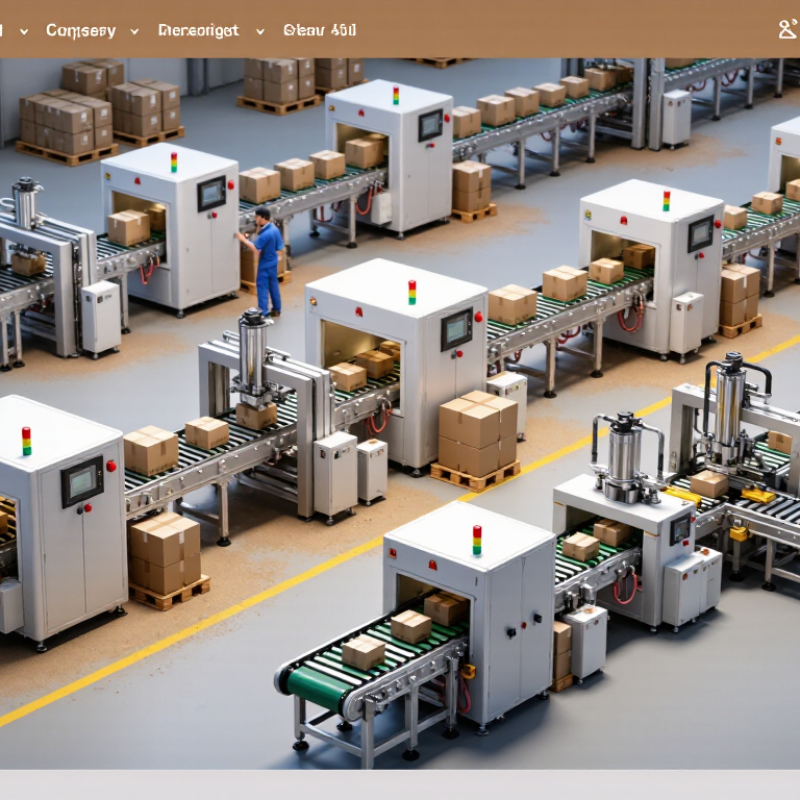
Automatic feeding gluing machines combine sheet feeding, adhesive application, folding, and pressing in one production line. They serve cartons, envelopes, folders, and similar paperboard products. A feeder separates flat blanks with vacuum belts or friction rollers. Sensors check each blank’s position before it enters the gluing section. This basic check prevents many jams. Not every blank behaves perfectly.
Inside the machine, adjustable nozzles or wheels apply a measured adhesive line to selected panels. Folding rails bend the blank along pre-creased scores. Pressure belts hold the folded piece while the adhesive sets. Depending on the material, operators may use water-based, hot-melt, or other approved adhesives. Temperature, viscosity, speed, and drying time must match the substrate. A fast line can still create weak seams when settings are rushed. Experienced technicians inspect glue width, flap alignment, and bond strength during trial runs.
For global buyers, important specifications include blank size, feeding range, output rate, changeover time, power requirements, and compatible board thickness. Request sample testing with your actual materials. Paper dust can affect sensors and adhesive accuracy, so cleaning and calibration need a written schedule. Guards, emergency stops, and electrical compliance should be verified before installation. Remote support helps, but clear manuals and accessible spare parts matter more than attractive claims. Production trials often reveal tiny setup differences. That detail deserves attention.
The best automatic feeding gluing machines combine stable feeding, accurate glue control, and simple changeovers. Grand View Research valued the global packaging machinery market at approximately USD 52.8 billion in 2023. Its forecast also indicates continued growth through 2030. This expansion reflects stronger demand for faster, more flexible packaging lines.
Feeder consistency matters first. Servo-driven feeding can reduce skewed cartons and maintain steady spacing. Operators should also examine glue temperature control, nozzle response, and inspection sensors. A machine may run quickly, yet waste increases when adhesive patterns drift. Tool-free adjustments, recipe storage, and remote diagnostics can shorten setup time. PMMI’s 2024 State of the Industry Report identifies labor availability and automation investment as important packaging challenges. Therefore, clear controls are not optional. They protect production quality when experienced operators are unavailable.
Tips: Test the machine with your actual carton board, not only sample material. Measure setup time, glue consumption, reject rates, and cleaning effort. Ask for documented throughput at your required carton size. A high-speed claim can be misleading. Consider maintenance access too. In one evaluation, a compact design looked efficient, but restricted nozzle access made daily cleaning slower. That weakness was easy to miss. The best choice balances speed, precision, safety features, and practical serviceability.
| Rank | Machine Configuration | Best Application | Typical Output | Compatible Board Range | Supported Box Styles | Feeding System | Glue System | Key Differentiator | Recommended Buyer Profile |
|---|---|---|---|---|---|---|---|---|---|
| 1 | High-Speed Straight-Line Folder Gluer | Large-volume folding carton production | 120–300 m/min | 250–600 g/m² paperboard | Straight-line cartons, crash-lock bottoms | Continuous friction or vacuum belt feeding | Cold-glue disc or nozzle application | High throughput with stable box squaring | Industrial packaging plants with long production runs |
| 2 | Servo-Controlled Multi-Point Folder Gluer | Complex cartons requiring accurate folding | 100–250 m/min | 250–700 g/m² paperboard | Four-corner, six-corner, multi-panel cartons | Servo-driven automatic feeding section | Programmable cold-glue nozzles | Independent servo adjustment for difficult folds | Converters serving cosmetics, pharmaceutical, and premium retail sectors |
| 3 | Crash-Lock Bottom Folder Gluer | Ready-to-use cartons with automatic bottom locking | 100–220 m/min | 300–800 g/m² paperboard | Crash-lock bottom, auto-bottom, four-corner cartons | Automatic pile feeder with pre-feeding alignment | Cold-glue disc, nozzle, or combination system | Reduces manual bottom forming and packing labor | Food, beverage, household, and e-commerce packaging producers |
| 4 | Small-Format Carton Folder Gluer | Compact cartons and short-run production | 80–180 m/min | 200–500 g/m² paperboard | Small straight-line and tuck-end cartons | Low-vibration belt feeder with side guides | Adjustable cold-glue application | Fast changeover for narrow and small blanks | Regional printers and manufacturers with varied SKU requirements |
| 5 | Large-Format Folder Gluer | Oversized cartons and heavy paperboard packaging | 60–160 m/min | 350–1,000 g/m² paperboard | Large straight-line cartons, trays, industrial sleeves | Heavy-duty vacuum or belt feeding | High-capacity cold-glue reservoir and nozzles | High belt load capacity and wide working format | Industrial packaging and export-carton manufacturers |
| 6 | Window-Patch and Folder Gluer Line | Cartons with transparent film windows | 60–150 m/min | 250–700 g/m² paperboard | Window cartons, display boxes, premium folding cartons | Automatic feeder with registration alignment | Hot-melt or water-based adhesive system | Integrated patching and folding in one workflow | Food, bakery, gift, and premium consumer-goods packaging producers |
| 7 | Paper Bag and Handle Gluing System | Flat paper bags and handle-attached packaging | 40–120 bags/min | 80–200 g/m² kraft or coated paper | Shopping bags, gift bags, flat-bottom bags | Roll-to-sheet or sheet-fed automatic feeding | Hot-melt, cold glue, or water-based adhesive | Combines side-seam, bottom, and handle gluing | Paper-bag producers replacing manual assembly processes |
| 8 | Corrugated Small-Box Folder Gluer | Micro-flute and light corrugated packaging | 80–180 m/min | E, F, and B flute corrugated board | Mailer boxes, shipping boxes, display trays | Vacuum-assisted feeding with anti-slip belts | Cold-glue nozzle or wheel application | Handles thicker board while protecting printed surfaces | E-commerce, subscription-box, and display-packaging suppliers |
| 9 | Modular Automatic Folder Gluer | Flexible production across multiple carton styles | 80–220 m/min | 200–800 g/m² paperboard | Straight-line, lock-bottom, sleeve, and multi-panel cartons | Servo feeder with programmable setup recipes | Interchangeable cold-glue and hot-melt modules | Expandable layout for changing product requirements | Contract packagers and exporters with diverse customer orders |
| 10 | Compact Automatic Folder Gluer with Inspection | Space-efficient production with quality control | 60–140 m/min | 200–600 g/m² paperboard | Straight-line cartons, sleeves, small retail boxes | Automatic friction feeder with sensor-based alignment | Cold-glue system with adhesive-presence monitoring | Combines compact footprint with reject detection | Small and medium-sized printers prioritizing consistent quality |
| Performance figures are typical operating ranges for comparable automatic feeding gluing machine configurations. Actual output depends on carton design, board quality, adhesive type, blank size, operator setup, and production conditions. | |||||||||
Selecting an automatic feeding gluing machine starts with the material, not the advertised speed. Measure your carton size, board thickness, folding pattern, and daily production volume. A machine running 300 meters per minute may underperform if its feeder struggles with warped sheets. Test the machine.
During evaluation, inspect feeding accuracy at both low and high speeds. Check glue application width, pressure stability, and curing time. Ask for sample results using your actual paperboard. Small glue skips can cause rejected cartons, especially around narrow flaps. Tool-free adjustments can also reduce changeover time, but they should not replace proper operator training.
Reliability depends on more than motor power. Review service access, spare-part availability, safety guarding, and operating manuals in a language your team understands. For global buyers, confirm electrical standards, voltage compatibility, documentation, and local installation support before payment. Request noise, energy-use, and maintenance data from verified test conditions. Figures without test methods deserve caution.
A practical comparison sheet should record output, waste rate, setup time, glue consumption, and fault frequency. Include operator feedback. It often reveals awkward controls or difficult cleaning points. A perfect scorecard is unrealistic. One overlooked detail can affect the whole line. Leave room for future products, because today’s carton range may not match next year’s orders.
Top 10 Automatic Feeding Gluing Machines for Global Buyers should be judged by workflow, not catalog ranking.
The best options support carton, folder, envelope, or specialty packaging production. Look for stable automatic feeding, accurate folding, and consistent glue placement. A useful machine should maintain alignment when speed increases. It should also handle different board thicknesses without lengthy adjustments. Clear control panels help operators work confidently across language barriers. Safety guards, emergency stops, and accessible maintenance points are equally important.
Global buyers should compare feeding capacity, glue system design, power requirements, and spare-part availability. Servo-controlled models often provide precise movement, while simpler systems may reduce purchase costs. Ask for sample testing with your actual materials. Small changes in paper stiffness can affect feeding performance. Do not trust speed figures alone. Real output depends on setup time, operator skill, glue viscosity, and folding accuracy. A machine may look impressive during a demonstration, yet perform differently in a dusty workshop. This is worth questioning.
Tips: Check finished samples, not only machine specifications. Confirm voltage compatibility and training support before purchase. Request a maintenance schedule with practical photographs. Leave space around the machine for cleaning and adjustments. If possible, test recycled board, because it can feed unevenly. A short trial can reveal more than a long brochure.
Before ordering an automatic feeding gluing machine, confirm the carton size range, material thickness, production speed, and available floor space. A machine that fits one box format may struggle with another. Request installation drawings, utility requirements, and a complete spare-parts list. Check voltage, frequency, compressed-air pressure, and plug standards with your local technician. Small mismatches can delay commissioning for weeks.
Installation should follow a measured sequence. Level the frame, align the feeder, and test glue application with sample cartons. Keep at least one meter around service panels for safe access. Operators should learn sensor adjustment, belt tracking, glue temperature control, and emergency stopping procedures. During acceptance testing, record speed, feeding accuracy, glue width, and waste levels. Do not trust a promising demonstration alone. Real packaging materials may behave differently.
Maintenance is more than cleaning visible glue. Remove adhesive residue from rollers and nozzles after each shift. Inspect belts, bearings, sensors, and pneumatic lines weekly. Store temperature-sensitive adhesive according to its technical sheet. International buyers should also verify documentation, warranty limits, remote support hours, customs classification, and local conformity requirements. Ask who pays for damaged parts during transport. A written answer matters. I have seen buyers focus on purchase price and overlook training, tooling, and installation costs. That decision often becomes expensive. Spare sensors and sealing components are sensible, but buying every optional part is not. Recheck the production forecast before approving them.
Global Buyer Evaluation Weighting: Installation, Maintenance, and International Purchasing Considerations
The chart presents a practical 100-point buyer evaluation model. Throughput, feeding stability, glue control, serviceability, electrical compatibility, spare-parts support, safety compliance, installation assistance, operator training, and total operating cost are key factors when comparing machines across international markets. The percentages are planning weights rather than company or brand performance data.
"*" indicates required fields