
Learn more about how Trevisan’s Horizontal Machining Centers can help you minimize set up time and labor costs.

10 Best Band Sealer Machines for Packaging

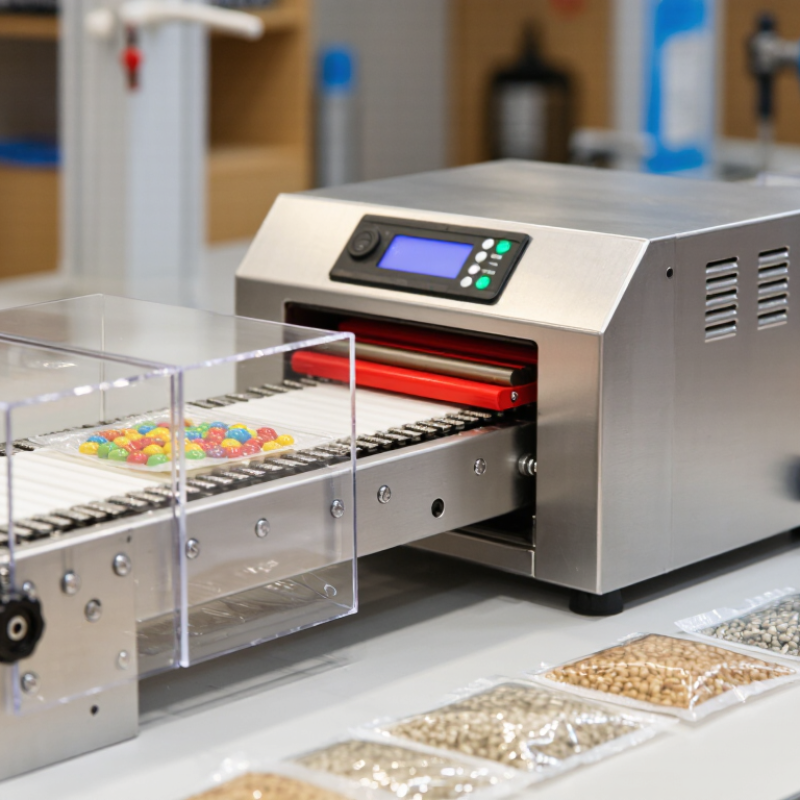
A Band Sealer can turn an open pouch into a consistent, closed package with a moving belt, heated sealing bars, and controlled pressure. Yet the right machine depends on the material, bag size, production pace, and operator. A tabletop model may suit a small workshop; a continuous vertical sealer may better fit taller pouches on a busy line. Real production rarely behaves like a showroom demo.

Packaging educator Walter Soroka describes packaging as “the science, art, and technology of enclosing or protecting products for distribution, storage, sale, and use.” That principle matters when comparing sealers. A clean-looking seal is not enough. Buyers should check temperature control, belt speed, seal width, supported film types, and whether the machine can handle their actual filled bags. Ask for a sample run. Watch the pouch travel through the machine. Then inspect the seal after cooling.

Small details count. A wrinkled edge, uneven pressure, or awkward control panel can slow a shift. And specifications can be incomplete. This guide compares 10 Band Sealer machines by practical features, likely applications, and points worth verifying with the supplier. It is a starting point, not a substitute for testing your own packaging.
10 Best Band Sealer Machines for Packaging

What Band Sealer Machines Are and How They Work

A band sealer closes bags continuously as conveyor belts guide each package through heated sealing elements. Heat softens the thermoplastic film, while pressure brings the layers together. A cooling section then helps the seal set. The operator adjusts temperature, belt speed, and pressure to suit the film and bag thickness. Too much heat can wrinkle or burn a pouch. Too little may leave a weak seam. Small adjustments matter.

The process suits steady production because bags move through the machine rather than stopping for each seal. Fortune Business Insights’ 2023 packaging machinery market report estimated the global market at US$45.54 billion, with growth projected through 2030. That broad figure covers many types of packaging equipment, not band sealers alone. Still, it reflects continuing investment in packaging operations. A busy line also needs consistent seal checks; machine settings alone cannot prove every package is sound.

Tips: Start with a short test run. Check the seam for gaps, folds, or easy peeling, then change one setting at a time. Record the film type and working settings. It sounds fussy, but it can save material. Recheck after a film-roll change, since thickness and surface finish can vary.

Band Sealer Machines: Typical Heat-Sealing Temperature Ranges

Indicative starting ranges for common heat-sealable packaging films. Actual settings depend on film construction, thickness, line speed, and machine calibration.

Band sealers apply controlled heat and pressure as the bag passes between heated sealing belts. Always confirm the recommended sealing window with the film supplier and test the seal on the actual packaging material.

Key Features to Compare When Choosing a Band Sealer

When comparing band sealers, start with the packages you actually run: film type, bag thickness, width, and daily volume. A machine that seals thin pouches neatly may struggle with heavier laminated bags. Check the adjustable temperature range and how steadily it holds heat. Small swings can leave seals wrinkled or weak. Test samples.

Conveyor speed matters, but faster is not always better. Compare the sealing width, belt capacity, and controls for temperature and speed. If operators change bag sizes often, clear settings and simple adjustments can reduce setup errors.

Look for accessible belts and heating parts, plus cleaning instructions and available maintenance support. These details affect downtime, not just the purchase price. Also check the machine’s footprint and power requirements against your actual work area.

One easy mistake is choosing by output claims alone. Real throughput depends on bag handling, cooling time, and the person feeding the line. There is no perfect setting for every film.

Run representative samples, inspect the seals after cooling, and record the settings that work. A short test can reveal issues a specification sheet misses.

10 Best Band Sealer Machines for Packaging

Choosing among the 10 best band sealer machines for packaging starts with the bag, not the machine. A horizontal unit suits stable, flat pouches; a vertical model helps when products might spill. Continuous-band sealers are useful for steady production, while compact tabletop models fit short runs. Check the film’s sealing range, conveyor load, speed control, and available seal width. Small details matter. A narrow seal may fail on a dusty pouch.

The OECD’s Global Plastics Outlook reports that packaging generated about 40% of plastic waste in 2019. That figure makes material compatibility worth checking before purchase: a sealer should reliably close the actual film structure your operation uses, including any recyclable formats under evaluation. Eurostat reported 186.5 kilograms of packaging waste per EU resident in 2022. These figures describe a broader waste challenge; they do not prove that a particular machine reduces waste.

For a practical comparison, run the same filled pouches through each candidate at several speeds. Inspect seal continuity, wrinkles, and leakage after cooling, then record temperature and belt settings. Ask about cleaning access, spare heating elements, and operator training. A printed batch code can also help trace production. I would not trust a neat-looking seam alone. Seal quality can change with film thickness, product residue, and heat drift, so leave room for retesting.

Which Band Sealer Fits Different Packaging Needs

Choosing among the 10 best band sealer machines starts with the package, not the headline speed. Grand View Research’s Packaging Machinery Market Size, Share & Trends Analysis Report estimated the global market at USD 45.5 billion in 2023 and projected 5.5% annual growth through 2030. That broad market forecast signals investment, but it does not prove one sealer suits every line. Keep that distinction clear. For short runs, a tabletop machine may handle pouches without taking much floor space. Busy lines often need a conveyor model with adjustable speed and stable belt tracking. Test the actual film. Laminated foil, kraft, and polyethylene can respond differently to heat and pressure.

Thin pouches need precise temperature control and enough cooling time; scorched edges waste material. Thick or gusseted bags may require more pressure, wider sealing bands, or vertical feeding to keep contents below the seam. Check whether operators can adjust settings quickly. Small details matter. If packages need lot codes, confirm coder fit and print position before buying. PMMI’s 2024 packaging operations research discusses automation and labor pressures; use those findings to assess uptime and changeover needs, rather than simply choosing the most automated unit. Run a timed trial with your filled packages. I would not rely on a brochure test alone. Record leaks, wrinkles, and seal consistency across repeated runs.

10 Best Band Sealer Machines for Packaging — Which Band Sealer Fits Different Packaging Needs?
Sealer Type Bag Orientation Typical Line Speed Suitable Packaging Key Advantages Considerations Best Fit
Compact tabletop band sealer Horizontal Typically up to about 0–12 m/min; varies by model Small, lightweight bags made from compatible heat-sealable films Small footprint; useful for short runs and workbenches Limited conveyor capacity and production scalability Start-ups, samples, and low-volume packing
Standard horizontal continuous band sealer Horizontal Typically about 0–12 m/min; varies by model Flat pouches and bags with a clear, sealable top edge Continuous operation; straightforward to load and operate Packages must be supported and presented consistently General-purpose small and medium production
Vertical continuous band sealer Vertical Typically about 0–12 m/min; varies by model Powders, granules, or other contents that are easier to keep below the seal area Helps reduce product spill into the sealing zone Bag support and fill height need to suit the machine setup Food, agricultural, and industrial products in upright bags
Adjustable-height stand-mounted band sealer Horizontal or vertical, depending on setup Typically about 0–12 m/min; varies by model Different bag sizes and formats within the machine’s adjustment range Flexible working height and orientation; mobile stands may be available Changeovers require adjustment and setup checks Facilities handling varied products or bag sizes
Band sealer with date coder Usually horizontal; vertical versions are also available Typically about 0–12 m/min; coding limits may affect the usable rate Heat-sealable bags requiring a production date, lot code, or similar mark Combines sealing and basic coding in one process Print position, legibility, and code format need validation Packers needing routine traceability information on bags
Band sealer with gas-flush capability Usually horizontal or vertical, depending on design Model-dependent; gas flushing may reduce throughput Compatible bags and products for which modified-atmosphere packaging is appropriate Can introduce an inert gas before sealing when correctly configured Requires gas supply, suitable packaging, and process validation; it does not guarantee a specific shelf life Applications needing controlled package atmosphere
Heavy-duty continuous band sealer Horizontal or vertical, depending on configuration Often selected for extended operation; actual speed is model-specific Frequent production runs and bags within the machine’s film and size limits Designed for sustained use and may offer more robust construction Higher purchase and maintenance requirements than basic units Regular production environments with longer operating shifts
High-speed continuous band sealer Usually horizontal, with suitable infeed and outfeed handling Some configurations operate above 12 m/min; check the rated specification Consistent bags compatible with the sealing system and line layout Can support higher output when feeding and handling are well controlled Rated speed depends on bag length, operator or feeder input, and seal requirements Higher-volume lines with a steady supply of prepared bags
Wide-seal band sealer Horizontal or vertical, depending on model Model-dependent; wider seals may require slower settings Applications requiring a wider sealing area than a standard setup provides Offers a broader seal area for selected packaging requirements Confirm film compatibility and the required seal width before purchase Packages whose specifications call for a wider seal
Stainless-steel washdown-style band sealer Horizontal or vertical, depending on configuration Model-dependent Packaging operations with defined hygiene or cleaning requirements Stainless-steel construction can suit some cleaning-intensive environments “Washdown” suitability depends on the machine’s stated ingress protection and cleaning instructions Food or other facilities that require documented sanitation procedures
Selection note: Speed ranges and features vary by machine design. Confirm bag material, thickness, width, required seal quality, production rate, and any applicable hygiene or compliance requirements with the equipment supplier before purchase.

How to Use and Maintain a Band Sealer Safely

A band sealer combines heated surfaces, moving belts, and electrical power in a compact workspace. Keep fingers clear of the rollers and sealing band during operation. Hot parts stay hot after shutdown. Wait for the unit to cool before cleaning or inspection, and follow its manual for safe temperature and cleaning procedures. Before maintenance, disconnect and isolate power; OSHA’s lockout/tagout standard, 29 CFR 1910.147, addresses hazardous energy during servicing. Never remove or bypass a guard to speed up a job.

Check the power cord, belt alignment, guards, and emergency controls before each shift. Wipe away film scraps with a suitable tool, not your fingers. Keep liquids away from electrical parts. If the band tracks unevenly, stop the machine and investigate rather than reaching toward moving components. Small checks matter. The U.S. Bureau of Labor Statistics reported 2.6 million nonfatal workplace injuries and illnesses in private industry for 2023; this figure is not specific to packaging machines, but it shows why routine hazard controls deserve attention. Record defects and repairs, and train operators to report unusual heat, noise, or slipping belts. A checklist can become a ritual, so supervisors should occasionally watch the task and ask what workers actually find difficult.

Scroll to Top
Scroll to Top