Best Cantilever Racking Solutions for Your Business Needs?
In today's competitive market, selecting the right storage solutions is crucial for efficiency and organization. Cantilever Racking has emerged as a top choice for businesses that require versatile and robust storage systems. This specialized racking system excels in handling long, bulky items, making it ideal for industries such as construction, lumber, and manufacturing.
When considering cantilever racking, it is essential to evaluate your specific needs. These systems offer customizable options that can be tailored to fit various products. The right configuration can significantly enhance warehouse space utilization, leading to improved operational workflow. However, challenges may arise if the racking is not properly designed. Overloading or incorrect usage can lead to safety hazards.
Many businesses overlook the importance of professional installation and load assessment. Investing in expert advice can prevent costly mistakes. Reliable cantilever racking solutions can transform your storage capabilities, but only if selected thoughtfully. Balancing functionality, safety, and space can lead to optimal results in your business operations.
Types of Cantilever Racking Systems for Different Industries
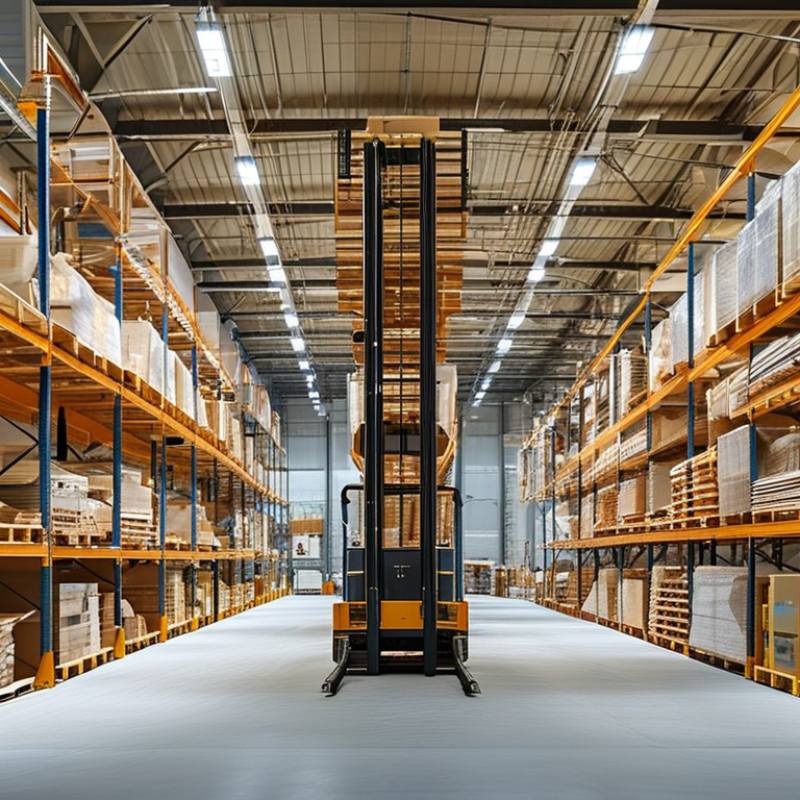
Cantilever racking systems are ideal for storing long or bulky items. These racks provide easy access and maximize vertical space. Different industries can utilize various types of cantilever racking tailored to their specific needs.
In the construction sector, heavy-duty cantilever racks are necessary. They can support large items like lumber, steel pipes, or drywall. These racks often require a robust design to handle heavy loads. Alternatively, the furniture industry benefits from lighter systems. They can display pieces with style and accessibility.
Retail environments also find cantilever racks useful. They display items effectively while ensuring quick access for customers. However, selecting the right system can be challenging. Considerations include weight capacity, material, and layout. This process may require adjustments as business demands change. Regular evaluations can help identify if the existing setup meets current needs.
Key Considerations When Choosing Cantilever Racking Solutions
When choosing cantilever racking solutions, consider your specific storage needs. The type of materials you store will heavily influence your decision. For example, longer items like pipes or lumber require different support than smaller components. Think about weight distribution too. A poorly selected rack can lead to safety issues.
Another crucial factor is space optimization. Measure your warehouse dimensions and consider the height of your ceiling. Too high racks can be dangerous and hard to access. Ensure that the aisles are wide enough for fork trucks to maneuver safely. An overlooked detail can result in accidents or damage.
Lastly, assess the durability of materials used in the racking system. Quality construction ensures it withstands wear and tear over time. Weak racking may necessitate replacements, causing disruptions. Analyze customer reviews for insights into long-term performance. Sometimes, it's better to invest more now than deal with failures later.
Benefits of Using Cantilever Racking for Warehouse Optimization
Cantilever racking is a game-changer for warehouse efficiency. This storage solution allows for easy access to long and bulky items. In a study by the Warehousing and Fulfillment Association, businesses reported a 30% increase in space utilization after implementing cantilever racks. They effectively maximize vertical space, offering more capacity without expanding the footprint.
Using cantilever racking enhances workflow. Employees can find items quicker, reducing time spent searching through inventory. A report by the Material Handling Industry found that businesses experienced a 25% faster retrieval rate for goods stored on cantilever systems. However, improper load distribution can cause stability issues. Regular inspections and training on proper loading techniques are essential to avoid potential mishaps.
Additionally, the adaptability of cantilever racks allows businesses to reconfigure layouts as needs change. This flexibility can support growth without significant investment in new systems. Nonetheless, it's crucial to analyze specific warehouse needs. A one-size-fits-all approach may not yield optimal results. Ensuring that racking solutions align with the unique requirements of the operation can lead to considerable efficiency gains.
Best Cantilever Racking Solutions for Your Business Needs
Installation and Maintenance Tips for Cantilever Racking Systems
Installing cantilever racking systems requires careful planning and execution. Start by choosing an appropriate location. Ensure there is enough space for the racking and easy access for loading and unloading. The ground must be level to provide stability. Make sure to follow the manufacturer's guidelines during installation.
When it comes to maintenance, regular checks are vital. Inspect the racking for rust or structural damage. Use a damp cloth to clean debris that may accumulate. Damaged parts should be replaced promptly to ensure safety.
Storage needs can change over time. Rethink your layout if you notice a decline in efficiency. Employee feedback is crucial. Listen to their insights on the system's usability. This reflection can lead to better organization and optimal use of space.
Best Cantilever Racking Solutions for Your Business Needs
| Feature | Description | Benefits | Maintenance Tips |
| Load Capacity | Designed for heavy items | Maximized storage efficiency | Regularly check weight limits |
| Flexibility | Adjustable arm lengths | Accommodates various sizes | Inspect adjustment mechanisms |
| Material | Heavy-duty steel | Durability and longevity | Clean and repaint as needed |
| Space Optimization | Vertical storage approach | Maximizes vertical space | Maintain clear aisles for access |
| Safety Features | Preventive measures installed | Reduces user injury risk | Regular safety audits |
Cost Analysis: Investing in Cantilever Racking for Your Business
Investing in cantilever racking can significantly enhance your operational efficiency. These systems are particularly suitable for storing long and heavy items. They maximize vertical space, creating a more organized warehouse environment. However, the upfront costs can be significant. It’s essential to analyze your specific needs before making a decision.
A thorough cost analysis entails evaluating both initial expenses and long-term benefits. While purchasing or leasing cantilever racks may require substantial capital, the investment can lead to lower labor costs and improved inventory management. You might need to factor in installation and maintenance expenses, which can add up over time.
Also, consider the types of materials you will store and their potential impact on the racks. Understanding these factors can help optimize your investment. Unexpected challenges, like fluctuating inventory needs, can influence your decision. Take time to plan and reflect on future requirements. Each choice will shape how efficiently your business runs.