7 Best Short Hydraulic Jacks for Global Buyers
Choosing the right Short Hydraulic Jack requires more than comparing lifting capacity and price. Global buyers need equipment that fits real working conditions, not just catalog photographs. A compact jack may slide beneath a low vehicle, yet its saddle height, stroke length, and base stability can determine whether the lift is safe and practical.
This guide examines seven short hydraulic jacks for workshops, garages, roadside service, and industrial maintenance. Each option is considered through measurable details, including minimum height, rated capacity, lifting range, handle design, hydraulic control, and portability. Space matters. A jack that fits inside a crowded service bay can save valuable time. However, a small frame should never encourage lifting beyond the manufacturer’s stated rating.
Practical experience also reveals less visible differences. Weld quality, oil-seal performance, lowering control, and replacement-part availability affect long-term reliability. Buyers in different countries should check product documentation, warranty terms, packaging strength, and applicable safety requirements before ordering. Ratings can mislead. Some manufacturers provide limited testing information, while others clearly identify inspection procedures and intended applications.
The selected models are not presented as perfect solutions. No shortlist is perfect. Vehicle design, climate, road conditions, and maintenance habits can change the final choice. A jack used in a dusty outdoor environment may need more frequent cleaning than one kept on a workshop floor. Careful inspection remains essential, even with reputable brands. This comparison aims to provide dependable guidance, while leaving room for professional judgment and local safety practices.
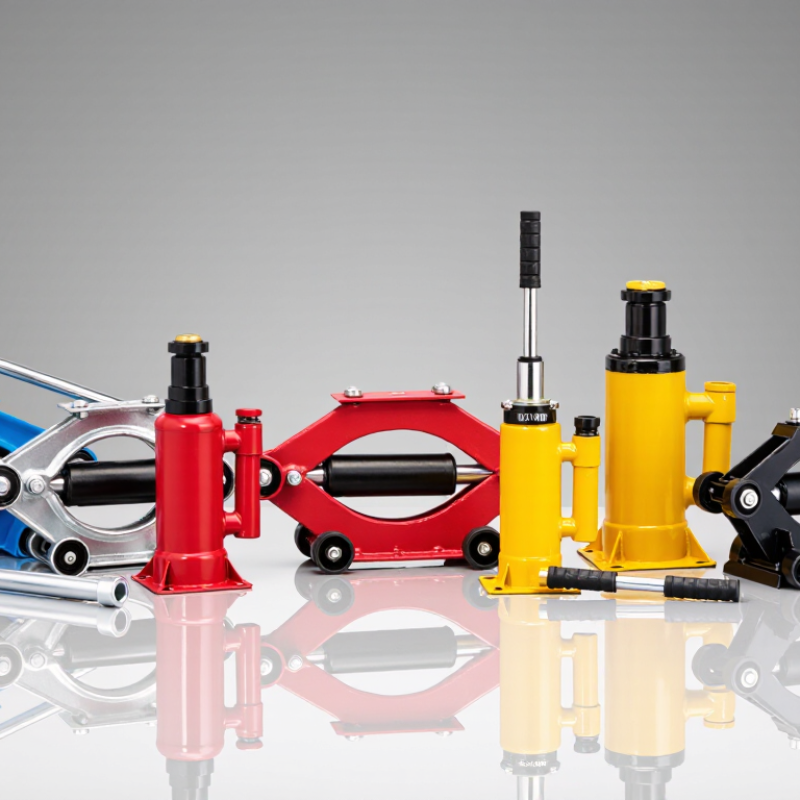
What Defines a Short Hydraulic Jack and Its Main Applications
A short hydraulic jack has a low collapsed height, compact body, and hydraulic lifting mechanism. Its main advantage is access where ordinary jacks cannot fit. Many models measure under 100 millimeters when fully lowered, though dimensions vary by design. The pump handle drives pressurized fluid into a cylinder, raising a saddle against the load. A wide base improves stability on firm, level surfaces. However, a short body does not automatically mean a high lifting capacity.
In practical workshops, these jacks lift vehicles with limited ground clearance, damaged machinery, steel frames, and agricultural equipment. They also assist with bridge maintenance, fabrication alignment, and controlled positioning during repairs. A technician should check the starting clearance, rated capacity, maximum lift, saddle diameter, and release control before choosing one. For example, a 70-millimeter gap may require a very low-profile design, while a 300-millimeter lift may need a taller model or support equipment.
Real use reveals small problems. A handle can strike nearby parts. A narrow saddle may slip on an uneven contact point. Hydraulic oil can also leak after heavy service or poor storage. Never rely on the jack alone; use properly rated stands or supports after lifting. The shortest option is not always the safest option. Load balance, floor condition, and lifting range matter just as much.
How to Compare Jack Capacity, Lift Range, and Compact Dimensions
7 Best Short Hydraulic Jacks for Global Buyers
Choosing a short hydraulic jack starts with capacity, not appearance. Check the vehicle’s recommended lifting points and total load before comparing models. A jack rated above the required load offers a safer working margin, but it must never support a vehicle alone. Use approved stands on firm, level ground.
Lift range matters just as much as capacity. Measure the clearance beneath the jacking point, especially on low cars or commercial vehicles. The saddle must slide underneath without forcing the chassis upward. Its maximum height should reach the intended lifting point with controlled movement. Too little range creates frustration. Too much range may reduce portability.
Compact dimensions need practical checking. Measure the folded handle, base width, and storage height in your service area. A narrow body fits crowded garages, while a wider footprint usually improves stability. Look for a smooth release valve, visible welds, protected hydraulic seals, and clear capacity markings. These details often reveal manufacturing quality.
Short hydraulic jacks are not identical. Some lift quickly but feel less stable near maximum height. Others feel solid but take more pumps. I have seen buyers focus on weight and overlook handle clearance. That mistake becomes obvious beside a wall or tool cabinet. Compare real measurements, not only catalogue claims. Local floor conditions, climate, and maintenance access also deserve attention. No single design wins every situation.
7 Best Short Hydraulic Jacks for Global Buyers
Comparison of representative jack capacities, lifting ranges, and compact dimensions for international purchasing decisions.
Higher capacity supports heavier vehicles, while a lower minimum lift is better for low-clearance applications. Maximum lift indicates working reach, and collapsed height helps buyers evaluate storage and transport efficiency. Specifications are representative metric values for commonly available short hydraulic jack configurations.
Seven Short Hydraulic Jack Options for Different Buyer Needs
Short hydraulic jacks serve different buyers, from roadside drivers to workshop technicians. The right choice depends on lifting height, vehicle clearance, load rating, and storage space.
A compact bottle jack suits emergency kits and small vehicles. It fits beside a spare tire and lifts with limited effort.
A low-profile floor jack works better for sports cars with narrow ground clearance. Its long handle improves control, but its larger frame needs more storage room.
A mini transmission jack supports gearbox removal and installation. It offers useful stability beneath elevated components, though it is not a general-purpose lifting tool.
A short service jack with a wide saddle benefits repair shops handling sedans and light vans. The wider contact area can reduce shifting during positioning. A compact air-hydraulic jack suits busy workshops with an air supply. It saves repeated pumping, but compressed-air systems require maintenance. A portable aluminum jack helps mobile mechanics reduce vehicle weight. It is easier to carry, although some lightweight designs sacrifice durability. A heavy-duty short bottle jack fits agricultural equipment and utility vehicles. Check its closed height carefully before purchase.
Look for tested load ratings, welded seams, smooth release valves, and a stable base. Never rely on hydraulic pressure alone; use properly rated support stands.
Inspect oil leakage, bent handles, and damaged seals before each job. Manufacturer test data deserves more trust than exaggerated marketing claims.
Real conditions can be messier. Uneven ground, cold oil, and awkward lifting points may reduce performance.
I would also question any jack that feels unstable during a slow, unloaded test. Correct saddle alignment matters as much as capacity.
How to Assess Safety Features, Build Quality, and Maintenance
Short hydraulic jacks look simple, but safety depends on details hidden beneath the paint. The U.S. Bureau of Labor Statistics recorded 5,283 fatal work injuries in 2023. That figure covers all occupations, not jacks, but it reinforces a practical lesson: capacity markings cannot replace safe procedures. Check the rated load, saddle shape, base width, overload protection, and controlled lowering valve. A jack should lift only on firm, level ground. Never use hydraulic pressure as a substitute for properly rated support stands.
Build quality becomes visible during inspection. Look for even welds, a straight ram, protected seals, and a handle that locks securely. Pitting on the ram can damage seals quickly. A glossy finish may fool you. ASME B30.1 guidance emphasizes inspection, maintenance, and correct use of portable automotive lifting devices; global buyers should also verify local conformity requirements and supplier test documentation. I would request a traceable load test record, although paperwork alone cannot prove long-term reliability.
Maintenance should be simple enough for a busy workshop. Wipe the ram after dusty work, check oil leaks before each use, and keep the release mechanism clean. Store the jack retracted and protected from moisture. Replace damaged seals promptly. OSHA 1910.244 requires jacks to be inspected regularly and their rated capacity marked clearly. Some manuals remain vague about inspection intervals, which deserves criticism. A short monthly checklist, plus a documented load test after repair, is safer than guessing.