How to Build a Cold Room for Efficient Storage Solutions?
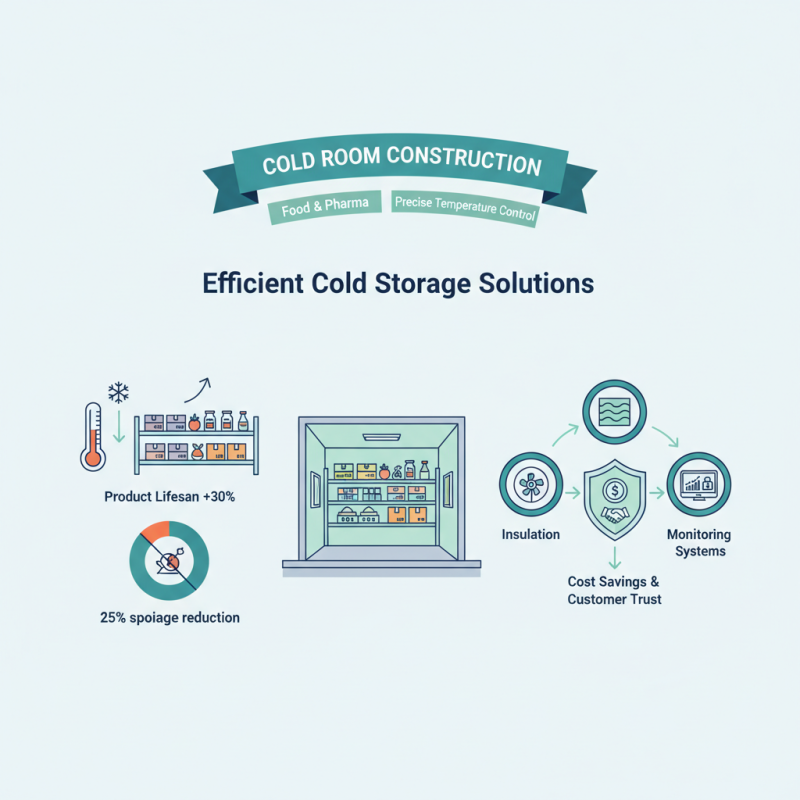
The exploration of Cold Room Construction has become vital in various industries. Reports indicate that efficient cold storage can enhance product lifespan by 30%. The food and pharmaceutical sectors increasingly rely on precise temperature control. This results in fewer spoilage losses and better inventory management.
Cold rooms provide an optimal environment for perishable goods. They help maintain quality and reduce waste. Industry data shows that 25% of perishables are lost without proper storage. This emphasizes the need for effective cold room construction. Moreover, as regulations become stricter, businesses face challenges in compliance. Inadequate design can lead to costly mistakes.
Yet, despite these advantages, many still overlook the complexities of cold room setups. Businesses must understand insulation, refrigeration, and monitoring systems. Each component plays a crucial role. Investing time in planning can prevent future inefficiencies. A well-constructed cold room not only saves money but also builds trust with customers.
Choosing the Right Location for Your Cold Room Installation
Choosing the right location for your cold room installation is crucial for efficient storage. The ideal site must balance accessibility and environment. Avoid areas with direct sunlight or heat sources. These factors can increase cooling costs by over 30%, according to industry reports.
Consider proximity to receiving and shipping docks. A location within 50 feet of these areas reduces time spent moving products. This not only improves efficiency but also minimizes the risk of temperature fluctuations during transport. Cold rooms should have minimal foot traffic to maintain stable temperatures.
Ventilation is another essential aspect. A well-ventilated site can improve the cold room's overall efficiency. Studies indicate that poor ventilation can increase energy consumption by up to 25%. Be aware of drainage and moisture as well. Cold rooms in damp areas may face condensation challenges, requiring ongoing maintenance. Thoughtfully selecting the location can lead to long-term cost savings and optimal performance.
Determining the Appropriate Size and Capacity for Storage Needs
When considering the appropriate size and capacity for a cold room, you need to think through your storage needs carefully. Start by evaluating the items you intend to store. Are they large bulk products or smaller, delicate items? This assessment guides your design significantly. A room to store large crates requires a different dimension than one for bottles or packets.
Another aspect to consider is the turnover rate of the items. High turnover items need easily accessible storage. This often means creating a space with various shelving levels. Visualize the setup. Can you easily reach everything? Reflect on your organization plan as well. If your layout is cluttered, it defeats efficiency.
In some cases, people underestimate space needed. They may pack items too tightly, risking spoilage. Proper airflow is crucial in cold storage. It’s easy to neglect this detail, but it's essential for maintaining the right temperature. Also, envision flexibility. For future needs, leave room for expansion. A well-planned cold room adapts over time, accommodating growth without overwhelming the space.
How to Build a Cold Room for Efficient Storage Solutions?
| Dimension | Description | Recommended Value |
| Room Size (sq ft) | Total area available for storage | 200-400 |
| Cooling Capacity (BTU) | Total cooling power needed for the room | 5,000 - 12,000 |
| Insulation Thickness (inches) | Thickness of insulation materials used | 4 - 6 |
| Temperature Range (°F) | Desired storage temperature range | 32 - 40 |
| Humidity Level (%) | Target relative humidity for storage | 50 - 70 |
| Power Supply (Volts) | Electrical supply required to run cooling units | 220 - 240 |
Selecting Insulation Materials for Optimal Temperature Control
When building a cold room, the choice of insulation materials is critical. Effective insulation helps maintain stable temperatures. According to the U.S. Department of Energy, optimal insulation reduces energy costs by up to 30%. Selecting materials with high R-values, such as polyurethane foam, is advisable. This can enhance thermal performance, ensuring that your cold room maintains its efficiency.
The thickness of insulation also plays a significant role. Many experts recommend a minimum thickness of 4 inches for walls. This additional thickness can prevent heat transfer, which is crucial in environments requiring strict temperature control. Some research shows that improper insulation can lead to temperature fluctuations of up to 10°F or more. Such variations can affect perishable goods drastically.
Reflective barriers are another option that should not be overlooked. They can be especially effective in hot climates, reflecting radiant heat away from the cold room's interior. However, improper installation often mitigates their effectiveness. A study published in the Journal of Applied Thermal Engineering noted that poorly installed reflective barriers could decrease their efficiency by up to 50%. This highlights the importance of professional installation and attention to detail.
Designing Efficient Shelving and Storage Solutions Inside the Cold Room
Designing an efficient shelving and storage solution inside a cold room can significantly enhance its functionality. The layout should prioritize accessibility and air circulation. Consider using adjustable shelving units made from materials like stainless steel or food-grade plastic. These materials resist rust and can handle cold temperatures effectively. Ensure that shelves are spaced correctly to accommodate various items and to allow for air flow.
Vertical space is often underutilized. Installing wall-mounted racks can maximize storage without crowding the floor area. Each shelf should bear weight limits that are appropriate for the items stored. Labeling each shelf or section aids in organization and reduces the time spent searching for items.
Reflect on common challenges faced in cold storage. Items may be misplaced, or shelves might become overcrowded. Regularly evaluating the layout and updating the organization system as inventory changes is critical. This process helps maintain an efficient storage system over time.
Maintaining Temperature and Humidity Levels for Extended Shelf Life
To create a cold room for optimal storage, managing temperature and humidity is crucial. Maintaining consistent temperature levels helps preserve perishable items. Typically, the ideal range for cold storage is between 32°F and 40°F. Fluctuating temperatures can compromise the quality of stored products. It's vital to regularly monitor these levels using reliable thermometers.
Humidity control is equally important. Excessive moisture can lead to mold growth and spoilage. Aim for a relative humidity level of about 85% to 90%. This balance supports food quality and extends shelf life. Using hygrometers can provide accurate readings. Consider a dehumidifier or humidifier to adjust levels as needed. However, achieving perfect conditions can be tricky. Regular testing may reveal inconsistencies, requiring adjustments.
Ventilation must not be overlooked. Proper airflow prevents stagnant air, which can lead to temperature variances. Installing fans helps circulate air, but be careful about directing airflow to avoid cold spots. Regular cleaning of vents and ducts is necessary to maintain efficiency. Keeping detailed records of temperature and humidity levels can highlight patterns, ensuring better storage practices over time.