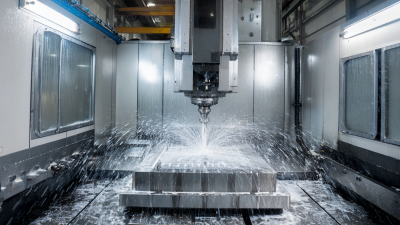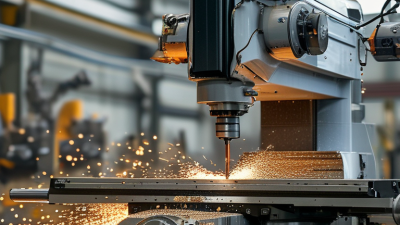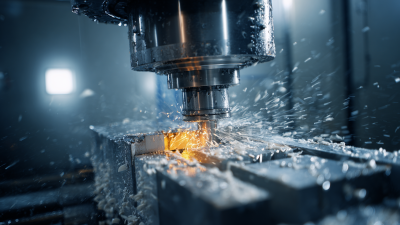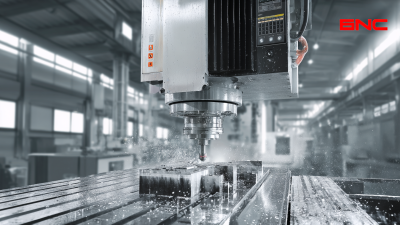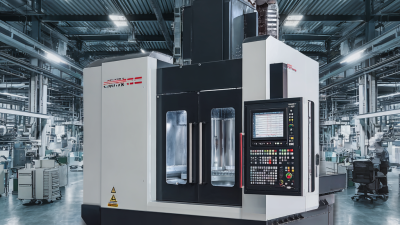
Choosing a large milling machine from China requires more than comparing advertised prices. Buyers must examine machining capacity, spindle power, table dimensions, control systems, and after-sales support. A machine may look impressive in photographs, yet its practical performance depends on design accuracy, assembly quality, and factory testing.
This guide introduces established Chinese manufacturers and explains how their quotations are usually structured. It considers gantry mills, horizontal mills, and heavy-duty vertical models for steel, cast iron, and oversized components. Real purchasing decisions often involve details such as a 3,000-millimeter table, a 22-kilowatt spindle, or a reinforced column designed for continuous cutting. These specifications affect installation space, energy use, tooling costs, and production speed.
Price is only one part of the decision. A low quotation may exclude transportation, commissioning, software upgrades, or replacement components. Request test-cut videos, inspection reports, reference projects, and a clear warranty before signing an order. Ask difficult questions. Reliable suppliers should answer with documents, not vague promises.
There is no single best machine for every workshop. A bridge mill suited to ship components may be excessive for a mold-making plant. Lead times and export service can also change by project and region. Some published prices may be outdated, so buyers should confirm current offers directly with manufacturers.
The following overview compares capabilities, typical price factors, and supplier strengths. It aims to support careful research, not replace technical due diligence. Small overlooked details can become expensive problems.
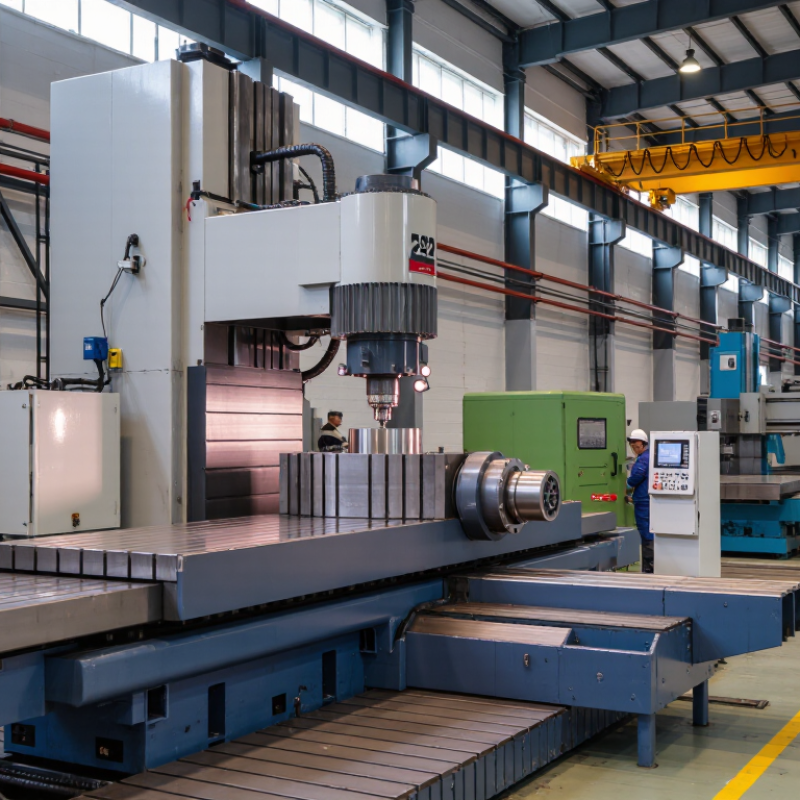
A large milling machine is defined by working capacity, not appearance alone. There is no universal size threshold. In practical purchasing, buyers often consider machines with tables above 2,000 millimeters, X-axis travel beyond 1,500 millimeters, and several tonnes of load capacity. These figures are useful benchmarks, not strict rules. A long table means little if the spindle cannot reach the workpiece safely.
The machine’s envelope is only one part of the definition. Large models usually combine high torque, rigid cast structures, extended Z-axis travel, and stronger chip evacuation. ISO 10791 provides testing guidance for machining centers, while ISO 230-2 evaluates positioning accuracy and repeatability. These standards help buyers compare real performance instead of trusting impressive brochures. A heavy frame can reduce vibration, but it also increases installation cost and foundation requirements.
Market evidence shows why specifications deserve close attention. Fortune Business Insights valued the global machine tools market at about USD 86.6 billion in 2023 and projected continued growth through 2032. Energy use matters too. The U.S. Department of Energy reports that optimized motor and drive systems can reduce industrial energy consumption significantly, sometimes by 20% or more. However, savings depend on duty cycles, maintenance, and operator habits. This is where many price comparisons become incomplete. A lower purchase price may hide larger costs for transport, tooling, power supply, coolant systems, and floor reinforcement. In my experience, buyers should measure the largest planned component first, then add clearance for fixtures and safe maintenance access. Oversizing still happens.
China produces several large milling machine types for steel structures, molds, energy equipment, and oversized components. Gantry milling machines use a fixed bridge and moving table. They suit long workpieces, such as welded frames and turbine housings. Floor-type boring and milling machines place the workpiece on a heavy floor plate. Their adjustable heads reach deep cavities and side walls.
Vertical and horizontal CNC mills serve different cutting tasks. Vertical models provide clear tool access and practical setup for plates, dies, and general fabrication. Horizontal models improve chip removal during deep-pocket machining. Five-axis machines add rotary movement, reducing repeated clamping on curved parts. The China Machine Tool Industry Association reported that China remained the world’s largest machine-tool consumer in recent industry statistics. That scale supports broad production capacity and varied configurations.
Market data also shows strong demand for CNC equipment. Mordor Intelligence estimated the global CNC machine market at about 83.7 billion US dollars in 2024. This figure includes many machine categories, not only large mills. Chinese quotations can vary sharply. Table size, spindle power, travel, accuracy grade, automation, and installation requirements drive the difference. A gantry mill with a 6-meter table needs stronger foundations and transport planning. That detail is often underestimated. Price comparisons become unreliable when specifications are incomplete. In practice, buyers should request test-cut records, positioning accuracy data, and service response terms. Some published figures look attractive, but actual production results may tell another story.
| Machine Type | Typical Working Size | Spindle Power | Maximum Workpiece Capacity | Typical Price Range (USD) | Primary Applications | Key Configuration Options | Typical Production Lead Time | Recommended Selection Rating |
|---|---|---|---|---|---|---|---|---|
| Large CNC Vertical Milling Machine | X: 1,000–2,500 mm Y: 600–1,200 mm Z: 600–1,000 mm |
15–37 kW | 3–10 tonnes | $45,000–$160,000 | Heavy-duty milling of plates, dies, molds, structural parts, and general industrial components. | Automatic tool changer, chip conveyor, fourth-axis rotary table, through-spindle coolant, linear scales. | 3–7 months | ★★★★★ |
| Large CNC Gantry Milling Machine | X: 2,000–8,000 mm Y: 1,500–4,000 mm Z: 800–2,500 mm |
22–75 kW | 10–80 tonnes | $120,000–$650,000 | Machining of shipbuilding parts, wind-power components, heavy equipment frames, and large welded structures. | Fixed or movable gantry, dual-drive system, universal milling head, automatic head changer, extended-bed design. | 6–14 months | ★★★★★ |
| CNC Double-Column Machining Center | X: 2,000–6,000 mm Y: 1,800–3,500 mm Z: 1,000–2,500 mm |
30–90 kW | 15–100 tonnes | $180,000–$900,000 | High-volume and high-precision machining of aerospace structures, energy equipment, molds, and heavy machinery parts. | Five-axis head, automatic pallet system, temperature compensation, probing system, high-capacity tool magazine. | 8–18 months | ★★★★★ |
| Heavy-Duty Horizontal Boring and Milling Machine | X: 2,000–10,000 mm Y: 1,500–5,000 mm Z: 1,200–3,500 mm |
30–110 kW | 20–150 tonnes | $220,000–$1,200,000 | Deep-hole boring and precision milling for engine blocks, gearbox housings, turbines, mining equipment, and large castings. | W-axis extension, rotary table, facing head, floor plates, boring bar support, automatic tool measurement. | 9–20 months | ★★★★★ |
| CNC Bridge-Type Milling Machine | X: 3,000–12,000 mm Y: 2,000–5,000 mm Z: 1,200–3,000 mm |
37–132 kW | 25–200 tonnes | $300,000–$1,500,000 | Large-scale machining of aerospace tooling, rail components, pressure vessels, construction machinery, and energy parts. | Multi-head machining, five-axis interpolation, hydrostatic guideways, automatic tool change, integrated measuring system. | 10–24 months | ★★★★☆ |
| CNC Five-Axis Large Milling Machine | X: 1,500–6,000 mm Y: 1,500–3,500 mm Z: 800–2,500 mm |
25–80 kW | 8–60 tonnes | $250,000–$1,100,000 | Complex aerospace components, impellers, turbine parts, large molds, and components requiring fewer setups. | Tilting milling head, rotary table, collision avoidance, tool-center-point control, laser tool measurement. | 8–18 months | ★★★★★ |
| CNC Mold and Die Milling Machine | X: 1,500–4,000 mm Y: 1,000–2,500 mm Z: 800–1,500 mm |
18–45 kW | 5–30 tonnes | $85,000–$420,000 | Automotive molds, plastic injection molds, casting dies, forging dies, and large precision tooling. | High-speed spindle, direct-drive head, thermal control, automatic tool changer, mold-surface interpolation. | 5–12 months | ★★★★☆ |
| CNC Floor-Type Milling Machine | X: 3,000–15,000 mm Y: 2,000–6,000 mm Z: 1,500–4,000 mm |
37–150 kW | 30–250 tonnes | $350,000–$1,800,000 | Machining of large weldments, hydroelectric components, ship components, turbine housings, and heavy industrial assemblies. | Movable column, floor-mounted rotary table, extended longitudinal travel, universal head, heavy-duty boring attachment. | 12–26 months | ★★★★☆ |
| CNC Profile and Contour Milling Machine | X: 2,000–10,000 mm Y: 1,500–4,000 mm Z: 700–2,000 mm |
20–60 kW | 10–70 tonnes | $140,000–$700,000 | Machining of aircraft ribs, railway components, curved structural parts, large fixtures, and complex contours. | High-speed contour control, five-axis head, automatic probing, CAD/CAM integration, vacuum or hydraulic workholding. | 6–16 months | ★★★★☆ |
| Manual Heavy-Duty Universal Milling Machine | X: 1,000–3,000 mm Y: 500–1,000 mm Z: 600–1,000 mm |
7.5–22 kW | 2–15 tonnes | $18,000–$75,000 | Repair workshops, low-volume production, maintenance work, large fabrication projects, and basic slotting or face milling. | Universal swiveling head, power feeds, rotary table, digital readout, extended table, hydraulic clamping. | 2–5 months | ★★★☆☆ |
Price ranges are indicative export-market estimates for new machines made in China. Final quotations vary according to machine size, accuracy grade, control system, tooling, automation, inspection requirements, shipping terms, installation, and after-sales service.
Large milling machines should be compared by measurable capability, not brochure size. The 2024 Gardner Business Media World Machine Tool Survey reported global machine-tool consumption at roughly US$86 billion in 2023. That scale reflects strong demand, but it does not guarantee suitable performance. Check table length, width, maximum load, and X, Y, and Z travel first. A 2,000 mm table means little if the machine loses rigidity near its travel limits.
Spindle power is important, yet torque and speed range often matter more. Heavy steel cutting may require 1,500–3,000 Nm of torque, while aluminum work benefits from higher spindle speeds. Compare the rated power, not only the peak figure. Review spindle taper, tool capacity, positioning accuracy, and repeatability. ISO 230-2 provides a recognized method for testing axis positioning performance. ISO 10791 also defines machining-center accuracy tests. Ask for recent test records.
Structure deserves close attention. A wider cast base, linear guides, and controlled thermal compensation can reduce visible variation on long parts. Chip evacuation and coolant filtration also affect daily output. According to the International Energy Agency, industry remains a major source of global electricity demand, so idle power should enter the price calculation. I have seen low quotations hide expensive installation work. That comparison is easy to miss. Include foundation requirements, operator training, maintenance access, warranty response, and spare-parts availability. A lower purchase price can become costly when downtime reaches several shifts.
Evaluating a Chinese large milling machine supplier requires more than comparing online prices. Visit the factory when possible. Inspect the assembly area, machining equipment, testing space, and storage conditions. A clean floor does not prove quality, but poor organization deserves questions.
Request detailed specifications, including spindle power, table size, travel range, positioning accuracy, and maximum workpiece weight. Ask how accuracy is tested and recorded. Reliable manufacturers provide inspection reports, calibration records, and clear production schedules. Check whether critical components have traceable sources. Speak with recent customers about delivery accuracy, installation support, and after-sales response.
Price needs careful interpretation. A lower quotation may exclude tooling, packaging, training, transport, or import costs. Compare identical configurations in a written table. Confirm warranty coverage, spare-part availability, payment milestones, and shipping terms. Ask for a sample acceptance procedure before production begins. This protects both sides.
I would also question unusually perfect promises. Suppliers may show impressive sample parts, while routine production reveals limitations. One overlooked detail can affect alignment for months. Independent inspection is worth considering before shipment. Still, inspections have limits. My own evaluation can miss issues hidden under protective covers or inside control systems. Clear records and honest communication matter as much as the machine’s advertised performance.
China Best Large Milling Machine Manufacturers and Prices
Large milling machine prices in China vary widely because machine size alone does not determine the final cost. A quotation should reflect spindle power, table dimensions, travel distance, control system, tooling, and delivery requirements. A heavy-duty bridge mill usually costs more than a standard vertical model. However, a lower price may hide weaker components, limited testing, or expensive installation work. Reliable manufacturers should provide material certificates, inspection records, load-test results, and clear warranty terms. These documents help buyers compare real value rather than attractive figures.
Purchasing decisions should also consider accuracy, service response, spare parts, training, and factory experience with similar projects. Ask for sample machining results using materials close to your own production needs. Check the machine’s working envelope carefully. A table that looks large may leave little room for fixtures and clamps. I have found that buyers often focus too heavily on the purchase price. That is understandable, but incomplete. Energy use, maintenance access, shipping protection, and operator training can affect ownership costs for years. Specifications may also be misunderstood when translations are rushed.
Tips: Request an itemized quotation. Confirm every included accessory. Compare test standards, not just promises. Ask who will install the machine and how quickly support can respond. If possible, inspect a finished machine before payment. A small inspection fee may prevent a costly mistake. Leave room for doubt. A perfect quotation rarely exists.
Indicative new-machine price ranges for large milling equipment. Actual prices depend on working travel, spindle power, CNC system, automation, accuracy, tooling, shipping, installation, and after-sales support.
The ranges shown are typical market estimates in USD for new equipment. Buyers should compare machine capacity, rigidity, positioning accuracy, component quality, energy requirements, warranty coverage, and total landed cost rather than focusing only on the initial purchase price.
"*" indicates required fields