Top Level 3 EV Charger Manufacturers in China
China has become an important source of equipment for high-power electric vehicle charging. This guide introduces leading manufacturers of Level 3 Ev Charger systems and the practical differences buyers should examine. These chargers convert grid power into direct current, helping compatible vehicles recharge faster than with typical AC equipment. Actual charging speed still depends on vehicle limits, battery temperature, and site conditions. Fast is not automatic.
A useful comparison goes beyond headline power ratings. Look at connector options, cabinet design, cooling methods, load management, and the clarity of installation documentation. Ask how manufacturers test equipment under sustained loads, and whether they provide commissioning support, spare parts, and responsive technical service. A tidy cabinet and readable fault display matter when a station is busy in bad weather. Published specifications are useful, but they cannot replace independent testing or feedback from operators using the equipment daily.
The companies featured here are assessed through these practical considerations, alongside product range, manufacturing capability, and evidence of quality management. Not every supplier publishes equally detailed information, so direct verification remains important. No shortlist is perfect. Buyers should confirm current specifications, site compatibility, warranty terms, and local service arrangements before making a decision. The right manufacturer depends on the project: a highway hub has different demands from a depot with predictable overnight use. Even careful research leaves questions. That is a reason to ask better ones, not to trust a ranking blindly.
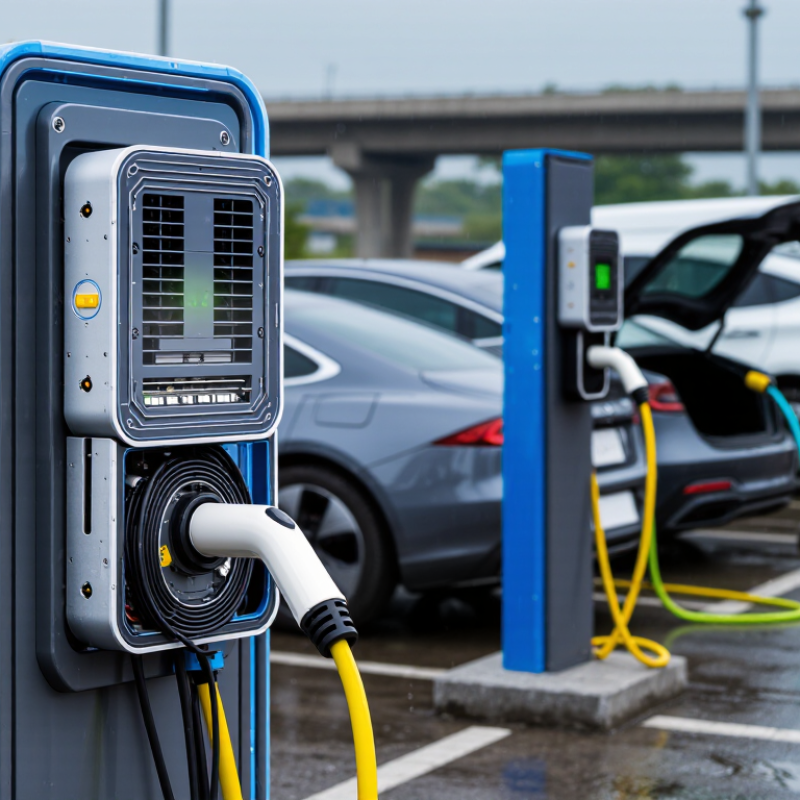
What Defines a Level 3 EV Charger?
“Level 3” is common shorthand for DC fast charging, not a universally precise technical class. Unlike Level 1 or Level 2 AC charging, a DC fast charger converts grid power outside the vehicle and sends direct current to the battery. The vehicle still controls how much energy it accepts. That distinction matters. A charger rated at 150 kW cannot make every vehicle charge at that rate. Battery limits, temperature, and state of charge affect actual charging speed. A cold battery or nearly full pack can make a powerful charger feel surprisingly slow.
To identify a Level 3 system, check its DC output, power rating, connector, and communication compatibility with the vehicle. Connector availability varies by region and model, so the label alone is not enough. Cooling, cable handling, uptime, and reliable power delivery also matter during repeated use. These details shape the driver’s experience as much as peak kilowatts. I would treat “fast” as a capability, not a promise. A short session may add substantial range, but results vary, and peak figures rarely describe an entire charging session.
How China’s Level 3 EV Charging Industry Has Evolved
China’s Level 3 charging industry has moved from limited demonstration sites toward broader public charging networks. In China, these chargers are generally discussed as high-power DC fast chargers. Their growth has followed rising electric-vehicle use on city roads and highways. That changed quickly. Charging hubs now often place several units near service areas, parking lots, and busy urban roads.
The equipment has evolved, too. Modular power cabinets help operators adjust capacity, while liquid-cooled cables support higher charging power in some installations. Digital monitoring can flag faults and show whether a connector is available. But a charger’s rated output does not guarantee the same speed for every vehicle. Battery temperature, vehicle limits, and site conditions all matter. The technology is impressive, but the experience can still vary.
The industry’s next challenge is making fast charging dependable at scale. Operators need to manage peak electricity demand and keep equipment maintained, especially at heavily used sites. Payment access and charger compatibility also shape whether a stop feels simple or frustrating. Progress has been substantial, yet network coverage and utilization remain uneven. Looking back, growth alone was never the whole measure; reliability at the plug matters just as much.
Criteria for Evaluating Chinese Charger Manufacturers
For buyers comparing Chinese Level 3 EV charger manufacturers, confirm what “Level 3” means in each supplier’s documentation. The term commonly describes DC fast charging, but it is not a universal product specification. Compare rated output, connector options, charging efficiency, and performance across the intended voltage range. Ask for test results under sustained load, not just peak-power figures. Heat matters. A cabinet operating outdoors through humid summers or dusty roadside conditions needs documented thermal and ingress protection.
Independent market data gives useful context, not a quality guarantee. The International Energy Agency’s Global EV Outlook 2024 reports nearly 600,000 fast chargers worldwide at the end of 2023, with fast-charger stock rising about 55% that year. The National Energy Administration of China reported 2.73 million public charging facilities nationwide at year-end 2023. This scale makes manufacturing capacity relevant, but it does not prove consistency between production batches. Request traceable factory quality records, warranty terms, and references for comparable installations.
Check compatibility with local vehicle communication protocols, grid conditions, and payment systems before placing an order. Require evidence of applicable safety and electromagnetic compatibility testing for the destination market. Field tests matter. Ask how the manufacturer handles software updates, fault logs, spare parts, and response times after installation. A polished datasheet can still leave gaps; I would treat unclear service commitments as a real evaluation risk.
Leading Level 3 EV Charger Manufacturers in China
China’s leading Level 3 EV charger manufacturers compete on more than peak power. Level 3 usually means DC fast charging. Buyers should assess output stability, cooling, fault reporting, and maintenance access. A 240 kW unit can still disappoint if its cabinet repeatedly reduces power in summer heat. Field performance matters. The IEA’s Global EV Outlook 2024 reports that China accounted for about 85% of the world’s fast chargers in 2023.
Leading manufacturers need to match equipment design with real site conditions, from highway service areas to crowded urban depots. Look for clear test documentation, robust connector handling, and remote diagnostics that help technicians identify faults quickly. Ask for uptime records and service response times, not just laboratory specifications. These figures can be difficult to compare across suppliers, so independent verification is useful. No single specification tells the whole story.
Tips: Check charger output at high ambient temperatures, confirm spare-part availability, and review warranty exclusions before ordering. A site trial can reveal problems that a polished brochure cannot.
How to Compare Manufacturers’ Technology, Certifications, and Services
When comparing Level 3 EV charger manufacturers in China, look beyond advertised power ratings. Ask how the unit performs during repeated high-load sessions, not just a brief showroom test. A 240 kW charger may share power across two connectors, so confirm the output available when both are in use. Request test records for temperature control, electrical protection, and operation in your target climate. Real installation details matter.
Check that certifications match the exact model and destination market. A certificate for one product does not automatically cover another. Review the test scope, issuing body, and current validity with a qualified compliance specialist. Also compare communication protocols, remote diagnostics, and software update procedures. Some brochures sound complete; the fine print may not be. Ask for references from sites with similar traffic and grid conditions.
Tips: Request a sample service-level agreement. Confirm spare-part availability, technician response times, and warranty exclusions in writing. Ask who handles troubleshooting after installation. Then compare answers side by side. A short factory visit can help, though one visit cannot prove consistent production quality. Look for documented inspections and traceable component records.