How to Choose the Best HEX BOLT for Your Project?
Choosing the right HEX BOLT for your project is crucial. As James T. Reynolds, a renowned fastener expert, notes, “The correct HEX BOLT can make or break a project.” Selecting the best HEX BOLT involves understanding various factors that can impact performance and reliability.
HEX BOLTs come in different grades, materials, and coatings. Each option has unique benefits. For instance, stainless steel HEX BOLTs resist corrosion, making them ideal for outdoor use. Meanwhile, carbon steel options offer strength. However, selecting the appropriate type often poses challenges. Many overlook specific requirements, leading to miscalculations.
Assessing your project’s needs is key. Consider load capacity, environmental conditions, and assembly method. Failing to address these can result in future issues. Expert guidance can simplify this process. Engaging with professionals ensures you choose the best HEX BOLT for your specific application. Remember, a misguided choice could jeopardize your project’s success.
Understanding HEX Bolt Specifications and Standards
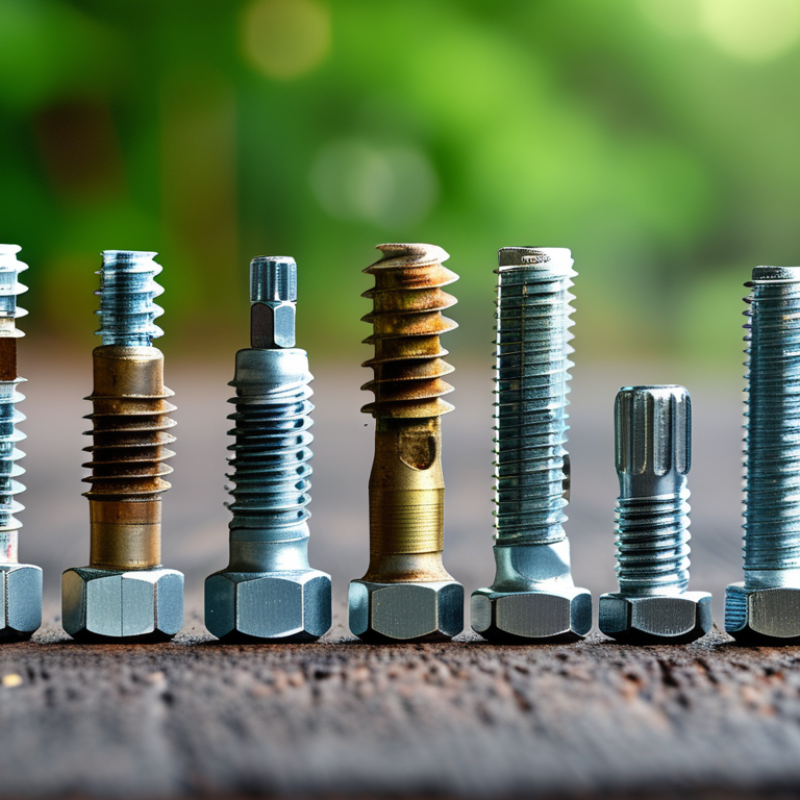
When selecting a HEX bolt for your project, understanding its specifications and standards is crucial. HEX bolts come in different grades that indicate their material strength and suitability for various applications. Common grades include ASTM A307, A325, and A490. Each grade has a specific tensile strength, which determines how much load it can bear. Choosing the appropriate grade is fundamental, as using a lower grade can lead to failure.
In addition to grades, consider the diameter and length of the bolt. These dimensions impact the bolt's performance in tension and shear. Ensure that the bolt fits snugly into your assembly to prevent loosening over time. Pay attention to the thread type as well; coarse threads grip better, while fine threads allow for precise adjustments.
Keep in mind that environmental factors can also affect your choice. For example, bolts used in corrosive environments may require special coatings or stainless steel materials. While it’s tempting to opt for the cheapest option, this can lead to greater costs down the line due to replacements or failures. Reflecting on your project requirements can guide your decisions in selecting the ideal HEX bolt.
Material Selection: Steel, Stainless Steel, and Other Alloys
When selecting the best hex bolt for your project, material choice is crucial. Steel is often used due to its high strength and affordability. It is suitable for a variety of applications but lacks corrosion resistance. According to industry reports, approximately 70% of fasteners used in construction are carbon steel. However, this makes them susceptible to rust in humid environments.
Stainless steel is a popular alternative. It offers excellent corrosion resistance, making it ideal for outdoor and marine applications. Data from the American Fastener Manufacturers Association indicates that stainless steel fasteners represent about 20% of the market. While they are more expensive than carbon steel, their longevity often offsets the cost over time. For specialized needs, alloys like Inconel or titanium can be considered. They provide exceptional strength and corrosion resistance, but at a higher price point.
Selecting the right alloy isn’t without challenges. Each material comes with trade-offs. While stainless steel and other alloys excel in specific conditions, they may not be cost-effective for all projects. Consider where and how the bolts will be used. Ensure the selected material aligns with the project requirements and budget constraints. This critical evaluation can prevent future issues, like premature failure or excessive maintenance.
Material Selection for HEX BOLTS
Load Capacity and Thread Count: Factors for Choosing the Right Bolt
When selecting a HEX bolt, understanding load capacity is crucial. Load capacity refers to the maximum weight a bolt can support without failure. It depends on the material, diameter, and length of the bolt. For heavy-duty applications, such as structural projects, choose bolts made from stronger materials like stainless steel or high-strength alloy. Verify the manufacturer's specifications to ensure reliability.
Thread count also plays a significant role in bolt selection. A higher thread count indicates finer threads, which can enhance grip and stability. However, fine threads may be less effective in softer materials. Consider the application environment. For outdoor projects, corrosion resistance is vital. A galvanized or coated bolt is preferred in such situations. Always assess the specific needs of your project.
It's common for professionals to overlook these factors in haste. A bolt that seems adequate may fail under unexpected loads. Take the time to analyze load requirements and environmental conditions before making a purchase. Reflecting on these choices can lead to more successful and safer outcomes in your projects.
Corrosion Resistance: Coatings and Treatments for Durability
Corrosion resistance is vital when selecting HEX bolts for any project. The environment can significantly impact the longevity of fasteners. For example, a report by the American Society of Civil Engineers indicates that nearly 30% of structural failures are related to corrosion. Understanding the different coatings and treatments available can greatly enhance durability.
Zinc plating is a common choice, offering basic protection against rust. It can withstand moisture and minor chemical exposure. However, it may not be enough for harsh environments. Hot-dip galvanizing provides a thicker coating and better resistance. This method can extend the life of bolts in aggressive conditions, like coastal areas or chemical plants. Still, some applications might require additional treatments, such as epoxy or powder coatings.
Choosing the right treatment is essential. Consider the specific project needs and environmental factors. Think about potential scratches or wear over time. Ensure fasteners fit your design criteria without compromising longevity. Keep in mind that sometimes a more expensive bolt with superior coating can save money in the long run. Always balance cost against expected durability and performance based on the environment.
Applications and Suitability: Identifying the Right Project Needs
When selecting the right hex bolt for your project, it's crucial to consider the specific applications and requirements. Hex bolts serve various functions, from securing furniture to holding machinery parts together. Understanding the material strength needed for your task can impact the durability of your assembly. For example, stainless steel bolts work best in environments with moisture. They resist corrosion effectively, making them ideal for outdoor projects.
The size and thread pitch of the hex bolt cannot be overlooked. A mismatch can lead to structural failures. Ensure the bolt length accommodates the materials being joined. It is often beneficial to test fit a bolt before finalizing your selection. Sometimes, initial choices may not suit the load-bearing requirements. This can result in a need for reassessment before construction begins.
Consulting design guidelines or engineering resources can provide additional clarity. However, trust your experience and knowledge of similar projects. It's normal to face challenges on the journey of choosing the right fastener. Sometimes, the best decisions come from trial and observation. Pay attention to the details of your project. Each component plays a crucial role in achieving a successful outcome.