Why Choose a Continuous Pyrolysis Plant for Your Business?
In today’s industrial landscape, businesses are increasingly focused on sustainability and efficiency. A Continuous Pyrolysis plant stands out as a solution that can meet these growing demands. This advanced technology not only transforms waste into useful products but also offers an efficient operating model. Companies looking to enhance their waste management processes should consider the unique benefits of this system.
The Continuous Pyrolysis plant operates seamlessly, allowing for uninterrupted processing of materials. This continuous operation minimizes downtime, maximizing productivity. Businesses can directly see the impact on their bottom line. The plant converts various types of waste, such as rubber, plastics, and biomass, into valuable resources like oils and gases. This recycling process reduces landfill waste and supports eco-friendly practices.
Yet, choosing a Continuous Pyrolysis plant requires careful consideration. There are initial investments and ongoing operational costs that must be examined. Companies must weigh the long-term benefits against potential challenges. The decision should involve thorough research and expert consultation, ensuring reliable and informed choices. Investing in this technology promises efficiency and sustainability, but it demands a commitment to evaluating risks and rewards effectively.
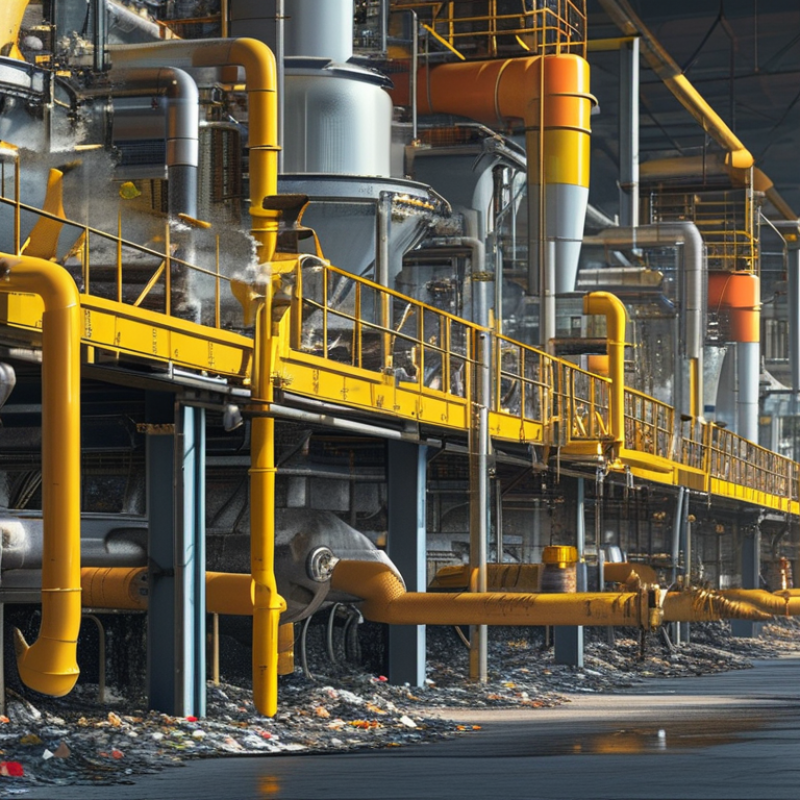
Benefits of Continuous Pyrolysis Plants for Waste Management
Continuous pyrolysis plants offer significant benefits for waste management. These facilities convert waste materials into valuable resources through a thermochemical process. This process generates biochar, oil, and gas, reducing landfill use and lowering environmental impact. The efficiency of continuous pyrolysis allows for uninterrupted operation, maximizing productivity and minimizing downtime.
One critical aspect to consider is the control system in place. Advanced technology can optimize conditions for better yield and energy efficiency. Regular maintenance checks are also essential. Frequent inspections can prevent unexpected breakdowns, ensuring smooth operations.
When selecting a continuous pyrolysis plant, look for reliable manufacturers. Researching their expertise can reveal insights into their technology and support services. Additionally, invest time in understanding the local regulations around waste processing. Compliance is key to avoiding fines or operational interruptions. Balancing efficiency with safety is a vital reflection for long-term success in waste management solutions.
Benefits of Continuous Pyrolysis Plants for Waste Management
| Benefit | Description | Environmental Impact | Economic Advantage |
| Continuous Processing | Allows for constant treatment of waste without interruptions, increasing efficiency. | Reduces waste in landfills, lowering greenhouse gas emissions. | Optimizes resource utilization, lowering operational costs. |
| High Yield of Oils and Fuels | Produces valuable byproducts such as pyrolysis oil, which can be used as fuel. | Contributes to energy sustainability and reduces reliance on fossil fuels. | Generates additional revenue streams for businesses. |
| Flexibility in Feedstock | Can process a variety of waste materials, including plastics and tires. | Encourages recycling and reduces the environmental impact of such wastes. | Diversifies waste management options for businesses. |
| Reduced Carbon Footprint | Lower emissions compared to incineration or landfill methods. | Helps to combat climate change effects by minimizing carbon emissions. | Improves company's sustainability image, attracting eco-conscious consumers. |
| Automated Operation | Minimizes human error and reduces labor costs through automation. | Improves safety by reducing manual handling of hazardous materials. | Lowers operational costs by streamlining processes. |
Cost Efficiency of Continuous Pyrolysis in Industrial Settings
Continuous pyrolysis plants are becoming increasingly popular in industrial settings. Their cost efficiency is a significant factor. By constantly processing materials, businesses reduce downtime and maximize output. This leads to better resource allocation and lower operational costs.
One important tip is to consider the feedstock carefully. The type of materials you use can greatly affect cost efficiency. Some materials may yield better results than others. Additionally, regular maintenance is key. Neglecting this can lead to increased costs and lowered efficiency.
Energy consumption is another factor to examine. Continuous pyrolysis plants are designed to optimize energy use. However, assessing energy needs can reveal potential savings. Monitoring energy metrics regularly could highlight areas for improvement. Fine-tuning these aspects can enhance overall profitability.
Environmental Impact and Sustainability of Continuous Pyrolysis
Continuous pyrolysis plants are becoming crucial in today's business landscape. They transform organic waste into valuable resources. This process significantly reduces waste, contributing to a healthier environment. Continuous systems offer efficiency and consistency, allowing for greater output than batch processes.
The environmental impact of continuous pyrolysis is notable. It reduces reliance on landfills, where waste often produces greenhouse gases. Instead, pyrolysis converts waste into biochar, bio-oil, and syngas. Each product has potential uses, from energy generation to soil enhancement. This method promotes sustainability by providing alternative energy sources while minimizing pollution.
However, implementing continuous pyrolysis raises challenges. Not all materials are suitable for pyrolysis, and pre-treatment may be necessary. Businesses must develop a reliable supply of feedstock. Local regulations can also impact operations. Continuous monitoring and adapting to new environmental policies are vital for long-term success. A thorough understanding of the process and environmental impact ensures better decision-making for businesses.
Technological Advancements in Continuous Pyrolysis Processes
Continuous pyrolysis technology has advanced significantly, making it an attractive option for businesses seeking sustainable waste management solutions. Recent studies show that these plants can achieve conversion rates of up to 90%. This efficiency translates to high-quality outputs, such as bio-oil and char, which can be repurposed for energy or industrial applications. The demand for alternative energy sources continues to rise, driven by climate change concerns and policy shifts toward sustainability.
One notable technological advancement is the integration of automation in these processes. Modern continuous pyrolysis plants utilize real-time data analytics to optimize operational efficiency. This reduces the need for manual intervention, minimizing human error and operational downtime. According to the Journal of Cleaner Production, smart pyrolysis systems can lower operational costs by as much as 30%. Such reductions enable businesses to focus on growth while promoting environmentally friendly practices.
Tips: Prioritize equipment maintenance to ensure efficient operation. Regularly analyze the feedstock used; different materials can affect output quality. Engaging in staff training can also amplify your plant’s effectiveness. Continuous improvement in training and technology will enhance your bottom line and the environment.
Applications and Versatility of Products from Continuous Pyrolysis
Continuous pyrolysis plants offer diverse applications through the conversion of organic materials into valuable products. They effectively process waste into bio-oil, syngas, and carbon black. A report by the Environmental Protection Agency (EPA) shows that pyrolysis reduces landfill waste by up to 90%. This is a significant step towards sustainability in waste management.
Bio-oil produced from continuous pyrolysis serves as a renewable energy source. It can replace fossil fuels in various industries. Studies indicate that bio-oil can provide up to 80% of the energy needed in industrial processes. Furthermore, carbon black produced is vital in rubber, ink, and plastics manufacturing. Its market value was estimated at $13 billion in 2020, reflecting its demand and importance.
Versatility is a major advantage. The feedstock can range from plastic waste to biomass. However, challenges remain, such as the need for efficient feedstock preparation. Also, initial capital investment for these plants can be substantial. Nevertheless, the long-term benefits often outweigh these initial hurdles. Continuous pyrolysis plants represent a forward-thinking solution to waste management and energy production challenges.