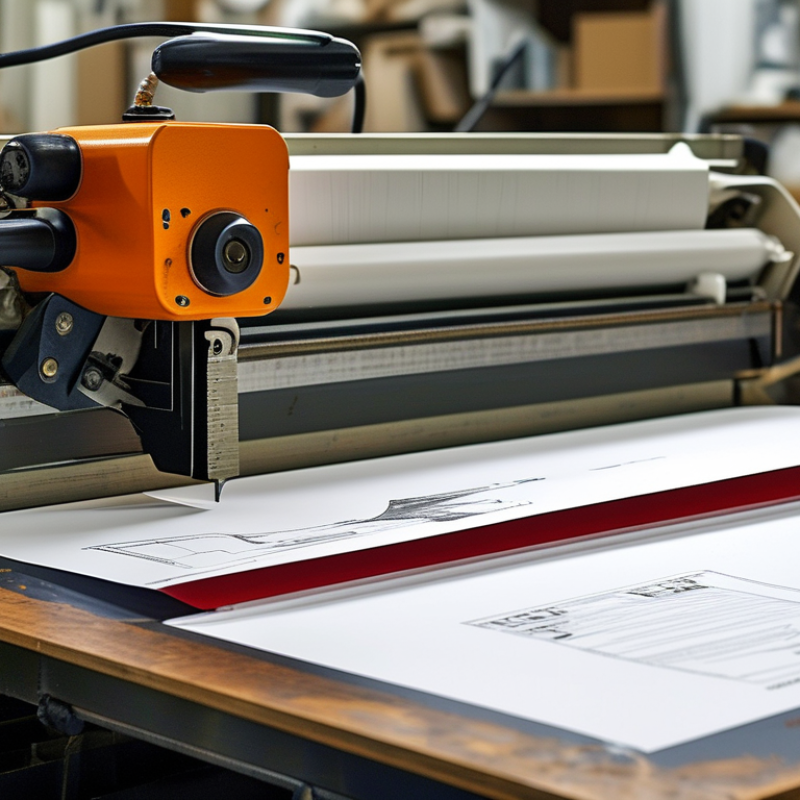
Why Choose a Paper Cutting Machine for Your Business Needs?
In today's fast-paced business environment, efficiency is key. A Paper Cutting Machine can streamline operations significantly. Whether you work in printing, packaging, or crafts, precision matters. This machine offers consistent cuts, reducing manual errors and wasting materials.
Businesses often face the challenge of meeting rising demands. Investing in a Paper Cutting Machine allows for faster turnaround times. It enhances productivity while ensuring quality. However, selecting the right machine can be overwhelming. Different models cater to various needs, and not all fit every business.
Choosing to integrate a Paper Cutting Machine is a strategic decision. It not only boosts output but also strengthens your competitive edge. Don't overlook the power of this tool. A careful evaluation of your unique requirements and available technology can lead to impressive results.
Benefits of Using a Paper Cutting Machine in Business Operations
When considering efficiency in business, a paper cutting machine can be a game-changer. Precision is key in many industries. A high-quality machine ensures clean edges, reducing the risk of mistakes. This accuracy leads to professional results that enhance customer satisfaction.
Using a paper cutting machine saves time. Manual cutting methods can be tedious. Employees often lose focus, leading to uneven cuts. Implementing a machine allows your team to concentrate on other critical tasks. You'll notice a boost in productivity almost immediately.
**Tips:** Choose a machine that fits your volume needs. Consider how often you'll use it. A tabletop model may suffice for small jobs, while larger businesses may require industrial-grade options. Regular maintenance is vital. Clean and check the blades to avoid complications during operation.
Why Choose a Paper Cutting Machine for Your Business Needs? - Benefits of Using a Paper Cutting Machine in Business Operations
| Benefit | Description | Impact on Business |
| Increased Efficiency | Paper cutting machines can process large volumes of paper quickly, reducing time spent on manual cutting. | Saves time and labor costs, allowing staff to focus on other important tasks. |
| Precision Cutting | Automated machines provide accurate and consistent cuts, minimizing paper waste. | Improves product quality and reduces material costs. |
| Versatility | Can cut various types and sizes of paper, as well as other materials. | Enables businesses to diversify their product offerings. |
| User-Friendly | Modern machines are designed to be intuitive and easy to operate. | Reduces training time and helps new employees quickly adapt to the workflow. |
| Durability | Built to withstand heavy usage in commercial settings. | Lower maintenance costs and longer lifespan of equipment. |
Different Types of Paper Cutting Machines Available for Businesses
When selecting a paper cutting machine for your business, it's essential to understand the various types available. There are manual, electric, and laser cutting machines, each serving different needs. Manual cutters are cost-effective and ideal for small projects. Electric machines are faster and can handle larger volumes. Laser cutters offer precision but require a higher investment.
Tips: Consider the volume of paper you plan to cut. If you expect high demand, an electric model might be better. Evaluate the space you have available. Some cutters can be bulky and require ample room.
It's also important to reflect on your specific requirements. Sometimes, a lower-priced manual cutter could suffice for smaller tasks. Using various machines occasionally can help you find the right fit without overspending. Explore what complements your workflow efficiently.
Key Features to Consider When Selecting a Paper Cutting Machine
When selecting a paper cutting machine, several key features can significantly impact efficiency and output quality. Speed and cutting precision are crucial. A study from Smithers Pira suggests that businesses with high-speed machines can increase productivity by 25%. Machines offering adjustable cutting settings are ideal for varying paper sizes and thicknesses. This flexibility can help accommodate unique client requests, making your services more appealing.
Durability should not be overlooked. Machines with robust construction tend to last longer under heavy use, reducing downtime. A report by Technavio indicates that investing in a high-quality machine can lower operational costs by 15% over five years. Additionally, considering the ease of maintenance is vital. Machines requiring less frequent servicing save time and resources, allowing staff to focus on core business activities.
**Tip:** Look for machines with user-friendly interfaces. Simple controls can minimize training time for new employees.
**Tip:** Check for warranty options. A solid warranty can reflect the manufacturer's confidence in the machine.
When comparing options, also assess safety features. Over 30% of paper cutting injuries occur due to inadequate safety measures. Opt for models with safety guards and automatic shut-off features to protect your workforce.
Cost vs. Efficiency: Investing in a Paper Cutting Machine
Investing in a paper cutting machine can significantly impact your business’s efficiency. Many companies face the challenge of balancing costs with operational needs. A reliable paper cutter can streamline workflow and reduce labor time. This means quicker project turnaround and happier customers. With precision cutting, projects can be completed with less waste. This efficiency can enhance overall production quality.
However, the initial investment in a cutting machine can seem daunting. It’s essential to evaluate your specific needs and potential return on investment. Some businesses may hesitate, unsure if they will fully utilize the machine. Smaller operations might lean towards manual cutting methods, feeling they suffice. Yet, as projects scale, the limitations of manual cutting often become evident. A machine might seem expensive, but the long-term benefits often outweigh the costs.
High-quality cuts lead to better presentation, which can attract clients. Inconsistent results from manual methods may lead to rework, which eats into profits. There is a risk in investing in new equipment; however, embracing innovation can propel your business ahead. A thoughtful evaluation can pave the way for informed decisions, leading to improved efficiency and cost savings over time.
Common Industries That Benefit from Paper Cutting Machines
In various industries, paper cutting machines play a crucial role. The printing and publishing sector relies heavily on these machines for precision cutting. This ensures that printed materials are uniform and ready for distribution. A small error in cutting can affect the overall quality.
Another area that benefits is packaging. Companies often need customized packaging for products. Paper cutting machines can create unique shapes and sizes. This adaptability is essential in a competitive market. Many businesses struggle with maintaining consistent quality and turnaround times. This technology can alleviate some of those challenges.
The arts and crafts industry is yet another field where paper cutting machines shine. Artists and designers utilize them for intricate designs. The detail and accuracy offered by these machines can elevate a project. However, it is essential to have a learning curve when starting. Mistakes can lead to wasted materials, and that's a concern for many creatives. Each industry can find unique advantages and also face challenges when integrating this technology.