How to Choose the Right Aluminum Heat Sink for Your Project?
Choosing the right Aluminum Heat Sink for your project can be a daunting task. Expert Sam Jenkins, an industry leader with over 15 years of experience, once stated, “The performance of your cooling system lies heavily on the choice of heat sink.” This emphasizes the critical role of selecting the appropriate Aluminum Heat Sink.
Aluminum Heat Sinks are essential in managing heat in various electronic devices. Without adequate cooling, components may overheat, leading to failures. However, many overlook the importance of size, surface area, and thermal conductivity. Every project demands specific requirements, and you must understand these nuances.
There is often a tendency to settle for standard sizes or shapes. While convenience is tempting, it may lead to inefficiencies. Reflection is necessary—how does your choice affect overall performance? Selecting the right Aluminum Heat Sink is not just about cooling; it requires careful consideration and informed decisions.
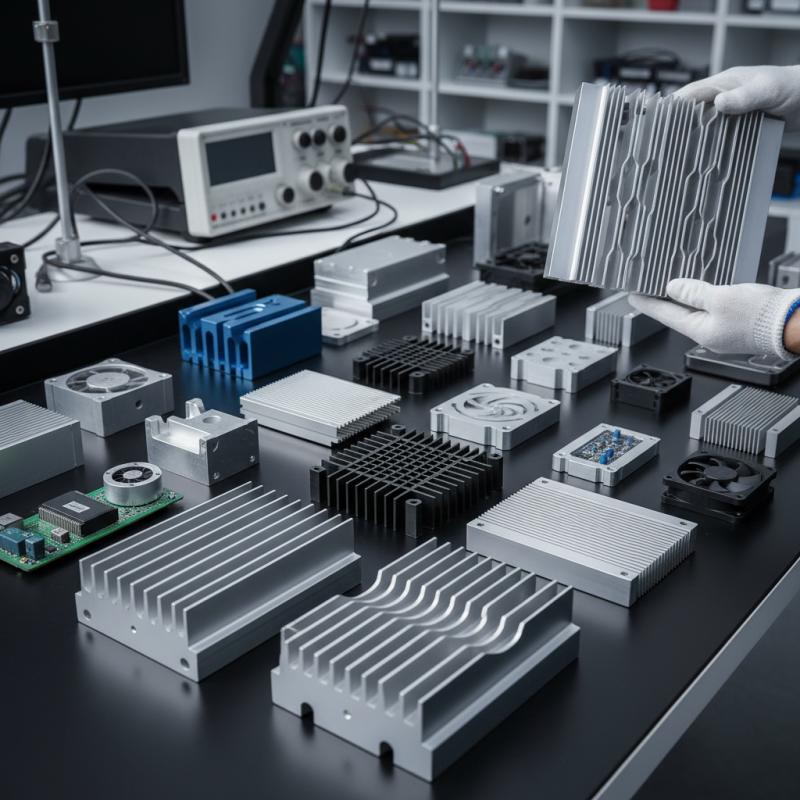
Understanding the Importance of Heat Sinks in Electronics Cooling
Heat sinks play a vital role in electronics cooling. They help dissipate excess heat from components, ensuring the device operates efficiently. In a study by the International Journal of Thermal Sciences, improper heat management can reduce electronic life by up to 30%. Understanding this aspect is crucial for engineers working on thermal management solutions.
Thermal conductivity is a key factor in heat sink design. Aluminum is widely used due to its excellent thermal conductivity, typically around 200 W/mK. This attribute allows for efficient heat transfer from components to the heat sink. However, not all projects require the same specifications. Choosing the right density and size is essential to optimize performance.
Another concern is airflow. Studies show that increased airflow can reduce thermal resistance by up to 25%. Engineers must analyze the environment in which the electronics operate. While some designs might seem efficient, factors like placement and orientation can significantly impact cooling performance. A thoughtful approach is vital for achieving reliable thermal management in electronics.
Key Factors to Consider When Selecting Aluminum Heat Sinks
When selecting an aluminum heat sink, consider thermal performance as a top priority. The heat sink's design plays a key role in its efficiency. Fins increase surface area, improving heat dissipation. Larger surfaces can cool more effectively. However, more material means added weight and cost.
Next, examine the dimensions of your project. Space constraints may limit your options. A compact design can work, but it must still manage thermal load effectively. Compatibility with components is essential. Ensure that the heat sink fits snugly against the chip or device it cools. Pay attention to mounting methods as well. Inadequate attachment can lead to inefficient cooling.
Material quality is crucial for durability and performance. Aluminum is a common choice due to its lightweight and good thermal conductivity. However, not all aluminum is equal. Analyze the alloy used in your heat sink. The right alloy can enhance longevity and thermal performance. Remember, choosing a heat sink is not a one-size-fits-all decision. Reflect on your specific needs and test options if possible.
How to Choose the Right Aluminum Heat Sink for Your Project?
| Factor | Description | Importance |
| Material Quality | Consider the grade of aluminum for durability and thermal conductivity. | High |
| Dimensions | Ensure the heat sink fits the component and installation space. | Critical |
| Fin Design | Evaluate the number and thickness of fins for optimal heat dissipation. | High |
| Weight | Consider the weight for impacts on overall project design. | Moderate |
| Surface Treatment | Look for anodized or coated surfaces for better thermal performance. | High |
| Cost | Assess the budget and find a balance between performance and cost. | Moderate |
Different Types of Aluminum Heat Sinks and Their Applications
Aluminum heat sinks come in various types, each suited for different applications. Extruded heat sinks are common due to their efficient manufacturing process. They offer excellent thermal conductivity and can be customized easily. Research from the Thermal Management industry indicates that extruded designs can enhance cooling performance by up to 30%. This makes them a popular choice for CPUs and RF components.
Another option is bonded heat sinks. These combine multiple materials to optimize performance. They’re especially useful in applications needing high thermal resistance and lightweight designs. Despite high upfront costs, studies suggest that long-term savings in energy efficiency can offset these initial investments. Their use is prevalent in LED lighting and power electronics.
Finally, finned heat sinks are vital for applications with lower space. The added surface area from fins promotes better heat dissipation. However, they may be less effective in environments with low airflow. It’s crucial to consider environmental factors when selecting a design. Some projects may overlook specific thermal management needs, leading to inefficient cooling solutions. Adjusting design choices based on empirical data would lead to better outcomes.
Evaluating Thermal Performance: Key Specifications to Analyze
When selecting an aluminum heat sink, thermal performance is crucial. Key specifications guide this process. The first factor to consider is thermal resistance. This indicates how effectively the heat sink dissipates heat. Lower thermal resistance values signify better performance.
Next, analyze the surface area available for heat dissipation. A larger surface area generally enhances cooling efficiency. Fins, ribs, and other features increase the available surface. This design aspect is often overlooked, but it can significantly impact heat sink effectiveness.
Another critical element is the airflow around the heat sink. Proper ventilation allows heat to escape. Ensure that your design accounts for both natural and forced airflow. Lastly, consider the material quality. While aluminum is a popular choice, the alloy's purity affects performance. Lower-grade aluminum may increase thermal resistance. Each of these elements deserves careful assessment to avoid efficiency pitfalls.
Thermal Performance Comparison of Aluminum Heat Sinks
Installation and Integration Tips for Optimal Heat Sink Efficiency
When installing a heat sink, optimal placement is crucial. A well-positioned heat sink can reduce surface temperatures significantly. According to industry data, incorrect placement can decrease performance by up to 40%. Positioning the heat sink close to heat sources minimizes heat transfer loss. Ensure adequate airflow around the unit, as stagnant air can lead to hotspots.
Using thermal interface materials (TIM) is another key factor. TIM enhances the thermal connection between the heat source and the heat sink. Reports show that using high-quality TIM can improve thermal conductivity by up to 25%. However, consider the type and thickness of the TIM used. Too much TIM can hinder performance. Striking the right balance is essential for efficiency.
Always monitor temperatures after installation. Testing can reveal unexpected thermal issues. Maintaining the proper fit and ensuring no gaps exist will help achieve the best results. Reflection is essential; revisit your decisions if you observe inadequate performance. Every project presents unique challenges, and adaptability is necessary for success.