
Choosing a Tokimec Equivalent Pump in 2026 takes more than matching a model number. A pump that fits the mounting plate may still differ in displacement, pressure rating, rotation, shaft design, or port arrangement. Even a small mismatch can affect flow, operating temperature, and machine performance. Check the original pump’s nameplate, service manual, and measured installation details before comparing alternatives. The details matter.
Start with the exact Tokimec model and confirm its specifications against the replacement manufacturer’s documentation. Compare rated and peak pressure, displacement, speed range, fluid compatibility, and control type. Then inspect practical fit: mounting dimensions, shaft connection, inlet and outlet positions, and available clearance. If the original pump is worn, its current behavior may not reflect its intended operating range. That is an easy point to overlook.
A reliable selection also depends on the application. A mobile machine, an industrial press, and a compact power unit can place very different demands on a pump, even when their existing models appear similar. Ask a qualified hydraulic technician or supplier to review the duty cycle and confirm compatibility before ordering. Request written specifications, not just a verbal “drop-in” assurance.
No verifiable quotation from a named Tokimec-equivalent-pump expert was supplied for this draft, so I will not invent one. A sourced expert statement would strengthen the introduction; without its original reference, it could undermine trust. In this guide, the focus stays on checks buyers can verify: model data, installation dimensions, operating limits, and supplier documentation.
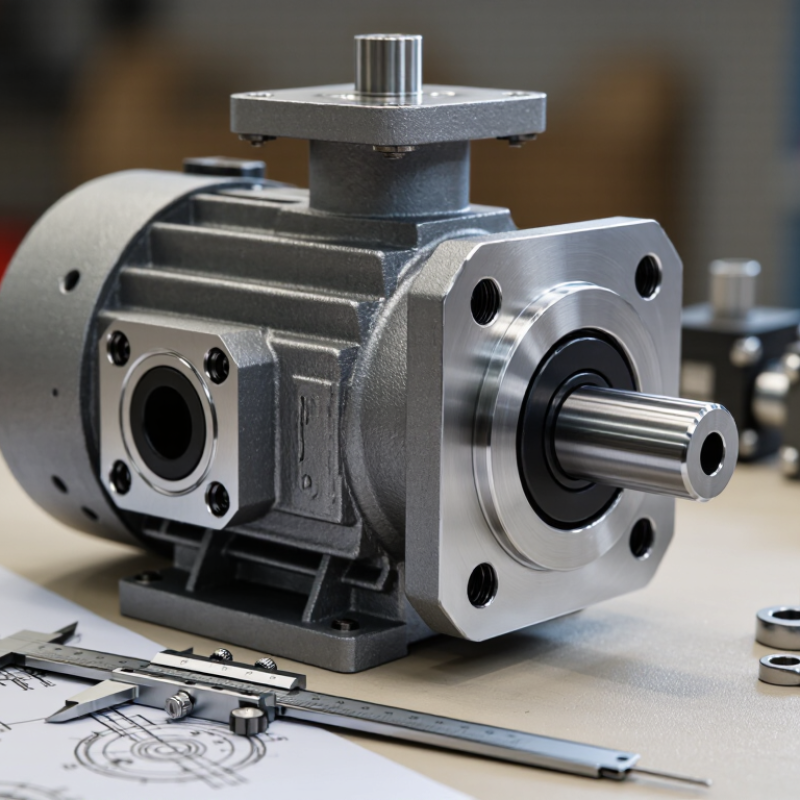
A reliable pump match begins with the identification plate, not a guess based on appearance. Record the complete model code, displacement, shaft type, mounting pattern, port positions, and rotation direction. Photograph the plate and end cover before cleaning or removing the unit. Small details matter. Two pumps can share a similar housing yet differ in control style or flow direction.
Next, document the machine’s real operating conditions. Note normal and peak pressure, shaft speed, fluid type, viscosity, and fluid temperature. Include the duty cycle and any pressure-control settings. A pump rated for the right pressure may still perform poorly if its displacement or speed does not meet the required flow. Check the technical curve for the proposed equivalent, and compare dimensions against the machine drawing. Do not rely on port size alone.
Field notes are not always tidy. If the original label is worn, confirm the code through service records or clear photographs, then verify uncertain details with a qualified hydraulic technician. Record what remains unconfirmed rather than treating an assumption as fact. A careful match should satisfy both the installation dimensions and the system’s operating limits. After fitting, monitor pressure, noise, temperature, and leakage during a controlled test.
An equivalent hydraulic pump should match the circuit’s job, not just its mounting holes. Identify the original pump type: gear, vane, or piston. Each handles flow, pressure, and control differently. Then compare displacement, usually stated in cubic centimeters per revolution, and confirm the required shaft speed. A small displacement mismatch can change actuator speed noticeably. A large one may overload the drive motor. The U.S. Department of Energy’s Improving Pumping System Performance sourcebook reports that pumping systems can use 25–50% of a facility’s energy in some industrial operations. Efficiency matters, but only when the replacement meets the machine’s actual duty.
Check continuous and peak pressure ratings separately. A pump’s maximum pressure is not necessarily suitable for constant operation. Compare inlet conditions, rotation, shaft dimensions, port locations, and control style, too. For example, a variable-displacement pump may not replace a fixed-displacement unit without circuit changes. Confirm the fluid type, operating temperature, and viscosity range against the pump documentation. The old nameplate may be worn, and maintenance records may be incomplete. That happens. Measure the existing ports and shaft, then verify the duty cycle with operating data before ordering. A short pressure test under normal load can reveal problems that a catalog comparison misses.
Choosing an equivalent pump starts with measurements, not appearance. Record the shaft diameter, keyway dimensions, and shaft extension. Check rotation direction from the specified viewing position. A shaft that looks close may still cause vibration or fail to seat correctly. Confirm the mounting flange pattern and pilot diameter against the machine drawing. Small mismatches matter.
Compare port locations, thread type, and port size. Note whether the unit uses straight or angled connections, and check available clearance for hoses. Then verify control type, pressure limits, and displacement. A pump with matching flow may still respond differently if its control arrangement or operating range differs. Compare technical documents, and ask a qualified supplier to review uncertain dimensions. I have seen one overlooked port position turn a straightforward swap into extra downtime.
Tips: Photograph the old pump before removal. Measure the shaft and flange with suitable tools, rather than estimating by eye. Confirm fluid compatibility and the machine’s actual operating conditions. Keep one detail in doubt? Pause and verify it. Guessing is rarely the faster option.
| Compatibility Dimension | What to Check | Evidence to Compare | Selection Rule | Risk if It Does Not Match |
|---|---|---|---|---|
| Pump type and displacement | Confirm the pump technology, nominal displacement, and whether displacement is fixed or variable. | Model documentation, nameplate data, and displacement in cm³/rev. For a given speed, theoretical flow in L/min is displacement in cm³/rev × rpm ÷ 1,000. | Match the required displacement and operating speed; also check the manufacturer’s flow ratings at the intended pressure and fluid viscosity. | Incorrect flow can cause slow actuators, excessive speed, overheating, or inadequate system performance. |
| Shaft and rotation | Compare shaft type, diameter, length, key or spline details, and direction of rotation viewed from the specified end. | Dimensioned shaft drawing; keyway or spline specification; rotation marking or installation documentation. Parallel keys are covered by standards such as ISO 773, where applicable. | Require the same shaft interface and rotation direction, or use a specifically approved coupling or configuration. | A shaft mismatch can prevent coupling, damage the drive, or cause the pump to operate in the wrong direction. |
| Mounting flange and pilot | Check bolt count, bolt-circle or hole spacing, pilot diameter, pilot depth, flange face, and mounting orientation. | Dimensioned interface drawings. ISO 3019-1 covers inch-series mounting flanges and shaft ends; ISO 3019-2 covers metric-series interfaces. SAE J744 is another commonly used hydraulic pump and motor interface standard. | Match the complete mounting interface, not just the number of bolts or the nominal frame description. | Misalignment can create installation problems, coupling wear, vibration, or shaft and bearing damage. |
| Port size and sealing method | Identify inlet and outlet locations, thread or flange type, port orientation, and sealing method. | Port drawing and connection standard. Examples include ISO 1179 for some BSPP-related ports, ISO 6149 for metric ports with O-ring sealing, ISO 6162 for hydraulic flange connections, and SAE J1926 for O-ring-sealed ports. | Match the connection standard, size, sealing surface, and orientation. Do not treat different thread forms as interchangeable because their nominal sizes appear similar. | Leaks, damaged threads, restricted flow, air entry, or an incorrectly connected inlet and outlet may result. |
| Pressure and speed ratings | Compare continuous and intermittent pressure limits, inlet conditions, and minimum and maximum shaft speed. | Published operating limits for the exact pump configuration, including any limits that depend on speed, pressure, or inlet pressure. | Choose a pump whose permitted operating envelope covers the machine’s actual duty cycle, including peak conditions. | Operation outside rated limits can shorten service life or cause premature failure. |
| Control type and settings | For a variable-displacement pump, identify the control function, control port arrangement, pressure setting, and any load-sensing or remote-control requirements. | Control schematic and adjustment range. Confirm whether the system requires pressure compensation, load sensing, remote pressure control, or another specific control function. | Match the control function and signal arrangement; verify settings against the machine circuit and commissioning requirements. | Incorrect control behavior can cause unstable pressure, poor response, excess heat, or failure to meet demand. |
| Fluid and installation conditions | Check fluid type, viscosity range, cleanliness requirements, case-drain needs, and installation orientation. | Pump documentation and system requirements for fluid compatibility, filtration, case drain, and allowable mounting positions. | Confirm that the selected pump is approved for the system fluid and installation conditions. | Unsuitable fluid or installation conditions can reduce lubrication, increase wear, or impair operation. |
| Final fit and commissioning | Verify dimensions and connections against drawings before installation; follow the pump maker’s filling, priming, and start-up instructions. | Approved dimensional drawings, hydraulic circuit, connection details, and commissioning procedure. | Do not rely on a model description alone. Confirm every interface and operating requirement before ordering or starting the pump. | Unverified substitutions can lead to rework, leaks, incorrect rotation, or damage during start-up. |
When choosing an equivalent hydraulic pump, compare operating data, not just the model number. Match displacement, rated pressure, speed range, rotation, shaft dimensions, mounting pattern, and port locations. A few millimeters of shaft or port mismatch can turn a quick replacement into machine downtime. Check fluid viscosity, operating temperature, seal material, and allowable pressure peaks, too. Ask suppliers for a performance curve and test conditions; identical ratings may hide different efficiency or noise levels.
Efficiency deserves attention, but use the right context. The U.S. Department of Energy’s Improving Pumping System Performance guide reports that pumping systems can account for 25–50% of energy use in some industrial plants. That figure concerns plant pumping systems, not a guarantee for any single hydraulic pump. Still, it makes measured operating efficiency worth comparing. A neat match on paper can disappoint under real load.
Tips: Send suppliers the old pump’s nameplate, clear photos, fluid details, and measured pressure and speed. Request written confirmation of fit and duty ratings. Check whether quoted flow is theoretical or measured, and ask about test tolerances. Small gaps matter. If records are incomplete, say so; an assumed match is a risk, not a specification.
How to Choose a Tokimec Equivalent Pump in 2026
A reliable replacement starts with measured operating conditions, not a catalog label. Record required flow, pressure, speed, fluid viscosity, and temperature across the full duty cycle. Then compare pump curves at the actual operating point. A similar maximum rating may hide poor efficiency or unstable performance. Small details matter.
Check the installation before ordering. Confirm shaft dimensions, rotation direction, mounting pattern, port locations, and available clearance. Match materials and seals to the fluid, temperature, and expected operating hours. If possible, ask the supplier for a dimensional drawing and written performance data. A quick bench test can reveal noise, leaks, or unexpected vibration before the pump enters service. It is tempting to assume a close fit will work; that assumption deserves another look.
After-sales support matters just as much. Ask how quickly technical staff can respond, which wear parts are stocked, and whether troubleshooting guidance is available. Clarify warranty terms and what operating records are needed for a claim. Keep the original pump’s nameplate details, photographs, and maintenance history on hand. Clear evidence makes support faster and decisions more dependable.
Verify performance, installation, and after-sales support before selecting an equivalent pump.
How to read this chart: Hydraulic output power is calculated as pressure × flow ÷ 600, using a constant pressure of 10 bar. These values are a physical calculation, not product test data; actual input power will be higher because of pump and drive losses. For a replacement, also confirm the required operating range, fluid compatibility, mounting and shaft dimensions, port configuration, and availability of technical and service support.
"*" indicates required fields