How to Choose the Best Paper Laminating Machine for Your Needs?
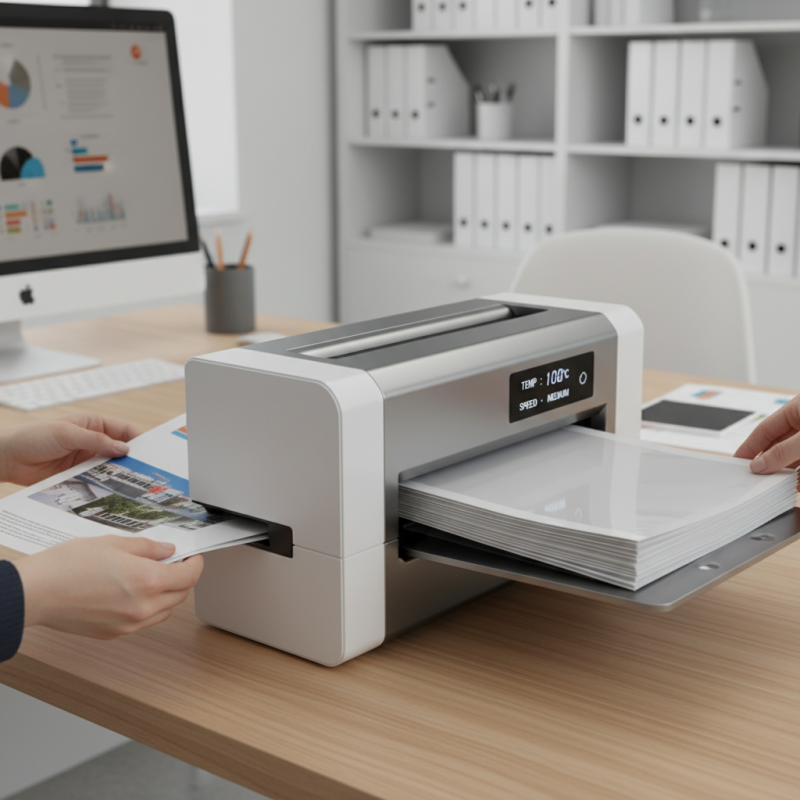
Choosing the right Paper Laminating Machine can be challenging. Experts say, "A good laminating machine is essential for quality presentation." John Smith, a laminating technology expert, highlights the importance of understanding your needs.
When considering a Paper Laminating Machine, think about your project volume. The right machine should handle both small and large tasks efficiently. Speed and finish quality matter too. Do you need gloss or matte? Each finish serves a different purpose in presentation.
Furthermore, consider durability and maintenance. Some machines are robust, designed for heavy use. Others may not hold up well under pressure. The wrong choice can lead to frustration and wasted resources. Reflect on these aspects carefully. A well-chosen Paper Laminating Machine can make a significant difference in your work.
Understanding the Different Types of Paper Laminating Machines
When selecting a paper laminating machine, understanding different types is crucial. Two primary categories exist: pouch laminators and roll laminators. Pouch laminators are perfect for small projects. They use pre-shaped pouches, offering convenience for home or office use. On average, these machines can laminate sheets up to 13 inches wide, making them suitable for standard documents.
Roll laminators, on the other hand, serve larger-scale needs. They operate with rolls of laminate film, allowing for continuous feeding of paper. This type can efficiently handle high volumes. According to industry reports, roll laminators can process around 40 feet of material per minute. This efficiency is beneficial for educational institutions and businesses with extensive laminating requirements.
Choosing between these options requires assessing your volume and type of projects. Many users overlook that pouch laminators might struggle with thicker materials. Roll laminators can be more complex, needing adjustments for different thicknesses. Understanding these nuances can help streamline your workflow, but they also reflect the varying skill levels required for different machines.
Key Features to Consider When Selecting a Laminating Machine
When selecting a laminating machine, focus on key features that align with your specific needs. One significant aspect is the laminating speed. Industry reports indicate that machines with higher speeds can laminate up to 15 feet per minute. However, faster speeds might compromise quality, especially with thicker or textured materials. Aim for a balance between speed and quality to ensure optimal results.
Another crucial feature is the laminating thickness. Most machines accommodate various thicknesses, typically ranging from 3 to 10 mils. Choosing the right thickness is important for the final product's durability. Machines that can handle thicker laminates often allow for greater versatility in project types. Yet, they may come with a steeper learning curve.
Additionally, consider the type of film used. Some machines utilize hot lamination, which produces a higher-quality finish but requires careful handling. Cold lamination might be easier to use, yet it may not provide the same longevity. An overwhelming 70% of users express dissatisfaction with machines that lack adequate film compatibility. Stay informed about these factors to make an informed purchase that meets your laminating needs.
Assessing Your Volume and Production Needs for Laminating
When choosing a paper laminating machine, it’s crucial to assess your volume and production needs. Think carefully about how often you will use the machine. If your projects are sporadic, a smaller model may suffice. For high-volume tasks, look for machines with higher output capacities.
Consider the types of materials you'll laminate. Different machines handle varying thicknesses. A standard laminating machine typically works well for documents and photos. If you're considering larger formats, ensure the machine’s specifications align with your requirements. It’s vital to balance the machine's features with your anticipated workflow.
If you run multiple projects simultaneously, think about your space and time constraints. A robust machine can save time but may require a more considerable investment upfront. Evaluate how many projects you expect to manage efficiently. Sometimes, a reliable entry-level model is a better choice for smaller operations. Reflect on what you need this equipment for, and weigh the pros and cons of each option carefully.
Budgeting: Cost Considerations for Laminating Machines
When budgeting for a laminating machine, understanding your needs is crucial. According to industry reports, prices for basic laminators can range from $100 to $500. High-end machines might exceed $1,500. The cost often reflects features, durability, and suitable materials. Determining your budget early helps narrow down options.
Consider the volume of laminating you expect. If you laminate frequently, investing in a more expensive, durable model may be wise. Machines designed for heavier use often have a longer lifespan and better performance. On the other hand, occasional users might find a lower-cost option sufficient.
It's also essential to factor in ongoing costs. Laminating pouches are required for use, and these can add up. A standard pouch for letter-sized documents costs around $0.30. Therefore, frequent laminators should include these expenses in their budget. Always weigh initial costs against long-term resources needed. Making informed decisions can enhance your laminating experience and protect your investment.
Cost Considerations for Laminating Machines
This bar chart illustrates the average costs of different types of laminating machines, ranging from entry-level to high-end options. As indicated, the costs increase significantly with the machine's capability and features.
Maintaining and Caring for Your Laminating Equipment
Proper maintenance of your laminating equipment is essential for longevity and efficiency. Regular cleaning prevents dust and adhesive buildup. After each use, wipe down rollers and trays with a soft cloth. This simple step improves performance and image quality.
Tips: Clean your laminator after every five uses. This routine keeps it in top shape. Also, check for any unusual noises during operation. If you hear something off, it’s time to inspect it further.
Another vital aspect is storing your machine correctly. Always keep it in a dry, cool area. Avoid exposing it to extreme temperatures or moisture. These conditions can shorten the machine’s lifespan.
Tips: Use a dust cover when the machine is not in use. This helps protect it from debris and scratches. It’s a small effort that can make a significant difference.
Lastly, replace worn or damaged parts promptly. Waiting can lead to more significant issues down the line. Staying proactive ensures your laminating machine remains reliable.
How to Choose the Best Paper Laminating Machine for Your Needs? - Maintaining and Caring for Your Laminating Equipment
| Feature | Description | Recommendation |
| Laminating Size | Consider the maximum width and length of the paper you will be laminating. | Choose a machine that accommodates your most common paper sizes. |
| Laminating Speed | The speed at which the machine laminates paper. | Select a faster machine for high-volume needs. |
| Type of Laminate | Choose between thermal, cold, or pressure-sensitive lamination. | Assess your projects to determine the best type of laminate. |
| Ease of Use | User-friendly controls and settings. | Look for machines with intuitive interfaces. |
| Durability | Quality of materials and construction of the machine. | Invest in a robust machine for long-term use. |
| Maintenance | Required upkeep to keep the machine functioning well. | Regular cleaning and following the manufacturer's guidelines. |
| Cost | Price range based on features and brand. | Set a budget while considering the features you need. |