Why Choose CNC Milling Machines for Your Manufacturing Needs?
When considering manufacturing solutions, the choice of technology matters significantly. CNC machine milling machines are at the forefront of this discussion. Renowned expert Tom Johnson, a veteran in precision engineering, states, “CNC milling machines provide unmatched accuracy and efficiency for complex designs.”
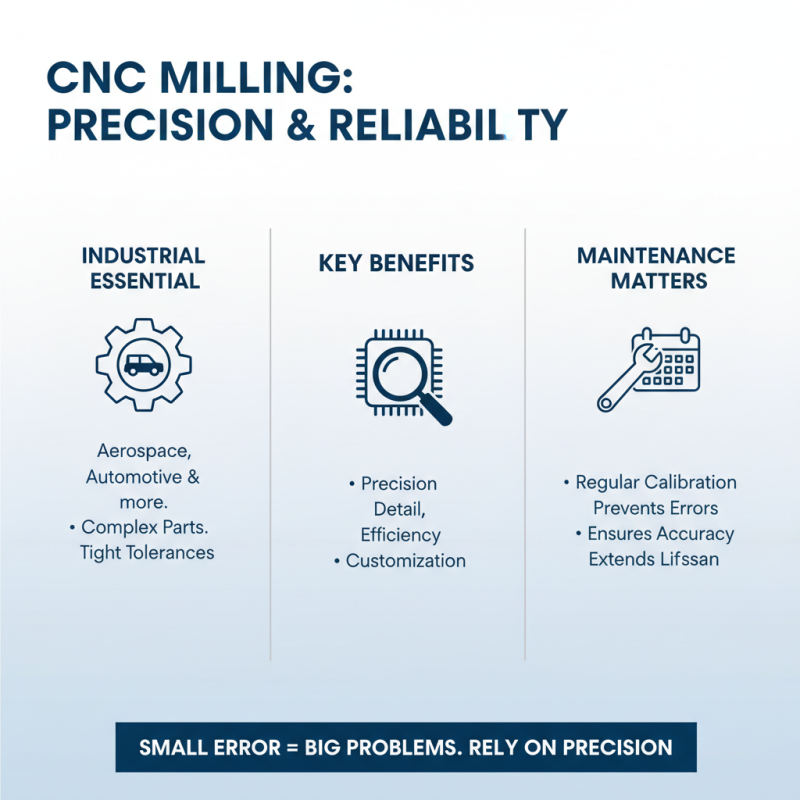
These machines excel at transforming raw materials into intricate parts. Their ability to produce consistent results often surpasses traditional methods. This precision is essential in industries such as aerospace and automotive. CNC machine milling machines offer diverse capabilities, accommodating various materials and sizes. However, the setup cost can be a concern for small businesses.
Understanding the benefits and challenges is crucial when deciding. More companies are adopting CNC technology, but some struggle with the initial investment. It raises questions about long-term profitability and efficiency. Each manufacturing need is unique, calling for tailored solutions to leverage the full potential of CNC milling technology.
Advantages of CNC Milling Machines in Modern Manufacturing
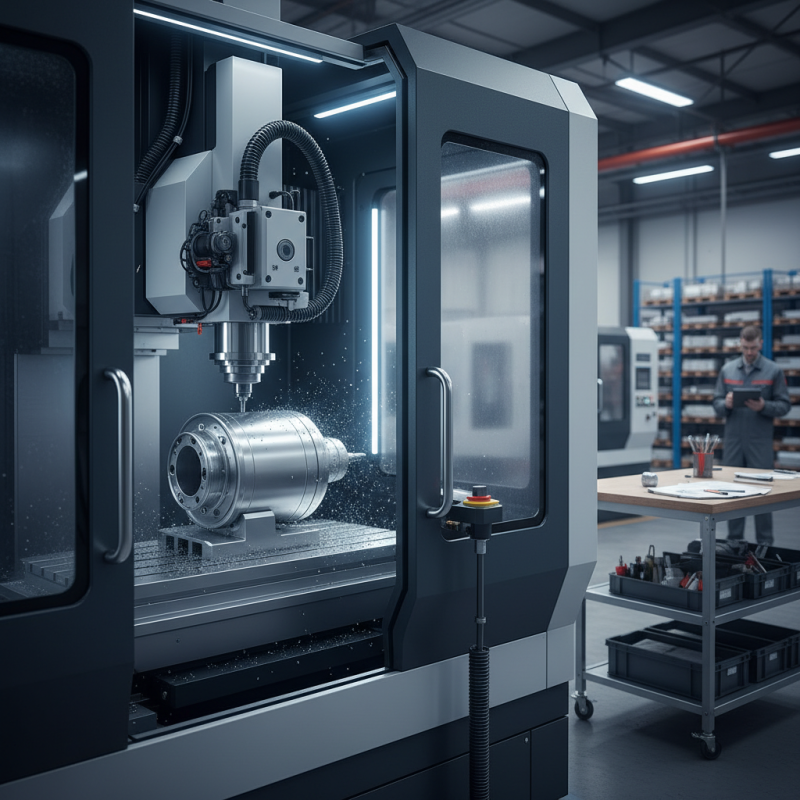
CNC milling machines have revolutionized the manufacturing industry. Their precision offers remarkable advantages. Unlike traditional methods, CNC machines use computer controls to guide the tools. This technology reduces human error significantly, leading to consistent results.
Flexibility is another key benefit. CNC machines can handle various materials, including metal, plastic, and wood. They can produce complex shapes that would be nearly impossible to achieve manually. However, this versatility requires skilled operators who understand programming. Mistakes in coding can lead to costly errors.
Efficiency is critical in modern production. CNC milling machines work faster than manual machines. They can operate tirelessly, increasing output without sacrificing quality. Still, reliance on technology poses risks. A machine failure can halt production. Regular maintenance and programming updates are essential. Operators must remain vigilant and ready to troubleshoot.
Key Features of CNC Milling Machines for Precision Engineering
CNC milling machines offer remarkable precision for various manufacturing needs. These machines have become essential in precision engineering, characterized by their advanced capabilities. According to a recent market analysis, CNC machining is projected to grow at a CAGR of 7.4% from 2021 to 2027. This growth is a testament to the industry's demand for accuracy and efficiency.
Key features of CNC milling machines include their ability to execute complex designs with tight tolerances. The typical tolerance range in CNC milling is ±0.005 inches, enabling manufacturers to achieve intricate work. These machines utilize computer numerical control, allowing for automated and repeatable actions. Even minor deviations can result in significant production issues. Thus, meticulous calibration is essential to maintain high standards.
Another important aspect is the materials utilized in CNC milling. Commonly processed materials include aluminum, brass, and engineering plastics. Each material requires specific machining parameters. For instance, machining aluminum often involves higher speeds than plastic. However, not all machines can handle diverse materials effectively. This limitation can restrict the versatility of production. Continuous training is necessary to keep operators updated on these evolving technologies.
Why Choose CNC Milling Machines for Your Manufacturing Needs? - Key Features of CNC Milling Machines for Precision Engineering
| Feature |
Description |
Advantages |
| Precision |
CNC milling machines can create parts to extremely tight tolerances. |
High accuracy improves product quality and reduces waste. |
| Automation |
CNC machines can operate continuously with minimal human intervention. |
Increases productivity and speeds up production times. |
| Versatility |
Capable of machining a wide variety of materials and shapes. |
Can cater to diverse manufacturing needs across industries. |
| Complex Geometries |
Can produce intricate designs that are difficult to achieve manually. |
Allows for innovation in design while maintaining functionality. |
| Cost-Effectiveness |
Reduces labor costs and minimizes errors during manufacturing. |
Long-term savings and competitive pricing for products. |
Cost-Effectiveness of CNC Milling in Production Processes
CNC milling machines offer significant cost-effectiveness for manufacturers. The precision of these machines reduces waste materials. When parts are produced accurately, fewer mistakes occur. This accuracy often translates into better product quality. Quality can lead to customer satisfaction and repeat business, which is essential for growth.
Moreover, CNC milling is efficient. Automated processes minimize labor costs. Operators can monitor multiple machines. This reduces the need for a large workforce. However, initial investment can be high. Companies must weigh this against long-term savings. Balancing cost against efficiency can be challenging.
There are also hidden costs. Maintenance and technical expertise are necessary. If machines break down, production may halt. Training staff to operate these machines is another factor. Companies must keep refining their processes to maximize benefits. Overall, CNC milling offers potential savings, but execution matters.
Future Trends in CNC Milling Technology and Innovations
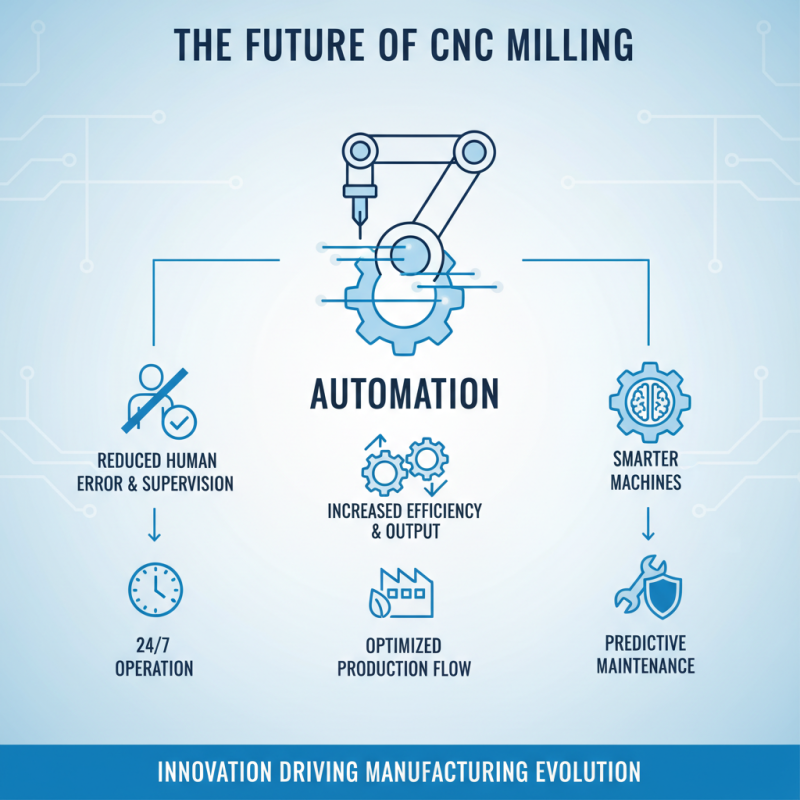
As CNC milling technology continues to evolve, manufacturers can expect exciting innovations. Automation is becoming a focal point. This reduces human error and increases efficiency. Machines can now work around the clock. They require less supervision and maintenance. This is transforming how production lines operate.
In the near future, we may see increased use of artificial intelligence. AI can optimize machining processes, enhancing quality control. Predictive maintenance will become more common, reducing downtime. However, companies must be prepared to adapt to these changes. Not every manufacturer is equipped to handle AI integration smoothly.
**Tips:** Always evaluate how new technology aligns with your production goals. Being flexible can aid in the transition process. Embrace training for your staff; this will ease the shift to advanced systems. Additionally, monitor trends closely. Technology can become obsolete quickly, so staying informed is crucial for success.