How to Choose the Right Industrial Ball Valve Manufacturer?
In the world of Industrial Ball Valve Manufacturing, selecting the right manufacturer is critical. According to a report by MarketsandMarkets, the global valve market is projected to reach USD 93.56 billion by 2025. This growth emphasizes the importance of choosing a reliable partner in this competitive landscape. Many industries, including oil and gas, power generation, and water treatment, rely heavily on high-quality valve systems.
Understanding the nuances of industrial ball valves is essential. Valves must meet stringent quality standards. They need to endure high pressures, corrosive environments, and constant operational demands. Manufacturers must possess advanced technology and a commitment to quality. However, some companies may not provide adequate testing or certification, leading to safety risks.
A reliable manufacturer should offer more than just products. Look for expertise and a proven track record. Many manufacturers fail to prioritize customer service and after-sales support. This can result in issues during installation or maintenance. Thorough research and careful selection can mitigate these concerns, ensuring a better operational performance in the long run.
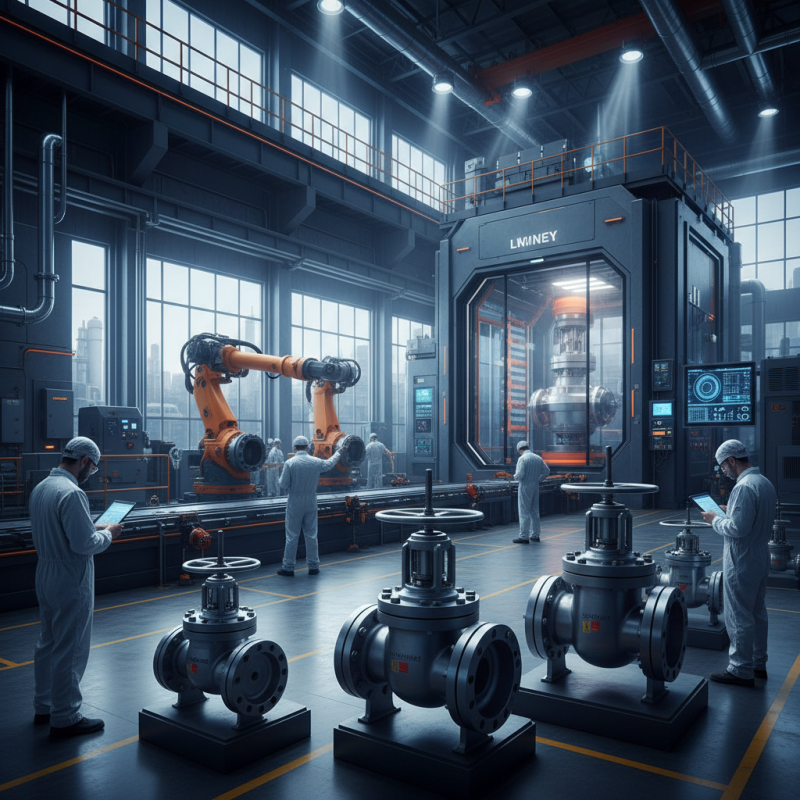
Understanding Industrial Ball Valves and Their Applications
Industrial ball valves play a crucial role in various applications, from oil and gas to water treatment. These valves are designed for durability and reliability. They function by allowing or blocking flow through a spherical disc. The design makes them suitable for high-pressure systems. They can seamlessly regulate the flow of liquids and gases.
Choosing the right industrial ball valve involves understanding specific needs. Not all ball valves are interchangeable. Materials and construction vary widely. Factors like pressure, temperature, and fluid type should guide your choice. For instance, a corrosive environment may require specialized coatings. Sometimes, even minor details can significantly impact performance.
It's essential to analyze your current systems and discuss possibilities with experts. The wrong choice may lead to failures or inefficiencies. Exploring different valve designs helps uncover potential issues. Manufacturers often provide application guides, yet always verify their claims. Trust but verify the information for optimal performance and safety.
Key Factors to Consider When Choosing a Manufacturer
When selecting an industrial ball valve manufacturer, it's essential to evaluate several key factors. Quality assurance is crucial. An emphasis on stringent quality controls can mitigate risks. According to industry reports, about 30% of valve failures are due to manufacturing defects. Reliability in production standards is non-negotiable. Manufacturers must demonstrate compliance with ISO certifications, reflecting their commitment to excellence.
Next, consider the manufacturer's experience and expertise. A company with over a decade in the industry is likely to have a deep understanding of market needs. Data shows that experienced manufacturers often have a higher customer satisfaction rate, sometimes exceeding 80%.
Additionally, look for innovative designs and materials. For instance, advances in corrosion-resistant alloys can enhance valve longevity in harsh environments.
Lastly, assess the manufacturer's customer service. Quick response times can indicate a manufacturer who values clients. Companies with weak support systems may leave you stranded during critical periods. This could lead to substantial project delays. A balance of technical knowledge and responsive service can be the hallmark of a reputable manufacturer. Always remain skeptical and conduct thorough research to find the best fit for your needs.
Evaluating Manufacturer Credentials and Industry Reputation
When choosing an industrial ball valve manufacturer, evaluating their credentials is crucial. Look for certifications that validate their quality management. ISO certifications can signify that a manufacturer maintains high standards. Verify their manufacturing processes and materials used in production. These factors directly impact the product’s performance and reliability.
Industry reputation is equally important. Research customer feedback and case studies. A manufacturer with a solid reputation often has a track record of satisfied clients. Check industry forums for unbiased opinions. Sometimes, it helps to visit the facility. Seeing the operation firsthand can provide valuable insights into their capabilities.
Consider their experience in your specific sector. A manufacturer might excel in one area but lack expertise in another. This can lead to mismatched expectations. Assess their ability to customize solutions for your needs. Remember, a reactive supplier can lead to delays and frustrations. Do not shy away from asking tough questions. Their responses will reveal a lot about their reliability.
Comparing Materials and Design Options Offered by Manufacturers
When selecting an industrial ball valve manufacturer, it’s essential to evaluate the materials they use. Common materials include carbon steel, stainless steel, and titanium. Each material has unique properties, influencing corrosion resistance and pressure handling. A manufacturer that offers multiple materials allows you to choose an optimal solution for your specific application.
Design options also play a critical role. Some manufacturers focus on specialized designs such as trunnion-mounted or floating ball valves. Each design provides different advantages in terms of pressure, flow characteristics, and maintenance needs. Understanding these differences allows you to align your decision with your operational requirements.
Be mindful that not every material or design will suit your application perfectly. Sometimes, the best choice may involve a trade-off. Ensure you consider the specific conditions your valve will face. Engage with manufacturers who offer customization options. This can lead to a more effective and reliable valve solution tailored to your needs.
Post-Purchase Support and Warranty Considerations
Choosing the right industrial ball valve manufacturer is crucial for operational efficiency. Post-purchase support and warranty are vital aspects to consider. A reliable manufacturer should offer comprehensive after-sales support. This includes assistance during installation and maintenance.
Consider how long the warranty lasts. A solid warranty reflects confidence in the product. It’s essential to understand what the warranty covers. Some may only cover manufacturing defects. Others might also include parts and labor. Ask about the process for warranty claims. Clarity prevents future frustration.
Tip: Check online reviews to gauge user experiences. Feedback from other customers can reveal a lot. Also, engage directly with the manufacturer’s support team. Assess their response time and willingness to help. This will inform your choice and ensure ongoing support.