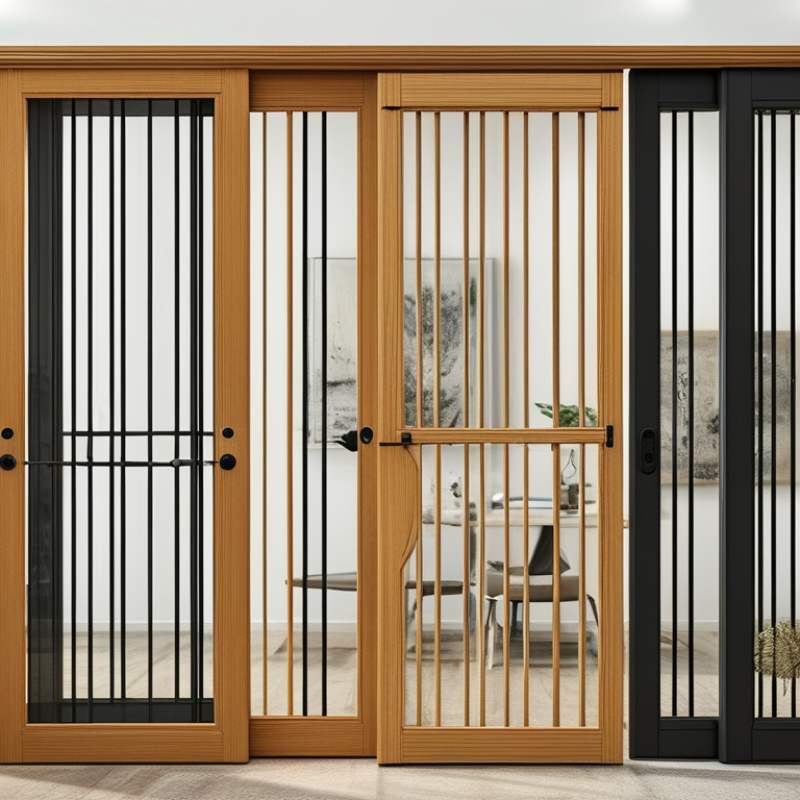
How to Choose the Right Screen Door Parts for Your Needs?
Choosing the right screen door parts requires careful consideration. The various components can significantly impact functionality and aesthetics. Understanding your specific needs is crucial. For example, the choice between a sliding screen or a hinged screen affects ease of use.
Quality matters when selecting screen door parts. Durable materials will ensure longevity, while cheaper options may lead to frequent replacements. It's frustrating to find a part that doesn't fit. Measurements should be accurate to avoid future issues.
Customization options also play a vital role. Some homeowners prefer a particular style or color. Finding parts that match your home is important for visual harmony. However, availability can be a challenge, leading to delays. Researching reliable suppliers can save time and enhance your overall experience. Keep these factors in mind as you make your decisions.
Understanding Different Types of Screen Door Parts Available in the Market
When selecting screen door parts, it’s crucial to understand the various types available. There are several components that contribute to a functional screen door. From frames to mesh materials, each piece serves its unique purpose. The choice of material can determine durability and ease of use. For instance, aluminum frames are lightweight yet sturdy. Fiberglass mesh offers excellent visibility and airflow while resisting tears.
Another important aspect is the type of screen door hardware. Handles and latches come in different styles and finishes. Choosing the right hardware can enhance usability and security. Springs and roller mechanisms also play a key role. They ensure smooth sliding and closing of the screen door. If these parts fail, the door may not function properly. It’s vital to regularly inspect these components for wear and tear.
In addition, consider local climate factors. If you live in a humid area, corrosion-resistant parts are essential. Conversely, in dry climates, materials that withstand sun exposure may be necessary. Reflecting on your specific needs can help in selecting the right parts. It’s a process that might require a few adjustments along the way. Making the right choice can lead to significant improvements in your screen door’s performance.
Evaluating Your Specific Needs for Screen Door Functionality and Aesthetics
When choosing screen door parts, understanding your specific needs is crucial. Evaluate how often you use the door. A frequently used screen may need more durable materials. A report from the Door and Window Manufacturers Association indicates that over 70% of homeowners prioritize durability in screen doors. This reflects a growing trend toward practical solutions that withstand daily use.
Consider the aesthetics as well. Screen doors now come in various styles, colors, and finishes. According to a recent survey, 60% of homeowners express a strong preference for attractive designs that complement their home. While functionality is critical, aesthetic appeal should not be overlooked. A beautiful screen door enhances the entrance of your home and can significantly elevate your property's curb appeal.
Reflect on installation requirements. Some parts may seem straightforward but can present challenges. Seeking professional advice can save time and frustration. Additionally, minor adjustments may be needed after installation to ensure the perfect fit. Understanding these aspects can prevent future hassles and make the process smoother.
Key Factors to Consider When Selecting Screen Door Hardware and Accessories
When selecting screen door hardware, consider functionality and durability. The majority of homeowners prefer adjustable screen door parts. A recent report indicated that about 75% of buyers value ease of installation. High-quality materials are essential for long-term use. Aluminum and fiberglass are popular choices, offering strength without excessive weight.
Another crucial factor is compatibility with existing door frames. Nearly 30% of replacements fail due to poor fit. Measure the dimensions accurately before purchasing. Look at hinge types and locking mechanisms, as they influence both security and ease of use. Opt for weather-resistant finishes to enhance longevity, especially in humid climates.
Lastly, consider aesthetic appeal. The design should complement your home style. Many consumers appreciate a seamless integration with exterior decor. However, finding the right balance between style and functionality can be challenging. Reflect on personal preferences while being open to practical improvements.
Comparing Material Options for Durability and Weather Resistance in Screen Doors
When selecting screen door parts, the material is crucial for both durability and weather resistance. Common materials include aluminum, fiberglass, and wood. Aluminum is lightweight and resistant to rust, making it ideal for humid environments. Data shows that aluminum screen doors can last up to 20 years with proper care. However, they can dent easily and may not offer the same aesthetic appeal as wood.
Fiberglass screens are increasingly popular due to their strength and flexibility. They resist fading, sagging, and corrosion. Reports indicate that fiberglass doors can survive extreme weather conditions better than their metal counterparts. Some users, however, have noted that installation can be challenging if proper tools aren't used.
Wood, while beautiful, requires regular maintenance to withstand the elements. This can deter some homeowners. Statistics reveal that untreated wood screen doors have a lifespan of approximately 5 to 10 years, depending on climate conditions. Ultimately, choosing the right material involves weighing aesthetics against functionality and maintenance needs. Each option has strengths and weaknesses which must be considered carefully to meet specific needs.
Tips for Installing and Maintaining Your Chosen Screen Door Parts Effectively
When installing screen door parts, proper maintenance is essential. According to a report by the American Institute of Architects, nearly 40% of homeowners struggle with screen doors not functioning properly due to inadequate upkeep. Regular inspection can prevent costly repairs and extend the lifespan of your screen door.
To ensure longevity, clean your screen door regularly. Use mild soap and water. Avoid harsh chemicals. Dust and debris can accumulate, leading to clogs or mechanical failures. Tighten screws and hinges periodically to keep everything secure. A well-maintained door can function smoothly and enhance your home’s aesthetics.
Consider the weather conditions in your area. For homes in humid environments, rust-resistant materials are crucial. In areas with high winds, you might need stronger frames. Each element of your screen door should work together effectively. Misalignment can cause drafts or pests to enter. Address these issues quickly to maintain comfort and safety. Keep an eye out for these factors, and you’ll find that proper care is worth the effort.