
Learn more about how Trevisan’s Horizontal Machining Centers can help you minimize set up time and labor costs.

How to Choose the Best Solvent Adhesive in 2026

Choosing the right Solvent Adhesive in 2026 is less about picking the strongest label and more about matching the product to the job. A bond that works well on rigid plastic may fail on foam, coated fabric, or a surface carrying dust and oil. Small details matter. Substrate type, joint design, temperature, and application method can all change the result.

This guide explains how to compare adhesives by bond strength, open time, drying behavior, and resistance to moisture or heat. It also looks at practical limits, including ventilation needs and compatibility with sensitive materials. Check the manufacturer’s technical data and safety information before use; product names alone rarely tell the whole story. A small test on a discreet area can reveal problems before they affect a larger project.

There is no single best choice for every workshop or repair. A fast-setting formula may save time, yet leave little room to reposition parts. A slower one may suit careful assembly, though it can delay handling. That trade-off is easy to underestimate. Even a careful selection can disappoint when surfaces are poorly prepared or conditions differ from the product’s stated range. The aim here is not to promise a perfect bond, but to help you make a better-informed choice—and recognize when the evidence is still incomplete.
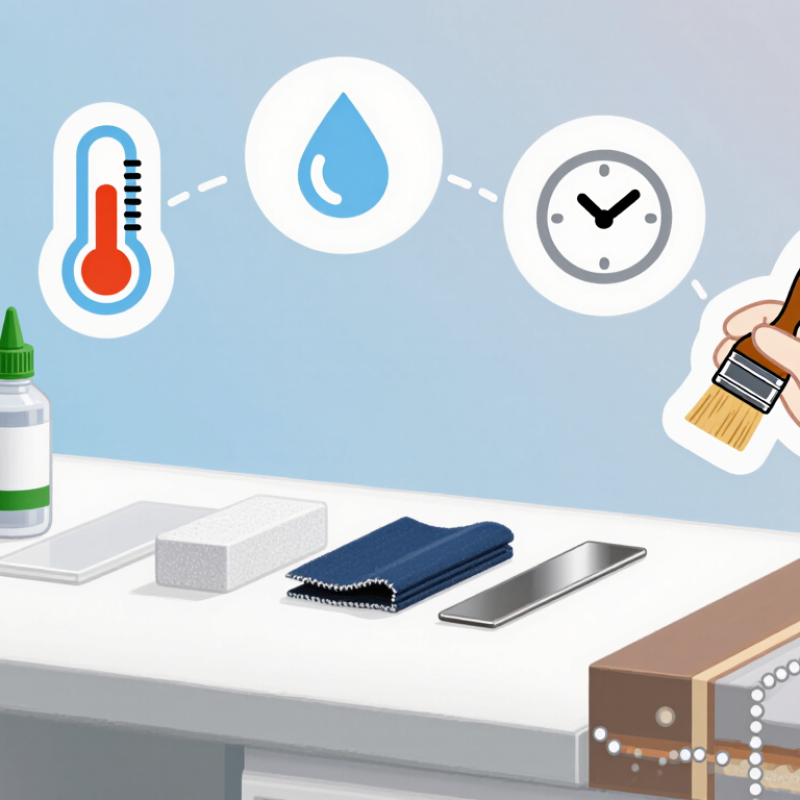
How to Choose the Best Solvent Adhesive in 2026

Define the Application and Performance Requirements

Before choosing a solvent adhesive, define what the bond must do in its actual setting. List the materials, contact area, expected load, and exposure to heat, moisture, oils, or cleaning agents. For example, a small joint between rigid plastic panels may need different flexibility and impact resistance than a fabric-to-metal assembly. Check whether either surface is porous, coated, or sensitive to solvents. Small details matter.

Next, set practical process requirements. Decide how much open time workers need, how the adhesive will be applied, and when the assembly must handle load. Specify acceptable cure time, bondline thickness, and appearance, such as whether squeeze-out is acceptable near a visible edge. A stronger bond is not always the right choice if the substrate cracks or distorts. This tradeoff is easy to underestimate. Confirm performance with tests on the actual materials, not just similar samples, and follow the product’s technical and safety documentation.

Tips: Write a short requirements sheet before comparing products. Include substrate names, service temperature, load direction, and production pace. Test samples after full cure, then expose them to realistic conditions. If results vary, review surface preparation and application consistency before changing the adhesive. That step is often overlooked.

How to Choose the Best Solvent Adhesive in 2026

Define the Application and Performance Requirements

How to use this chart: Solvent volatility can influence evaporation and assembly time, so consider it alongside substrate compatibility, required open time, bond-line thickness, service conditions, and safety requirements. Boiling points are for pure solvents—not adhesive products—and do not alone predict an adhesive’s drying or bonding performance.

Approximate normal boiling points at 1 atm. Source: NIST Chemistry WebBook. Solvents shown may be used in some solvent-based adhesive formulations.

Identify the Materials and Check Solvent Compatibility

Identify every layer before choosing a solvent adhesive: the substrate, coating, primer, and any nearby seal. A clear plastic may craze, while a painted metal panel may soften at its finish. Looks can mislead. Check the adhesive’s technical data and the material supplier’s compatibility guidance, especially for plastics, elastomers, and coated surfaces.

Solvent choice also affects open time and drying. The NIST Chemistry WebBook lists boiling points of about 56.05°C for acetone, 82.6°C for isopropanol, and 110.6°C for toluene. These figures help compare volatility, but they do not predict bond performance alone; airflow, temperature, and formulation matter. A fast-evaporating solvent can skin over before a close-fitting joint is assembled. That can be easy to miss.

Test the actual materials, not just a similar sample. Apply a small amount to an inconspicuous area, then inspect for whitening, swelling, tackiness, or fine cracks after the solvent has evaporated. For a bond trial, follow ASTM D1002 or another suitable test method, and record cure time and conditions. A compatibility chart is a useful starting point, not a guarantee. Even careful screening can miss a coating variation, so leave room to revise the choice.

How to Choose the Best Solvent Adhesive in 2026 — Identify the Materials and Check Solvent Compatibility

Material to Bond Typical Best-Fit Adhesive Approach Solvent Compatibility Check General Suitability Key Selection Notes
Rigid PVC (polyvinyl chloride) Solvent cement formulated for rigid PVC pipe or sheet Formulations commonly use solvents such as tetrahydrofuran (THF), often with other solvents. Confirm the product is specifically rated for the PVC type and application. Good when correctly specified Solvent cement softens and fuses compatible PVC surfaces. Use only for the listed material and service conditions; pipe systems may require compliance with applicable plumbing or pressure standards.
ABS (acrylonitrile butadiene styrene) Solvent cement specifically formulated and labeled for ABS ABS cements may contain solvents such as acetone, methyl ethyl ketone (MEK), or THF, depending on the formulation. Check the technical data sheet for material approval. Good when correctly specified Do not assume PVC cement is suitable for ABS, or vice versa. For mixed-material joints, use a product explicitly approved for both substrates.
Acrylic (PMMA) Purpose-made acrylic solvent-bonding product or a compatible structural adhesive Some strong solvents can attack, craze, or weaken acrylic. Check the adhesive maker’s compatibility guidance and test on a representative sample. Product-dependent Bond quality depends on grade, surface condition, joint design, and stress. Avoid choosing a solvent by name alone; a solvent that dissolves acrylic may also cause visible damage or stress cracking.
Polystyrene (PS) Solvent cement specifically intended for polystyrene Several ketone and aromatic solvents can attack polystyrene. Verify that the selected formulation is intended for the exact polystyrene grade and assembly. Good for compatible grades Solvent attack can be rapid and may deform thin or stressed parts. Test fit and appearance on scrap material before production use.
Polycarbonate (PC) Adhesive specifically qualified for polycarbonate; consider a non-solvent system where appropriate Many ketones, aromatic solvents, and chlorinated solvents can cause crazing or stress cracking. Seek documented PC compatibility rather than relying on general plastic compatibility. Solvent bonding often risky Residual molding or assembly stress increases the chance of cracking. Validate the complete process—including cleaning, bonding, and exposure—on the actual grade.
Polyethylene (PE) or polypropylene (PP) Adhesive designed for low-surface-energy plastics, or an appropriate mechanical joining method Common solvent adhesives generally do not reliably bond untreated PE or PP. Check whether the adhesive requires surface treatment or a specialized primer. Usually poor without preparation These plastics have low surface energy. Flame, plasma, or corona treatment may help when suitable and controlled, but the adhesive and process must be validated together.
Flexible PVC Adhesive specifically rated for flexible PVC and its plasticizer content Solvents may soften the PVC, while plasticizers can migrate and weaken some adhesive bonds over time. Check long-term compatibility and flexibility requirements. Formulation-dependent Use a product rated for flexible—not just rigid—PVC. Confirm resistance to aging, temperature, and any fluids or cleaning agents in service.
Metal to metal Solvent-based contact adhesive for suitable light-duty applications, or a structural adhesive matched to the load Solvent carrier compatibility is not the same as structural suitability. Confirm adhesion to the metal finish and allow the specified solvent evaporation before assembly. Application-dependent Solvent does not fuse metals. For load-bearing joints, assess joint geometry, surface preparation, temperature, vibration, and the adhesive’s tested strength.
Rubber (natural or synthetic) Rubber contact adhesive or rubber-bonding adhesive matched to the rubber type Solvent blends vary. Some solvents can swell or extract components from rubber; check compatibility with the specific elastomer, such as EPDM, nitrile, or natural rubber. Elastomer-specific Identify the rubber formulation and required flexibility. Test for swelling, tack changes, and bond durability after full cure and exposure to service fluids.
Mixed substrates (for example, plastic to metal) Adhesive explicitly rated for both materials; a solvent-based contact adhesive may suit some flexible, light-duty joints Check solvent resistance for the more sensitive substrate, including coatings, inks, and plastic additives. Do not assume compatibility based on only one side of the joint. Test the full joint Confirm the adhesive’s load, temperature, moisture, and aging ratings. Prepare each surface using the adhesive manufacturer’s instructions.

Selection reminder: Compatibility varies by material grade, adhesive formulation, surface treatment, and service conditions. Review the current technical data sheet and safety data sheet, test representative parts before use, and provide suitable ventilation and personal protection. Solvent compatibility alone does not establish bond strength or suitability for a particular application.

Compare Adhesive Types, Formulations, and Curing Methods

Choosing the best solvent adhesive starts with the materials, not the label. Acrylic formulations often suit outdoor exposure and aging resistance; rubber-based types can provide quick tack on flexible surfaces. Polyurethane options may bond dissimilar materials, but require careful checks for flexibility and cure conditions. Small details matter. A glossy plastic panel and a porous fabric behave very differently.

Formulation affects viscosity, solids, open time, and final bond strength. Higher solids may reduce the amount of solvent that must evaporate, but they do not guarantee a stronger joint. Grand View Research valued the global adhesives market at about US$72.3 billion in 2023 and forecast 5.3% annual growth from 2024 to 2030. That broad market figure signals varied applications, not that one adhesive fits all. Curing usually relies on solvent evaporation; airflow, temperature, coating thickness, and substrate porosity all change the wait. Heat may speed drying, yet too much can distort thin parts. Test a small sample. Check the bond after full cure, not just when the surface feels dry. It is easy to overlook that difference.

Evaluate Strength, Safety, and Environmental Requirements

How to Choose the Best Solvent Adhesive in 2026
Evaluate Strength, Safety, and Environmental Requirements

Solvent adhesive choice should start with the joint, not the label. Check the materials, surface finish, load direction, and service temperature. A rigid bond may suit a small metal bracket, while flexible plastics may need an adhesive that tolerates movement. Review technical data for strength and cure time, then test a sample under realistic conditions. Strength figures depend on preparation and test methods. They are not guarantees.

Read the safety data sheet before opening the container. Plan ventilation, gloves, eye protection, and safe storage for the work area. Pay attention to vapor warnings and ignition sources; an open window may not provide adequate airflow. Check environmental requirements too. Compare volatile organic compound information, packaging size, and disposal guidance. Buy only what the job needs. Local waste rules can differ, so confirm the right disposal route with a qualified waste provider.

Tips: Clean and dry surfaces, measure components accurately when required, and record room temperature and cure time. A quick test may reveal weak edges or whitening. Small details are easy to miss.

Test Candidate Adhesives and Confirm Product Specifications

Choosing a solvent adhesive should begin with the actual joint, not a promising label claim. Prepare identical coupons from the production materials, and record surface finish, cleaning method, adhesive amount, and cure time. Test candidates at the expected service temperature and after exposure to moisture or oils. A result from clean, room-temperature samples may not predict performance on a dusty factory line. Small details matter.

Use a recognized method where it fits. ASTM D1002 measures apparent shear strength of adhesive bonds between metal substrates; ASTM D903 measures peel resistance. These methods help compare samples, but neither alone proves suitability for every joint geometry. The 2024 Grand View Research market report estimated the global adhesives and sealants market at about US$77.7 billion in 2023. That broad figure is not a performance measure, but it underscores the range of products and applications behind generic descriptions. Ask suppliers for current technical data sheets, safety data sheets, and test conditions. Confirm solids content, viscosity, open time, cure schedule, and substrate limits against your own specification. Keep the record. A tidy lab result can still mislead if the production surface differs; that is an easy gap to overlook.

Scroll to Top
Scroll to Top