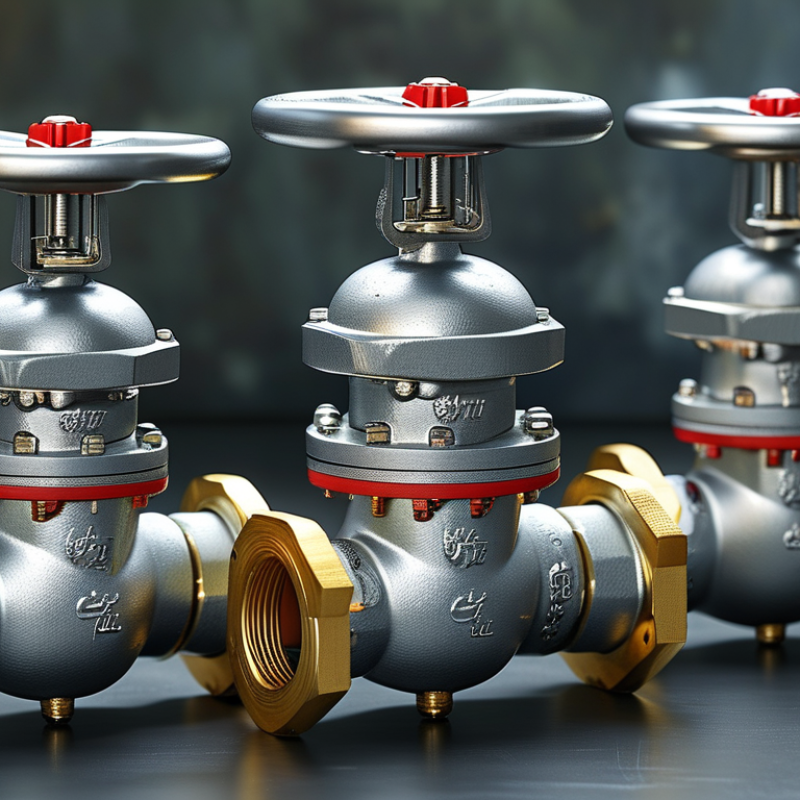
Top 5 Tips for Choosing the Right Ball Valve for Your Needs?
Choosing the right Ball Valve for your applications is crucial. As noted by industry expert John Smith, “The right ball valve can enhance efficiency significantly.” Understanding your specific needs is key to making a wise choice.
There are many factors to consider. Materials, sizes, and pressure ratings all play a vital role. Selecting the wrong valve could lead to inefficiencies or even failures. This process can feel daunting, as the right decision impacts performance directly.
Take your time to evaluate each option. Research thoroughly and consult with professionals. Remember, a well-chosen ball valve not only serves its purpose but also ensures long-term reliability. Don’t rush; your choice matters.
Understanding the Different Types of Ball Valves Available
Choosing the right ball valve involves understanding the various types available.
There are three primary types: floating, trunnion-mounted, and integrated. Floating ball valves utilize a ball that is held in place by the pressure of the fluid. This design is ideal for low to medium pressure applications. In contrast, trunnion-mounted ball valves feature a fixed ball. They are designed for high-pressure systems, providing excellent sealing.
When selecting a ball valve, consider your application needs. A recent industry report suggests that over 45% of valve failures are linked to improper selection. Make sure to assess the fluid type, temperature, and pressure parameters. It helps in avoiding costly failures.
Tip: Always opt for valves with robust material construction tailored to your specific environment. Stainless steel is popular for its resistance to corrosion and durability. Another important aspect is the valve size. Even a slight miscalculation can lead to inefficiencies in your system.
Pressure ratings also matter. Most industries rely on ASME/ANSI standards to determine suitability. Ensure the valve’s rating matches your system requirements. This step minimizes risks and operational issues. Take the time to research; it pays off in the long run.
Key Factors to Consider for Valve Size and Application
Choosing the right ball valve can significantly impact your system's efficiency and reliability. Key factors to consider include valve size and application. Ensuring the valve fits your needs means assessing the system's fluid characteristics and operational conditions.
Tip: Always account for the type of fluid. Is it corrosive or abrasive? This will guide the selection of materials for the valve. Understanding fluid dynamics can prevent future leaks or failures.
Another consideration is the size of the piping. A mismatch can lead to inefficient flow or excessive pressure drops. Measure your existing piping carefully. It’s essential to evaluate the flow rate requirements. Failures in this area often stem from underestimating the necessary parameters.
Tip: Consult with industry experts when in doubt. They can provide insights that prevent costly mistakes. Remember that using the right valve can enhance performance. But if incorrectly sized, it may lead to inefficiencies.
Material Selection for Durability and Compatibility Needs
When selecting a ball valve, material choice is critical for both durability and compatibility. The right material can significantly affect performance. For example, stainless steel is widely recognized for its strength and corrosion resistance. According to industry reports, over 60% of valve failures are due to material degradation. Using the wrong material can lead to costly downtime and safety hazards.
For achieving optimal performance, consider the fluid type and operating conditions. For corrosive liquids, materials like PVC or CPVC can be suitable, offering chemical resistance. In volatile environments, options like carbon steel or alloy materials might be preferred. Evaluate the temperature and pressure ratings, as these factors directly impact material selection. Ensure the chosen material meets the industry standards for your application.
Tip: Always verify compatibility with the specific fluids in your system. Each material has its limitations. A thorough understanding of these can prevent mishaps.
The lifespan of a valve often hinges on material integrity. It's essential to consult resources from reliable engineering bodies. This will help you navigate the complexities of valve selection effectively. Remember, a well-informed choice supports both functionality and longevity in your operations.
Evaluating Pressure and Temperature Ratings for Optimal Performance
When it comes to selecting a ball valve, pressure and temperature ratings are crucial. These ratings help determine the valve's suitability for specific applications. According to industry reports, approximately 70% of valve failures occur due to improper pressure or temperature handling. This statistic highlights the need for careful evaluation.
Understanding the maximum operating pressure is essential. For instance, a valve rated for 150 psi might fail under high pressure. Many systems also operate at elevated temperatures. Valves must withstand these without leaking or losing integrity. The best practice is to choose a valve with ratings exceeding your system's requirements.
Moreover, consider the material of the valve. Materials like stainless steel or brass offer different performance levels based on temperature and pressure. A recent study showed that over 60% of users reported improvements in system reliability when using appropriately rated materials. Therefore, knowing the specific needs of your application is vital. Missteps in material selection can cost time and money, with repairs often overwhelming initial investment costs.
Assessing Manufacturer Reputation and Warranty Options
When choosing a ball valve, evaluating the manufacturer's reputation is crucial. A reliable manufacturer typically boasts a proven track record. Check for industry certifications and standards compliance. This information indicates reliability and quality. Positive reviews from other customers can also offer insight into their experiences. It’s wise to look for testimonials detailing long-term use and performance.
Considering warranty options is another key factor. A strong warranty reflects manufacturer confidence in their products. It assures you of support if issues arise. Analyze the warranty terms carefully. A lengthy warranty period often signifies the valve's durability. However, read the fine print. Some warranties have conditions that may limit your coverage. It is essential to seek clarity on these aspects.
Don't forget to compare multiple manufacturers before making a decision. This allows you to weigh different reputations and warranty offerings. You might find unexpected disparities in product quality. Take notes on what matters most to you. Be ready to reassess your choices based on your findings.