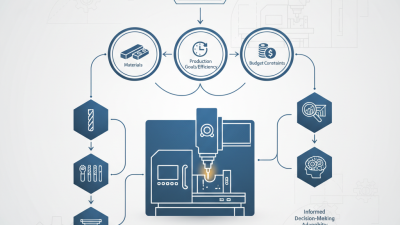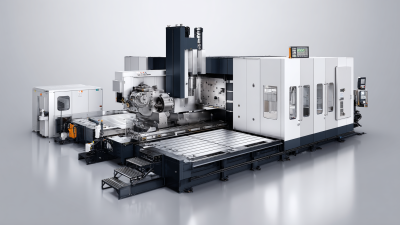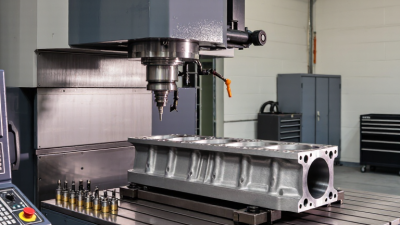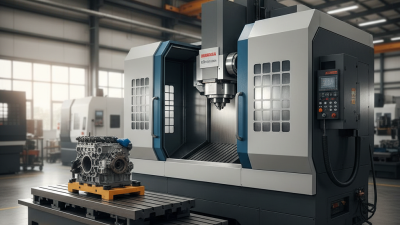
Choosing a cnc boring mill is not a simple contest of spindle power or price. The right machine must match the parts, tolerances, materials, and workload it will actually face. A mill boring large castings needs a different configuration from one finishing compact components in short production runs. Floor space, foundation strength, tooling access, and operator skill matter, too.
Quality pioneer Joseph M. Juran offered a useful decision principle: “Without a standard, there is no logical basis for making a decision or taking action.” For a machine-tool purchase, that means defining measurable needs before comparing brochures. Record the largest workpiece, required boring diameter, travel, accuracy, and expected cycle time. Ask suppliers how they verify accuracy, what support they provide, and which options are included. A quoted price can hide important differences.
This guide explains how to weigh horizontal and vertical configurations, spindle performance, table capacity, control systems, and service requirements. It also considers the less obvious details: chip removal around a deep bore, loading clearance beside a fixture, and access for maintenance. These details are easy to overlook. The decision is rarely perfect; production needs can change, and published specifications do not tell the whole story. Use the checklist to compare machines against real jobs, then confirm critical requirements with a qualified supplier before committing.
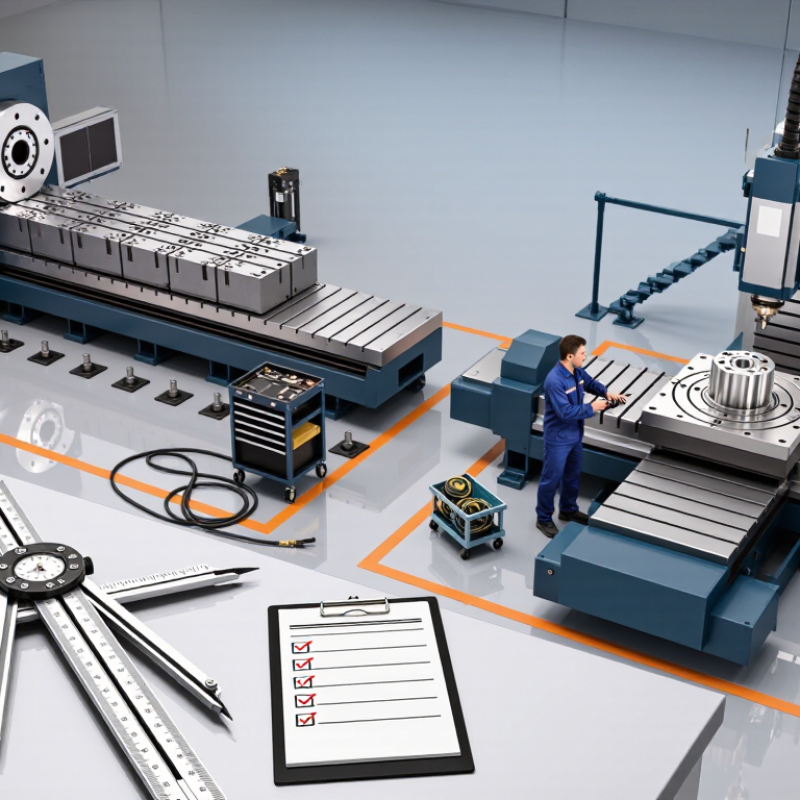
CNC boring mills are commonly grouped by spindle orientation. Horizontal models suit long shafts, deep bores, and large machine housings. Vertical models often handle heavy, disk-shaped parts that sit securely on a rotary table. Each layout affects loading, chip removal, and tool access. Check the machine’s spindle travel and table capacity against your actual workpieces. A large-looking machine may still lack useful reach.
Core capabilities matter as much as type. Review axis travel, spindle speed and torque, tool capacity, and positioning accuracy. For deep holes, confirm the boring bar can reach without excessive vibration. For tight tolerances, consider machine rigidity, workholding, and temperature control, not only the quoted accuracy. Material matters, too: steel cutting may demand more torque than aluminum work. Requirements vary by part. I would recheck the largest and most awkward job before choosing; it is easy to focus too much on average dimensions.
Tips: Bring sample part drawings and note bore depth, diameter, tolerance, and material. Ask for a cutting demonstration on a comparable part. Check how operators access the table and change tools. A little awkwardness during setup can become daily lost time.
A CNC boring mill should be matched to the part’s geometry, not just its largest dimension. Measure the longest travel, heaviest setup, bore depth, and required tolerance. A large casting may fit on the table yet exceed practical reach once the tool, fixture, and rotary table are installed. Check the workpiece envelope in every axis. Leave room for boring bars and chip removal. That matters.
For long, deep bores, spindle rigidity and bar support can matter more than headline horsepower. A horizontal configuration often suits heavy housings and multiple faces; a floor-type machine may handle oversized parts more comfortably. If the part needs angled features, consider a rotary table or indexing head, but confirm its load rating and positioning accuracy. Fixture stiffness is part of machine accuracy. A flexible setup can erase a tight tolerance.
Match spindle speed and torque to the materials and cutters used most often. Steel roughing may demand steady low-speed torque, while smaller tools in aluminum need higher speeds. Review the expected bore diameter range, surface finish, and production mix with a machinist or application engineer. Ask for a cutting test on representative material when tolerances are tight. I would not size the machine from one showcase part alone. Production varies; plans change. Also verify access for tool changes, coolant delivery, and maintenance around the actual installation space.
Choosing a CNC boring mill starts with the cut, not the largest travel figure. Match spindle torque and speed to the material, boring-bar diameter, and required surface finish. Heavy steel cuts need torque at low rpm; aluminum work often benefits from higher speed. Check the spindle taper and tool interface, too. A powerful spindle is less useful if long tools chatter. It happens.
Next, compare X, Y, and Z travel with the largest part’s real setup envelope. Include fixture height, tool reach, and room for loading. Accuracy needs more than a brochure’s smallest number. Review positioning accuracy and repeatability, then ask how thermal compensation and calibration affect results across a full shift. ISO 230-2 provides standardized methods for testing machine-tool positioning accuracy, making test conditions worth checking.
Control features matter when jobs change often or parts need traceable records. Look for clear programs, probing support, tool-life tracking, and data export that fits your workflow. Deloitte’s 2024 Smart Manufacturing Survey found that 92% of surveyed manufacturers expect smart manufacturing to drive competitiveness within three years. The International Federation of Robotics reported 541,302 industrial robots installed worldwide in 2023, showing the scale of automation alongside machining. These figures do not prove a specific control will improve your output. A live trial with your part, tooling, and operator is still the uncomfortable—but useful—reality check.
Choosing a CNC boring mill starts with the parts and cuts your shop actually runs. Match spindle torque, boring-bar capacity, and tool reach to the largest features you machine. Long bars can chatter when support is poor, even with modest cutting loads. Check the spindle interface and available tooling before comparing machine specifications. Inserts, holders, and boring heads should suit your materials and tolerance needs. Run a representative test cut if possible. Chips tell you a lot.
Automation should solve a real production constraint. A pallet changer can reduce loading delays, while probing may help catch setup errors before a long cycle runs. Tool measurement can also reduce manual checks between operations. But automation adds setup, maintenance, and programming demands. Small details matter. If jobs change often, a simple, accessible setup may outperform a system that takes hours to reconfigure. Be honest about staffing and expected machine utilization; optimistic estimates are easy to make.
Then assess the shop floor. Measure the machine footprint, doorways, ceiling clearance, and space for loading parts and servicing the enclosure. Confirm foundation requirements, electrical supply, coolant handling, and chip removal. Operators need room to inspect work and safely reach routine service points. A layout drawing may look clean while hiding awkward forklift turns or blocked walkways. Walk the proposed route with an actual part and loading device. It may feel overly cautious, but moving a machine later is worse.
How to Choose the Right CNC Boring Mill?
The purchase price is only one part of a boring mill’s cost. Include tooling, workholding, floor preparation, power requirements, installation, and operator training. A machine that looks affordable on paper may need costly fixtures to handle a heavy housing. Estimate those expenses before comparing quotes. Also check expected cycle time against real parts, not an ideal demonstration piece. Production varies.
Tips: Ask for a test cut using your material and a representative workpiece. Confirm what the quoted price includes, such as setup, commissioning, and training. Keep the answers in writing.
Service support affects long-term value. Ask how quickly technicians respond, whether common replacement parts are stocked, and what remote troubleshooting covers. A delayed repair can idle both the machine and the people waiting on it. Check service terms carefully; “available support” may not mean fast support. A detail can be missed.
Look beyond the first few years. Review maintenance intervals, spindle and positioning specifications, and the cost of wear components. Consider whether the control and available service can support your team’s skills. If the machine will run varied jobs, flexibility may matter more than peak speed. Still, projected savings are estimates, not promises; revisit them against actual utilization and maintenance records.
| Evaluation Area | What to Measure or Confirm | Practical Evaluation Guide | Why It Matters |
|---|---|---|---|
| Total Cost of Ownership | |||
| Purchase and configuration | Machine price, included control features, spindle options, rotary table, workholding, and quoted accessories. | Compare itemized quotations with the same work envelope, spindle specification, accuracy requirements, and included options. | A lower base price may exclude equipment needed to run the intended parts. |
| Installation and commissioning | Foundation, rigging, electrical and air requirements, leveling, commissioning, operator training, and production acceptance. | Request a written scope showing which costs are included and which are the buyer’s responsibility. | Site preparation and commissioning can materially change the initial investment. |
| Tooling and workholding | Toolholders, boring bars, cutting tools, fixtures, probing, and any special-purpose tooling. | Build a tooling list from representative parts and include replacement or consumable items in the cost model. | Tooling affects both startup cost and the machine’s ability to achieve required cycle times and finishes. |
| Operating costs | Electricity, coolant, lubrication, filters, tooling consumption, and planned maintenance. | Use supplier power data and your facility’s utility rates; model costs using expected shifts and annual operating hours. | Actual operating cost depends on duty cycle, process choices, local rates, and maintenance practices. |
| Downtime and lost production | Expected service interruptions, recovery time, affected production hours, and cost per unavailable hour. | Estimate downtime cost using your own production economics rather than a generic industry figure. | Unplanned downtime can outweigh small differences in purchase price. |
| Resale and useful life | Expected service life, upgrade path, control support, parts availability, and estimated residual value. | Compare scenarios over the same ownership period and state resale assumptions separately. | Long-term value depends on continued support and the machine’s ability to meet future work requirements. |
| Total cost calculation | Acquisition + installation + tooling + operating costs + service + downtime − resale value. | Calculate the total for a consistent ownership period, such as 10 years, and divide by expected productive hours or parts. | A common calculation makes alternatives easier to compare than purchase price alone. |
| Service Support and Risk | |||
| Response and recovery commitments | Remote response time, on-site response time, escalation path, and estimated repair time. | Set written service targets that reflect your operating schedule and the cost of downtime. | Clear commitments help you assess whether support matches production needs. |
| Local technical coverage | Distance to qualified technicians, service hours, language coverage, and availability of field support. | Confirm who provides support, where technicians are based, and how after-hours requests are handled. | Geographic coverage can affect both response time and travel charges. |
| Spare parts availability | Availability of critical parts, typical dispatch lead times, parts pricing, and obsolescence policy. | Identify long-lead or production-critical components and ask about recommended on-site spares. | Parts delays can extend downtime even when the fault is diagnosed quickly. |
| Warranty and service terms | Warranty duration, covered components, labor and travel coverage, exclusions, and service-contract pricing. | Compare the written terms, not just the stated warranty period; confirm when coverage begins and ends. | Coverage details determine the buyer’s financial exposure after installation. |
| Training and documentation | Operator and maintenance training, programming support, manuals, troubleshooting guides, and update access. | Include training hours, delivery format, and follow-up support in the quotation. | Good training supports safe operation and faster recovery from routine issues. |
| Capability, Productivity, and Long-Term Value | |||
| Work envelope and part fit | Maximum workpiece dimensions and weight, spindle travel, table or rotary-table capacity, and loading clearance. | Validate the largest and heaviest planned parts, including fixture dimensions and tool access. | Nominal travel alone does not guarantee that a part can be loaded, secured, and machined. |
| Accuracy and repeatability | Published positioning specifications, test conditions, thermal behavior, and acceptance-test results. | Match acceptance criteria to the part drawing and require documented testing under agreed conditions. | Specification definitions and test methods must be comparable across quotations. |
| Process demonstration | Cycle time, achievable tolerances, surface finish, tool life, and inspection results on representative parts. | Run a documented test using representative material, tooling, and machining operations. | A process trial provides stronger evidence than a machine specification sheet alone. |
| Automation and future expansion | Probing, pallet or robot interfaces, networking, software options, and available capacity for future accessories. | Separate options needed now from options that can be added later, and confirm compatibility in writing. | A suitable upgrade path can reduce the need for premature replacement. |
| Supplier comparison score | Score each shortlisted machine from 1 to 5 for capability, total cost, service, and upgrade potential. | Apply weights based on business priorities; keep the same criteria and weights for every option. | A transparent scorecard reduces the risk of choosing on price or one headline specification alone. |
Note: Costs, service coverage, machine specifications, and useful life vary by configuration, location, application, and contract. Treat supplier quotations and documented acceptance tests as the basis for a purchase decision.
"*" indicates required fields