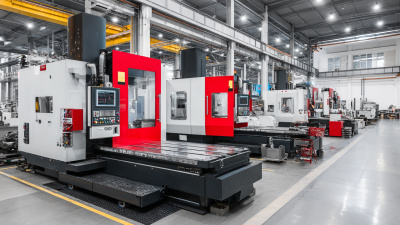
Learn more about how Trevisan’s Horizontal Machining Centers can help you minimize set up time and labor costs.

How to Choose the Right CNC Equipment for Your Business Needs

Choosing the right CNC equipment for your business is a crucial decision that can significantly impact your productivity, efficiency, and ultimately, your bottom line. With the wide variety of machines and technologies available today, making an informed choice can be overwhelming. According to industry expert John Smith, a renowned CNC consultant, "The key to successful manufacturing lies in selecting the right CNC equipment that aligns with your specific production requirements." This statement underscores the importance of understanding both your business needs and the capabilities of different CNC machines.

As businesses expand and evolve, the demands on CNC equipment change as well. Factors such as material types, production volume, and desired precision must all be considered to ensure that the investment in CNC technology will meet not just current, but future operational goals. By taking a strategic approach to evaluating these factors, companies can select CNC equipment that maximizes versatility and effectiveness, setting a solid foundation for growth in an increasingly competitive market. In this guide, we will explore essential considerations for selecting the ideal CNC equipment tailored to your specific business needs.

How to Choose the Right CNC Equipment for Your Business Needs

Understanding Your Business Requirements for CNC Equipment

How to Choose the Right CNC Equipment for Your Business Needs

When selecting CNC equipment for your business, understanding your specific requirements is crucial. Begin by assessing the materials you will be working with—whether metals, plastics, or composites—as this will influence the capabilities needed from your CNC machine. Additionally, consider the complexity of the parts you plan to produce. More intricate designs may require advanced features like multi-axis machining, while simpler components might suffice with a standard milling machine.

Another significant factor is the volume of production. If your business operates on a high-volume basis, investing in faster and more efficient CNC equipment could yield better returns. Conversely, for low to medium production runs, versatile machines that can handle a variety of tasks might be more practical. Don’t forget to involve your team in this process; their insights can provide valuable perspectives on the workflow and potential challenges, ensuring that the equipment you choose aligns with both current and future operational needs.

Types of CNC Machines and Their Applications

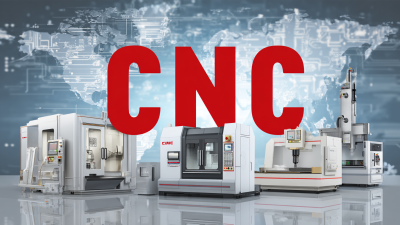
When considering CNC (Computer Numeric Control) machines, it’s vital to understand the various types and their specific applications, as this will help tailor your investment to meet your business needs effectively. Common CNC machines include CNC mills, lathes, routers, plasma cutters, and laser cutters. According to a report by MarketsandMarkets, the global CNC machine market is projected to grow from $81.14 billion in 2020 to $117.17 billion by 2025, reflecting an increasing demand for precision manufacturing across various industries.

CNC mills are versatile tools that can handle a range of materials, from metals to plastics. They are primarily used in the manufacturing sector for producing intricate parts and prototypes. CNC lathes, on the other hand, excel in turning operations, making them ideal for creating cylindrical components. A study by Technavio indicates that the CNC wood router market is expected to grow significantly, spurred by the rise of woodworking and furniture-making industries, which increasingly utilize automated solutions to improve efficiency and reduce labor costs.

Laser cutters and plasma cutters represent the evolution of CNC technology in cutting applications. Laser cutters offer precision and minimal material waste, making them suitable for industries that require intricate designs, such as aerospace and automotive sectors. Meanwhile, plasma cutters provide robust solutions for thicker materials and are widely adopted in metal fabrication. As companies look to optimize production processes and reduce overhead, understanding these machine types and their respective capabilities is crucial for making informed decisions that align with operational goals.

How to Choose the Right CNC Equipment for Your Business Needs - Types of CNC Machines and Their Applications

CNC Machine Type Application Materials Used Key Features
CNC Milling Machine Precision machining of parts Metal, Plastics, Wood Versatile cutting tools, Multi-axis movement
CNC Lathe Turning cylindrical parts Metal, Plastics Rotating workpiece, Highly accurate
CNC Router Cutting intricate designs Wood, Plastics, Foam High speed, Large work area
CNC Plasma Cutter Cutting metal sheets Steel, Aluminum Fast cutting speed, High precision
CNC Laser Cutter Engraving and cutting Metal, Acrylic, Wood High accuracy, Clean cuts

Evaluating CNC Equipment Features and Specifications

When evaluating CNC equipment features and specifications, it's crucial to align them with your business goals and production requirements. Start by examining the type of materials you'll be working with, as different CNC machines have varying capabilities in terms of material compatibility—whether for metal, plastic, or wood. Consider the precision and tolerance levels required for your projects. High-precision CNC machines may be necessary for applications in industries like aerospace or medical manufacturing, where even minor deviations could lead to significant issues.

Another essential aspect to consider is the machine's operational flexibility and ease of use. Features such as user-friendly interfaces, advanced software compatibility, and automation capabilities can significantly impact your workflow efficiency. Assess the machine's size and footprint to ensure it fits within your available space without compromising operational efficiency. Moreover, review the machine's maintenance requirements and the availability of support services, as these factors will influence long-term productivity and cost-effectiveness.

By thoroughly analyzing these features, you can make an informed decision that best supports your operational needs.

Budgeting for CNC Equipment Acquisition and Maintenance

When budgeting for CNC equipment acquisition and maintenance, it's essential to consider both initial costs and ongoing expenses. The purchase price of CNC machines can vary widely based on their capabilities, size, and specifications. Understanding your production needs will help you determine whether to invest in high-end models or consider more cost-effective options. Additionally, factor in the costs of necessary accessories and software that enhance the machine's capabilities, as these can significantly influence your overall budget.

Maintenance costs are another critical element in your budget planning. Regular servicing and potential repairs can add up over time, making it vital to allocate funds for these expenses. It’s wise to set aside a percentage of your initial investment each year for maintenance to ensure your CNC equipment operates optimally. Additionally, training for your staff should be included in your budget, as skilled operators can maximize productivity and minimize downtime. By carefully analyzing both acquisition and maintenance costs, you can make informed decisions that align with your business's financial health and operational goals.

Budgeting for CNC Equipment Acquisition and Maintenance

Selecting a Reliable Supplier for CNC Technology

When selecting a reliable supplier for CNC technology, it is crucial to assess their reputation and experience in the industry. Start by researching the supplier’s history and client testimonials. A good supplier will not only have a track record of delivering quality products but also showcase successful projects relevant to your business sector. Engaging with previous customers can provide insights into the supplier's reliability and customer service, ensuring you make an informed decision.

Another significant aspect to consider is the support and service that the supplier offers post-purchase. Quality CNC equipment is an investment, and ongoing maintenance and support are vital for maximizing its lifespan and efficiency. Check if the supplier provides comprehensive training for your staff, as well as responsive technical support during operational challenges. By prioritizing suppliers who emphasize customer support and training, you can increase the likelihood of smooth operation and productivity in your CNC processes.

Scroll to Top
Scroll to Top