China Top Bucket Teeth Manufacturers How to Choose?
Choosing China’s top Bucket Teeth manufacturers requires more than comparing prices or polished product photographs. Excavator teeth face impact, abrasion, vibration, moisture, and changing ground conditions. A tooth that performs well in loose soil may fail quickly in granite or recycled concrete.
Industry reports provide useful context. KHL’s Yellow Table 2024 shows China’s construction equipment manufacturers continuing to expand their global presence. Off-Highway Research also tracks strong equipment demand across Asian markets. These reports do not rank every Bucket Teeth supplier, however. That gap matters. Manufacturer visibility is not the same as metallurgical capability.
Ian Hutchings and Philip Shipway, leading tribology researchers, define wear as “the progressive loss of substance from the operating surface of a body.” Their definition explains why steel grade alone cannot determine quality. Tooth geometry, heat treatment, adapter fit, casting control, and field support all influence service life.
Look for traceable material certificates, documented hardness testing, and samples tested under similar working conditions. Ask whether the supplier records chemical composition and batch results. Check the fit between the tooth, adapter, and retaining pin. Small gaps can create movement, noise, and accelerated wear.
Cost remains important. It should not lead the decision.
A serious supplier should discuss failure photos, operating hours, soil type, and replacement intervals. Independent testing strengthens credibility, especially when claims seem unusually high. Some comparisons remain imperfect because jobsite conditions change daily. That limitation deserves honest attention.
The best choice is rarely the cheapest tooth. It is the manufacturer that connects engineering evidence with dependable delivery, consistent production, and practical after-sales support.
What Are Bucket Teeth and Why Do They Matter?
What Are Bucket Teeth and Why Do They Matter?
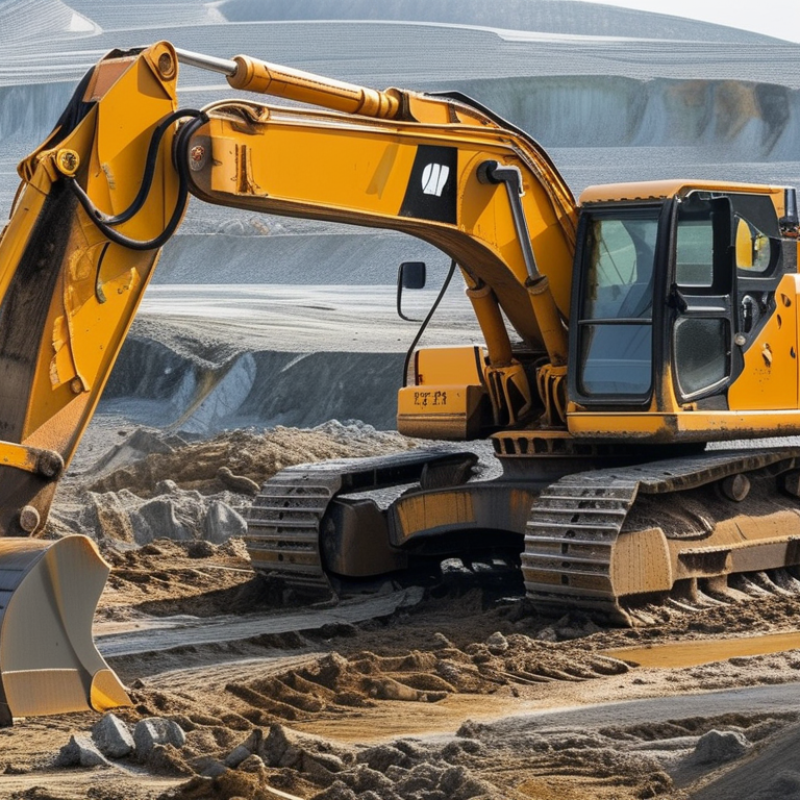
Bucket teeth are replaceable cutting points fixed to an excavator or loader bucket. They break soil, gravel, clay, and rock before the bucket fills. A sharp tooth concentrates hydraulic force into a small contact area. A worn tooth spreads that force across the bucket lip, increasing resistance and fuel use.
The U.S. Geological Survey reported nearly 1.9 billion metric tons of crushed stone production in the United States during 2023. This demand creates severe wear in quarry and aggregate work. Tooth shape, alloy hardness, adapter fit, and locking quality all affect operating life. Poor alignment can cause uneven wear within hours. Field technicians often find this issue after blaming the steel itself. That assumption is not always correct. Fortune Business Insights valued the global construction equipment market at over 230 billion dollars in 2023, showing the scale of equipment maintenance decisions.
Tips: Match the tooth profile to the ground condition. Use a penetration style for compact soil and a stronger, wider style for abrasive rock. Check the tooth and adapter at every shift change. Replace them before the bucket lip becomes rounded. Ask manufacturers for hardness ranges, impact-test results, and wear-test conditions. Those details matter more than a bold service-life claim. A perfect choice does not exist; jobsite material changes, sometimes within the same trench.
How to Identify Leading Bucket Teeth Manufacturers in China
How to Identify Leading Bucket Teeth Manufacturers in China
A leading bucket teeth manufacturer should prove performance, not merely display a large catalog. Grand View Research estimates that the global construction equipment market will expand at about 6% annually through 2030. This growth increases demand for reliable wear parts, but it also attracts inconsistent suppliers. Ask for steel grades, heat-treatment records, and dimensional inspection reports. A serious factory can explain tooth hardness, adapter fit, and failure limits in clear technical language.
Inspect the production line, even through a live video call. Look for controlled forging, visible heat-treatment equipment, calibrated hardness testers, and traceable batch labels. Request samples from one production batch. Measure the pin hole, locking area, and contact surface against your drawing. ISO 9001 certification helps, but it is not proof of field durability. Testing matters more. The American Society for Testing and Materials publishes methods for evaluating steel hardness and mechanical properties; manufacturers should show how their tests follow recognized procedures.
Study after-sales evidence carefully. Ask for test photos from excavators working in abrasive soil, quarry stone, or demolition conditions. Compare service hours, not attractive unit prices. A supplier offering only perfect claims deserves caution. Real failures happen. Ask how rejected castings are recorded and corrected. Also verify export documentation, packaging strength, replacement lead times, and production capacity during peak seasons. Reports from industry research firms often show that aftermarket buyers prioritize uptime and lifecycle cost, yet many purchasing decisions still focus on price. That mistake can become expensive.
Which Materials and Manufacturing Standards Should You Check?
Choosing top bucket teeth manufacturers in China requires more than comparing prices. Material selection affects wear life, fracture risk, and machine downtime. Ask whether the teeth use forged alloy steel, cast alloy steel, or manganese steel. Forged steel often provides consistent grain structure, while cast steel can support complex shapes. Manganese steel may harden under impact, but it needs suitable working conditions.
Request the exact chemical composition, not only the material name. Check carbon, chromium, manganese, and molybdenum levels against the supplier’s stated specification. A proper heat-treatment record should show heating temperature, holding time, quenching, and tempering details. Hardness testing should cover multiple points, including the tooth tip and shank. One reading is not enough.
Manufacturing standards deserve equal attention. Look for a documented quality system, such as ISO 9001, supported by batch traceability and inspection records. Ask for tensile, impact, dimensional, and metallographic test results when the application is severe. Dye penetrant or magnetic particle inspection can reveal surface cracks, especially around casting areas and weld repairs. Be careful with polished reports. They may describe an older production batch. Request current samples and independent testing when order value is high. I once saw acceptable hardness paired with poor tooth fit, causing uneven loading. That detail is easy to miss. Check shank dimensions, pin-hole alignment, adapter fit, and tooth-tooth consistency before approval.
How to Compare Product Quality, Compatibility, and Service
Choosing top bucket teeth manufacturers starts with evidence, not catalogue shine. A 2024 Fortune Business Insights report valued the global construction equipment market at USD 232.57 billion in 2023. The report expects continued growth. That scale increases replacement demand, but it does not guarantee tooth quality.
Ask for material grade, heat-treatment records, hardness mapping, and batch traceability. Compare hardness from the tip to the adapter, not one attractive reading. Uneven wear often exposes poor alloy control or a mismatched fit. A tooth should seat firmly, with no rocking under a loaded bucket. Measure the adapter nose, locking system, and tooth cavity before ordering. Compatibility is measurable. The ISO Survey 2023 recorded over 1.26 million ISO 9001 certificates worldwide. Certification helps, but it cannot replace physical testing. Service deserves equal scrutiny. Request clear lead times, replacement-part availability, installation guidance, and a named technical contact. Ask how warranty claims are inspected. Photos alone are weak evidence. In my experience, a supplier may provide excellent samples yet struggle with repeat batches. That uncomfortable gap needs checking. Order a small trial batch, record penetration resistance, wear after several shifts, and locking-pin damage. Then compare results with the supplier’s test data. A simple spreadsheet can reveal more than polished promises.
What Questions Should You Ask Before Choosing a Supplier?
China Top Bucket Teeth Manufacturers: How to Choose?
Before choosing a bucket teeth supplier, ask precise questions about steel quality and production control. What material grade do you use? Can you provide a recent chemical composition report? Ask how each tooth is heat-treated, not merely whether heat treatment exists. A reliable manufacturer should explain hardness targets, impact testing, and inspection points in clear language. Request dimensional drawings with tolerances. Small errors can cause loose fitting, uneven wear, or damage to the adapter.
Ask how the supplier verifies compatibility with your excavator bucket. Can they match the pin, retainer, adapter, and tooth profile? Request samples before placing a large order. Measure the sample yourself after delivery. It is simple, but often skipped. Also ask for wear-test data from similar soil conditions, such as abrasive rock, wet clay, or mixed gravel. Laboratory results help, yet field evidence matters more. A supplier should identify the test method and operating hours behind its claims.
Discuss traceability, packaging, lead time, and replacement support. Can every batch be linked to a production record? Who handles nonconforming parts? Ask for the written warranty terms, including exclusions and response times. A very low quotation deserves careful review. It may reflect efficient production, or thinner material and weaker inspection. I have seen buyers focus too heavily on price and regret ignoring fit accuracy. No supplier answers every question perfectly. What matters is whether the team admits limitations and offers verifiable evidence instead of vague promises.