Why Choose a CNC Horizontal Boring Mill for Your Manufacturing Needs?
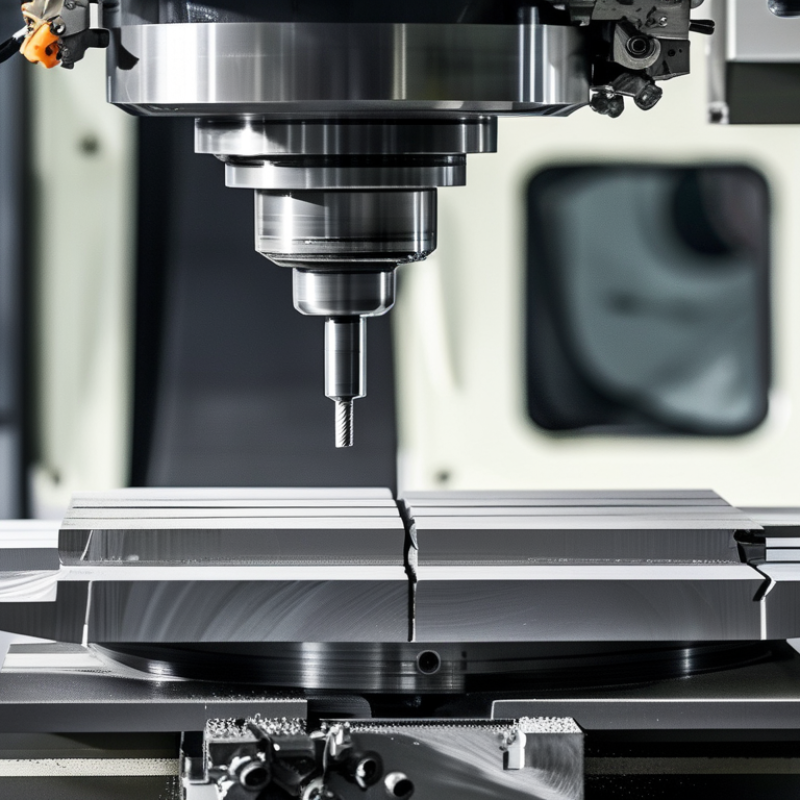
The CNC horizontal boring mill is a vital tool in modern manufacturing. Its precision and versatility set it apart from traditional machines. This technology enables manufacturers to perform complex operations with ease and accuracy.
In industries such as aerospace and automotive, the impact is significant. The ability to bore large components efficiently saves time and reduces waste. However, not every manufacturer may fully harness its capabilities. There is a learning curve associated with CNC programming and operation. It's crucial to invest in training and support to maximize its potential.
Choosing a CNC horizontal boring mill reflects a commitment to quality. It showcases a willingness to adopt advanced technology for competitive advantage. As manufacturers explore this option, they must consider their specific needs and challenges, making informed decisions that align with their goals.
Benefits of Using CNC Horizontal Boring Mills in Manufacturing
CNC horizontal boring mills offer significant advantages for manufacturers in various sectors. One of the most notable benefits is precision. A report by the Association for Manufacturing Technology shows that CNC machines can achieve tolerances of ±0.001 inches. This level of accuracy minimizes costly rework and increases overall efficiency, making these machines ideal for complex parts.
The versatility of CNC horizontal boring mills is another strong point. They can handle a wide range of materials, from steel to aluminum. Studies indicate that 65% of manufacturers see a decrease in cycle time when employing CNC technology. This reduction allows for faster production rates, aligning well with the growing demand for quick turnaround times in custom manufacturing.
However, there are challenges to consider. Initial investment costs can be substantial. Additionally, not every shop has the expertise to program and maintain these sophisticated machines. Continuous training and skill development are essential for maximizing the potential of CNC technology. Manufacturers must balance these factors to fully leverage the benefits of horizontal boring mills.
Key Features of CNC Horizontal Boring Mills for Precision Machining
CNC horizontal boring mills offer exceptional precision for various manufacturing projects. These machines are specifically designed for large and heavy workpieces, making them invaluable in extensive machining tasks. Their ability to accurately bore, mill, and drill enhances both efficiency and product quality. This level of versatility streamlines complex processes, reducing setup times.
The key features of these machines include a robust construction that provides stability during operation. Their advanced CNC controls allow for precise adjustments, ensuring high fidelity in machining operations. Furthermore, these mills come equipped with large spindle bores, facilitating the machining of substantial components. Operators can achieve detailed designs with ease. Some users may find the initial learning curve challenging. However, with training, they can harness the full potential of these machines.
Safety features are also critical. Emergency stop buttons and protective shields help reduce workplace accidents. Operators should regularly review these features to ensure reliable performance. Reflecting on any shortcomings in machine maintenance is essential for longevity and efficiency. Proper upkeep can prevent unexpected downtimes and enhance overall productivity in manufacturing settings.
Applications of CNC Horizontal Boring Mills in Various Industries
CNC horizontal boring mills play a critical role in various industries. They excel in precision machining for large components. In sectors such as aerospace, their ability to handle complex geometries is vital. These mills can create intricate holes and contours, ensuring that parts fit together perfectly. The increased productivity simplifies tasks that were once labor-intensive.
In the automotive industry, these machines are increasingly essential. They efficiently produce engine blocks and transmission cases. Such applications require not just precision but also speed. CNC technology allows for quick adjustments, minimizing downtime. This flexibility meets the dynamic needs of manufacturing.
Despite their strengths, users must reflect on aspects like training and maintenance. Operators need proper skills to maximize these machines. Regular maintenance is crucial for optimal performance. Neglecting these areas can lead to inefficiencies. Therefore, investing in operator education is as important as the machines themselves. This balance ensures that the full potential of CNC horizontal boring mills is realized.
Applications of CNC Horizontal Boring Mills in Various Industries
| Industry |
Application |
Benefits |
| Aerospace |
Manufacturing of aircraft components |
High precision and reduced lead times |
| Automotive |
Drivetrain and transmission parts |
Enhanced accuracy and improved part quality |
| Energy |
Fabrication of turbine components |
Ability to handle large and heavy parts |
| Marine |
Production of ship hull and structural components |
Durability and precision in large parts |
| Construction |
Manufacturing of heavy machinery components |
Simplified workflow and efficiency |
Comparison of CNC Horizontal Boring Mills with Other Machining Tools
CNC horizontal boring mills offer distinct advantages compared to other machining tools. One significant benefit is precision. According to a 2022 industry report, CNC horizontal boring mills achieve tolerances of +/- 0.001 inches, which is critical for complex parts. This level of accuracy surpasses traditional vertical milling machines, which often fall short in precision and repeatability.
Additionally, while vertical mills excel in smaller parts, CNC horizontal boring mills handle larger components with ease. Their capacity allows manufacturers to process workpieces measuring up to 120 inches in diameter. A study from the Manufacturing Institute noted that nearly 30% of production inefficiencies stem from machine limitations. By integrating a horizontal boring mill into the workflow, manufacturers can minimize these inefficiencies and enhance productivity.
However, selecting the right machine involves challenges. Not all projects require the robust capabilities of a CNC horizontal boring mill. Cost is another consideration; these machines typically require a higher initial investment. Manufacturers must weigh these factors against potential productivity gains. It's essential to analyze specific project needs before making a purchase. A deeper understanding of machining capabilities often uncovers the best fit for a given task.
Comparison of CNC Horizontal Boring Mills with Other Machining Tools
Cost-Effectiveness and Efficiency of CNC Horizontal Boring Mills
CNC Horizontal Boring Mills are increasingly recognized for their cost-effectiveness and efficiency in modern manufacturing. These machines offer exceptional precision, reducing waste and rework. According to a study by the National Institute of Standards and Technology, manufacturers report up to a 30% reduction in production costs when utilizing CNC technology. This highlights the significant financial advantage of investing in such machinery.
In addition to cost savings, efficiency is a critical factor. CNC Horizontal Boring Mills can operate with minimal downtime. Research indicates that companies leveraging CNC technology experience a 50% increase in throughput. This increase is crucial for meeting tight deadlines and expanding production capacity without sacrificing quality. However, it's worth noting that initial setup costs can be high, which may deter smaller manufacturers.
The reliability of CNC Horizontal Boring Mills is also worth considering. Machines require regular maintenance, and failure to do so can lead to costly disruptions. A report from the Manufacturing Technology Report suggests that neglecting maintenance can result in a 10% drop in efficiency. Adopting a proactive maintenance schedule is essential, yet many companies struggle with this commitment. Balancing cost and reliability can be challenging but is vital for sustained success in manufacturing.