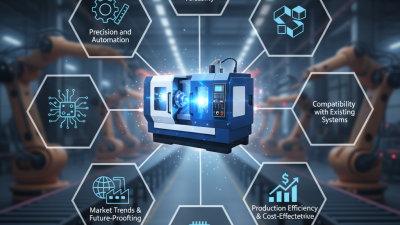
What is a CNC Turning Machine and How Does It Work?
A CNC turning machine is a pivotal tool in modern manufacturing. It enables precision machining of cylindrical parts. This technology ensures high efficiency and accuracy in producing various components. Many industries rely on CNC turning machines for their ability to create intricate designs.
The process involves rotating the workpiece while cutting tools shape it. This combination results in consistent and repeatable outcomes. Each machine can have unique features that enhance its performance. Operators must understand these aspects to maximize production quality.
However, even with advanced machines, challenges remain. Issues such as tool wear or programming errors may arise. It is vital to address these concerns to maintain workflow and product integrity. Understanding the CNC turning machine's intricacies leads to better solutions and innovations in manufacturing.
What is a CNC Turning Machine?
CNC turning machines are essential tools in modern manufacturing. They utilize computer numerical control (CNC) to automate the turning process of materials. This automation allows for precision and efficiency that manual machines cannot achieve. According to a report by Grand View Research, the CNC market is projected to grow at a compound annual growth rate (CAGR) of 6.5% from 2021 to 2028. This growth underscores the critical role CNC machines play in various industries.
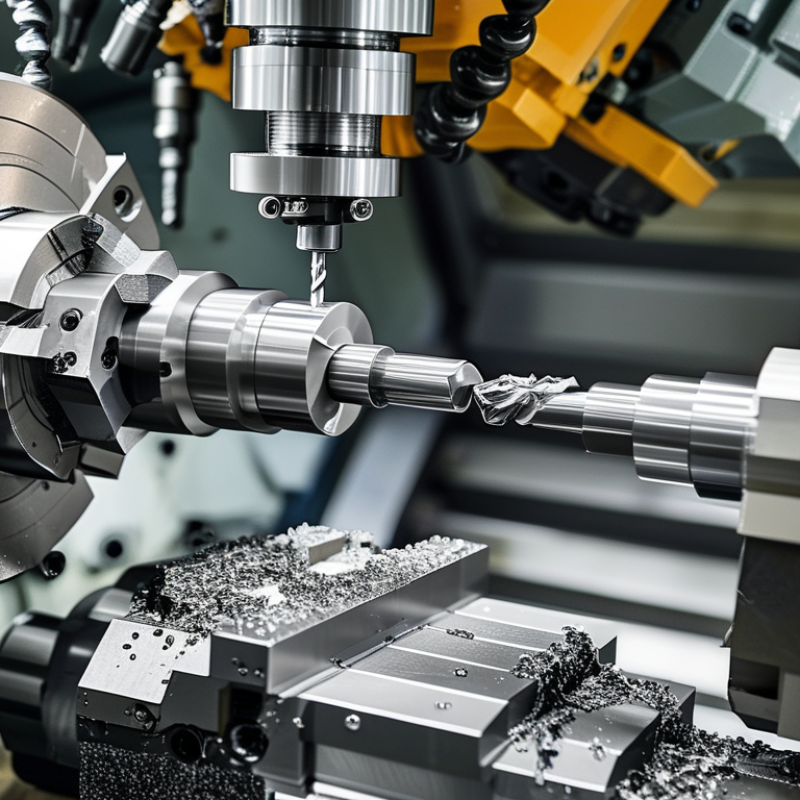
At its core, a CNC turning machine uses a rotating workpiece and a stationary cutting tool. The CNC system sends commands to adjust the speed and movement of the tool. This results in highly accurate parts with minimal human intervention. Data from MarketsandMarkets emphasizes that CNC technology can reduce production times by up to 75%. However, the precision relies heavily on programming expertise, which can sometimes present challenges.
One notable issue in utilizing CNC turning machines is the need for skilled operators. While automation enhances output, the quality of programming directly impacts the final product. It's crucial for manufacturers to invest in training and continuous education for their staff. Furthermore, as technology evolves, keeping up with trends and advancements remains a pressing concern. The CNC turning process offers outstanding capabilities, but successful implementation requires constant reflection and adaptation.
Key Components of a CNC Turning Machine
CNC turning machines are essential tools in modern machining. They utilize precise programming to shape materials into desired forms. Understanding their key components helps shed light on their functionality.
The spindle is a vital part of a CNC turning machine. It holds and rotates the workpiece. High-speed rotation is crucial for achieving accuracy in shape. Cutting tools are another essential component. They remove material through rotational movement. The combination allows for complex geometries to be created.
The CNC controller interprets design files and directs machine operations. It plays a critical role in executing programmed instructions. Additionally, tool holders securely grip the cutting tools, ensuring stability during operation. Despite advancements, challenges like tool wear and calibration issues persist. Continuous learning and adjustment are necessary for optimal performance.
Principle of Operation in CNC Turning
CNC turning machines are vital in precision manufacturing. They operate on the principle of converting raw materials into finished components. This involves the rotation of the workpiece against a stationary cutting tool. The cutter removes material, creating the desired shape and finish.
The process begins with inputting design specifications into the CNC system. The computer then translates these into precise movements. The machine achieves high accuracy, often within 0.005 inches. Reports show that CNC turning contributes to a significant increase in productivity, with some industries noting a 30% reduction in manufacturing time.
Despite its advantages, challenges exist. Maintenance of CNC machines is crucial for consistent performance. Operators must identify issues promptly to avoid costly downtime. Training operators effectively is also essential. Proper understanding of the technology fosters improved decision-making. Yet, training programs often face budget constraints, leading to gaps in skills. Continuous evaluation of these challenges helps maintain the reliability of CNC systems.
Common Applications of CNC Turning Machines
CNC turning machines are essential tools in modern manufacturing. They excel in creating precise cylindrical parts. These machines automate the process of shaping materials, ensuring high efficiency. Commonly used materials include metals and plastics, both of which have specific requirements during production.
Industries like automotive and aerospace heavily rely on CNC turning. In automotive, they produce components like shafts and valve seats. Each piece must fit perfectly to ensure functionality and safety. In aerospace, parts often face intense scrutiny for quality. Even minor defects can lead to failures, so CNC turning meets stringent standards.
CNC turning is not limited to large manufacturers. Small businesses use these machines for custom parts. This flexibility allows them to cater to niche markets. However, errors can occur during programming or setup. It's crucial to double-check settings before production begins. Quality control should be a priority, as imperfections can impact the final product. Thus, a balance between speed and accuracy is vital.
Common Applications of CNC Turning Machines
| Application |
Description |
Materials Used |
Industries |
| Aerospace Components |
Manufacturing precision components such as turbines and brackets. |
Aluminum, titanium, stainless steel |
Aerospace, Defense |
| Automotive Parts |
Creating engine components, fittings, and connectors. |
Steel, cast iron, plastics |
Automotive |
| Medical Devices |
Producing components like surgical instruments and implants. |
Titanium, stainless steel, polymers |
Healthcare |
| Oil & Gas Equipment |
Fabricating drill bits, valves, and other critical equipment. |
Carbon steel, alloyed metals |
Oil & Gas |
| Consumer Electronics |
Manufacturing casings, connectors, and housing components. |
Aluminum, plastics |
Electronics |
Advantages of Using CNC Turning Technology
CNC turning technology has revolutionized the manufacturing sector. It offers numerous advantages that enhance productivity and efficiency. One key benefit is its precision. According to a report by the National Institute of Standards and Technology, CNC machines can achieve tolerances of ±0.005 mm, which is critical for applications in aerospace and automotive industries. This level of accuracy reduces scrap rates and increases product quality.
Another significant advantage is automation. CNC turning machines operate continuously. This leads to higher output compared to manual machining. Research indicates that factories using CNC technology can improve productivity by up to 50%. Additionally, these machines require less manual intervention, reducing the risk of human error.
Tips for optimizing CNC turning processes include regularly updating the software and ensuring the correct settings for materials. Also, investing time in employee training can significantly improve machine handling and maintenance. While CNC machines offer many benefits, it is essential to acknowledge that they require a substantial initial investment and regular upkeep. Evaluating costs versus benefits is crucial for businesses considering this technology.