What is an Electric Cylinder and How Does It Work?
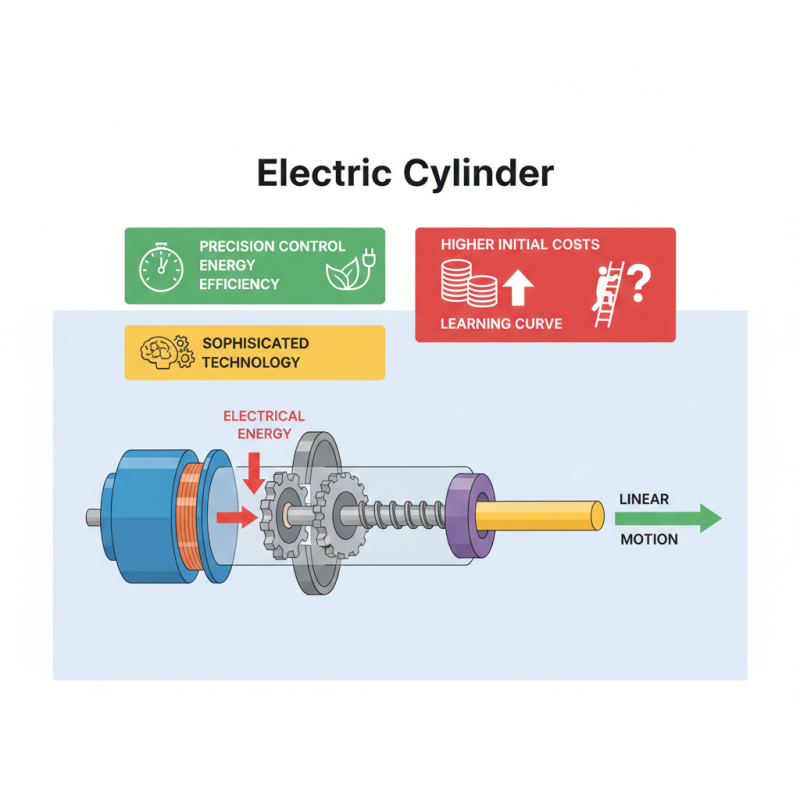
Electric Cylinders are becoming increasingly popular in various industries. These devices convert electrical energy into linear motion. They offer numerous advantages over traditional hydraulic and pneumatic cylinders. An electric cylinder is not just a simple tool; it is a sophisticated piece of technology.
Understanding how an electric cylinder operates is crucial for those in automation and manufacturing. These cylinders utilize electric motors, allowing for precise control of speed and position. They can also enhance energy efficiency. However, they require careful selection and integration into existing systems, which can be challenging.
While electric cylinders offer many benefits, there are potential drawbacks. Initial costs can be higher than conventional systems. Additionally, the learning curve for new technologies often leads to implementation issues. As we explore the workings of electric cylinders, it is essential to recognize both their potential and limitations.
What is an Electric Cylinder?
Electric cylinders are innovative devices that convert electrical energy into linear motion. They operate similarly to hydraulic or pneumatic cylinders but use electric motors for movement. These cylinders are commonly found in automation processes, robotics, and machinery. They offer a superior level of precision and energy efficiency.
For effective use, it’s essential to consider the load capacity of the electric cylinder. Each cylinder has specific limits. Overloading can lead to wear and tear. This not only shortens the lifespan of the device but also reduces efficiency. Proper testing can help determine the right specifications for your needs.
When integrating electric cylinders into your systems, pay attention to the control mechanisms. They require compatible controllers for optimal performance. The setup may pose challenges, especially for beginners. Familiarizing yourself with the installation process and troubleshooting common issues is beneficial. An informed approach allows for better decision-making and enhances system reliability.
Components of an Electric Cylinder
Electric cylinders are essential components in modern automation and manufacturing. These devices convert electrical energy into linear motion, enabling precise control in various applications. A typical electric cylinder consists of several critical components that enhance its functionality and efficiency.
At the core of an electric cylinder is the motor. It drives the actuator, translating rotational energy into linear movement. Research from industry reports indicates that these motors often exhibit up to 90% efficiency. This high efficiency contributes to lower energy consumption in operations. Furthermore, the integrated feedback systems, such as encoders, provide real-time data. This ensures accuracy in positions and speed control, a necessity in high-precision tasks.
Another vital component is the linear guide. This ensures smooth movement and stability during operation. The choice of materials, such as high-strength aluminum or steel, can significantly impact the cylinder's durability and load capacity. Recent studies suggest that a well-designed electric cylinder can handle loads varying from a few kilograms to several tons. Maintenance also plays a crucial role in performance; regular checks can prolong the cylinder’s lifespan but are often neglected. Understanding these components helps in selecting the right electric cylinder for specific applications.
How Electric Cylinders Generate Motion
Electric cylinders are innovative devices that turn electrical energy into mechanical motion. They utilize an electric motor, which drives a screw or a similar mechanism to create linear movement. This design allows for precise control over position and speed. The integration of sensors enhances their functionality, enabling feedback for more accurate operations.
How do electric cylinders generate motion? They typically combine a motor with a lead screw or ball screw. As the motor turns, it moves the screw, which pushes or pulls a load. This process can create substantial force while maintaining energy efficiency. Due to their compact design, electric cylinders save space compared to traditional hydraulic or pneumatic systems.
However, challenges exist. Users must ensure proper alignment and load capacities. Improper use can lead to mechanical failures or inconsistent performance. Regular maintenance is key for longevity. As industries evolve, electric cylinders are becoming more prevalent. They offer a glimpse into the future of motion systems, balancing efficiency and precision. Their growing adoption reflects their potential in various applications, yet they require careful consideration to maximize their benefits.
Applications of Electric Cylinders in Industry
Electric cylinders are transforming the industrial landscape. These devices leverage electric motors to produce linear motion, replacing traditional pneumatic and hydraulic systems. Their increasing adoption is supported by significant industry growth estimates. According to a report by MarketsandMarkets, the electric cylinder market is expected to reach USD 7.5 billion by 2025, growing at a CAGR of 6.3%.
In manufacturing, electric cylinders are used in assembly lines for tasks such as material handling and precise positioning. Their precision allows for greater efficiency and reduced operational costs. For instance, a study by the International Journal of Advanced Manufacturing Technology found that electric cylinders can improve cycle times by up to 30% compared to traditional systems. This efficiency can directly impact productivity and sustainability in factories.
Electric cylinders are also gaining traction in the automotive sector. They assist in robotics applications, enhancing automation for tasks like welding and painting. However, challenges remain. Transitioning from hydraulic systems can pose integration issues. Additionally, there is the need for skilled labor to maintain electrical systems. As industries evolve, addressing these concerns will be crucial for maximizing the benefits of electric cylinders.
Advantages of Using Electric Cylinders Over Pneumatic or Hydraulic Systems
Electric cylinders offer distinct advantages when compared to pneumatic or hydraulic systems. One significant benefit is their precise control. Electric systems can be programmed to move to exact positions. This level of accuracy is vital in applications like assembly lines, where small adjustments can impact overall efficiency.
In addition to precision, electric cylinders are more energy-efficient. They consume power only during operation, unlike pneumatic systems that require constant pressure supply. This leads to lower operational costs. There's also minimal maintenance involved with electric cylinders. With fewer moving parts, the risk of mechanical failure decreases, which results in longer lifespan and reliability. However, users must be aware of the initial investment and integration challenges. Adopting this technology might require a learning curve for staff unfamiliar with electric systems.
Furthermore, noise levels are considerably lower with electric cylinders. In environments like hospitals or research labs, this can enhance comfort and functionality. Nonetheless, it is crucial to weigh these advantages against the specific needs of each application. Some industries may still prefer traditional systems due to established practices or performance in extreme conditions. An informed decision should consider both modern benefits and existing operational contexts.