Why Are Machining Tools Essential for Precision Manufacturing?
Machining tools play a critical role in precision manufacturing. In recent years, the demand for these tools has surged significantly. According to a report by Market Research Future, the global machining tools market is projected to reach $100 billion by 2026. This growth highlights the importance of high-quality machining tools in producing accurate parts.
John Smith, a leading expert in the machining tools industry, states, "Precision begins with the right tools." His insight emphasizes how essential these tools are for manufacturers aiming for exceptional quality. Machining tools, including lathes and milling machines, ensure tight tolerances are met. However, not all manufacturers recognize their significance. Some still rely on outdated techniques, leading to inefficiencies and increased costs.
Incorporating advanced machining tools can improve manufacturing processes. Yet, many companies struggle to invest in new technologies. This reluctance can be a barrier to achieving precision and efficiency. As the industry evolves, recognizing the core value of machining tools is vital for future competitiveness. Taking this step is not just beneficial; it is necessary for survival in a competitive marketplace.

Importance of Precision in Manufacturing Processes and Outcomes
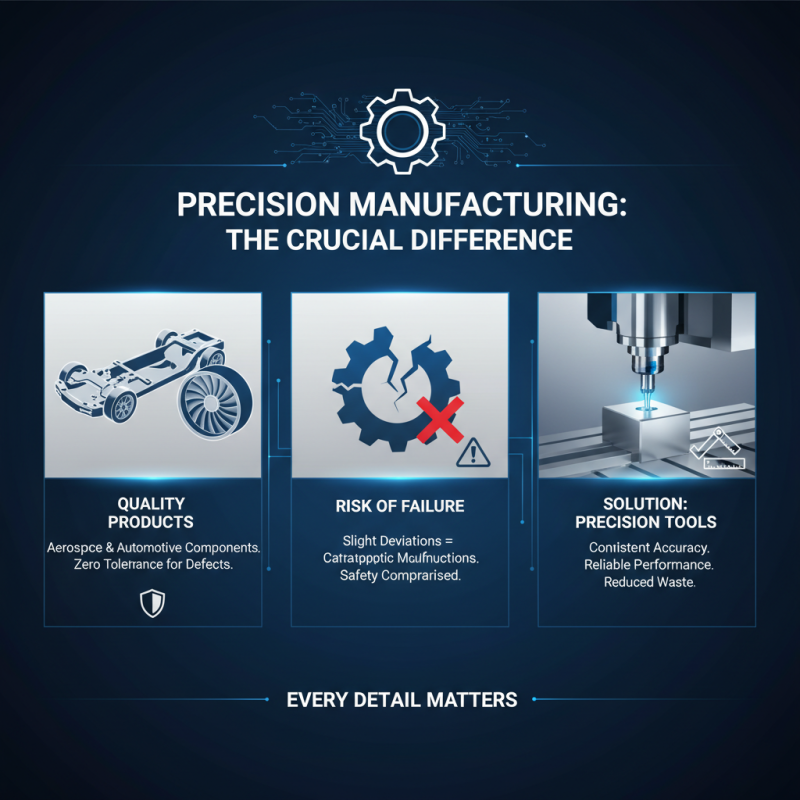
Precision in manufacturing is crucial for achieving high-quality products. Every detail matters when creating components for industries like aerospace or automotive. Slight deviations can lead to failures. Therefore, machining tools must deliver consistent precision.
Machining tools play a pivotal role. They shape materials with exactness, ensuring each piece fits perfectly in the larger assembly. For instance, a small error in a gear can cause significant performance issues down the line. It's not just about cutting metal; it’s about understanding the importance of consistency.
However, reliance on these tools can lead to complacency. Manufacturers sometimes overlook the need for regular maintenance and calibration. Tools can wear down, affecting product quality. Addressing these issues requires a proactive mindset, ensuring each tool operates at its best. Improvement and vigilance are vital in maintaining precision.
Role of Machining Tools in Enhancing Product Accuracy and Quality
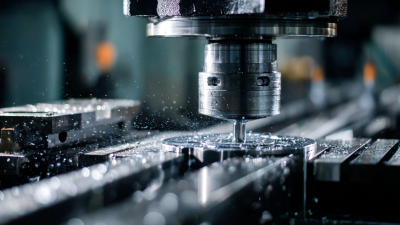
Machining tools play a crucial role in precision manufacturing. They directly influence the accuracy and quality of finished products. When a tool is improperly calibrated, it can lead to defects. Even small discrepancies can compound, resulting in significant issues. This is why regular maintenance is essential. A well-maintained tool works effectively, creating smoother finishes and tighter tolerances.
Incorporating advanced machining tools can enhance product accuracy. CNC machines and lathes perform complex tasks with high precision. They allow manufacturers to replicate designs consistently. However, relying solely on technology is a common pitfall. Operators must understand the machinery and monitor operation closely to avoid mistakes. Training is vital to maximize the effectiveness of these tools.
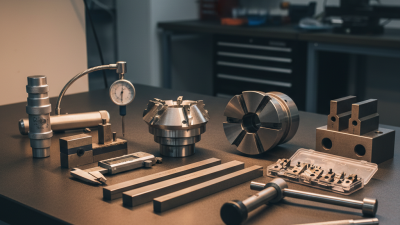
Quality control measures must accompany the use of machining tools. Inspecting parts frequently helps catch errors early. This proactive approach prevents larger problems down the line. In a fast-paced production environment, it's easy to overlook these checks. Yet, doing so can save time and resources. Tight attention to detail can make a significant difference in manufacturing outcomes.
Statistical Analysis of Production Efficiency with Advanced Machining Tools
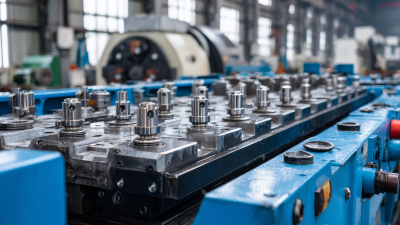
Precision manufacturing relies heavily on advanced machining tools. These tools enhance production efficiency and ensure high-quality output. A recent statistical analysis shows that the implementation of sophisticated machines can significantly reduce production time. The data indicates that manufacturing processes become more streamlined. For instance, turbochargers can be produced 30% faster with CNC machines.
Additionally, the analysis highlights areas for improvement. Some manufacturers still use outdated tools, causing inefficiencies. Workers often face challenges in adapting to new technologies. Overcoming this gap requires training and a shift in mindset.
The statistics reveal a correlation between tool advancement and reduced errors. Machining tools minimize human errors through automation. This aspect amplifies precision in production. However, there’s a need for ongoing evaluation and update of machinery. Failure to do so may lead to stagnation in growth and competitiveness. Embracing innovation without overlooking employee adaptation remains crucial for success.
Impact of Advanced Machining Tools on Production Efficiency
Impact of CNC Technology on Precision Manufacturing Speed and Consistency
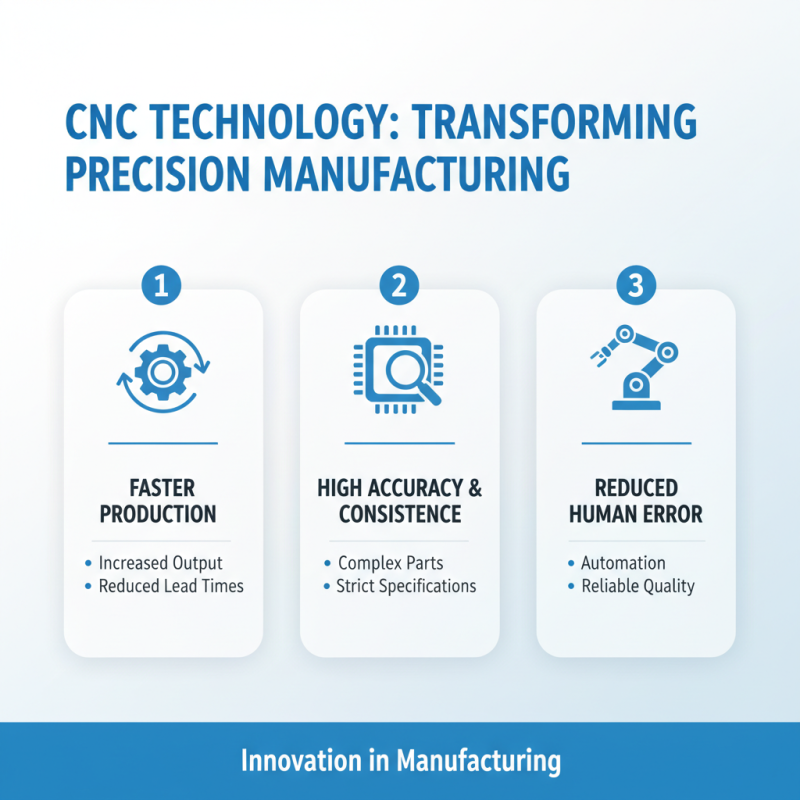
CNC technology has transformed precision manufacturing. It allows for faster production rates and high consistency in the machining process. With CNC machines, manufacturers can produce complex parts that require high accuracy. The automation reduces the possibility of human error, ensuring each component meets strict specifications.
Speed is another critical factor. CNC machines operate continuously, cutting down production time significantly. Adjustments and changes to designs can be made quickly. This flexibility is vital in responding to market demands. However, this technology also has a learning curve. Operators need training to maximize the machines’ potential.
Despite its advantages, challenges remain. Initial setup and programming can be time-consuming. Maintenance is crucial for optimal performance. Over time, even CNC machines may show wear and tear. Regular checks can prevent costly downtime. Understanding these aspects is essential for long-term success in precision manufacturing.
Future Trends and Innovations in Machining Tools for Precision Industries
The future of machining tools is bright, with innovations transforming precision manufacturing. Automation is at the forefront. Robotic arms and CNC machines are becoming smarter. They enhance speed and accuracy. These advancements reduce human error but might overlook creativity in design.
Sustainability is another key trend. Machining tools now focus on energy efficiency. Manufacturers are seeking eco-friendly materials to minimize waste. However, the challenge lies in balancing performance with environmental concerns. Some designs may sacrifice durability for sustainability, a trade-off that needs careful consideration.
Furthermore, additive manufacturing is gaining ground. 3D printing complements traditional machining. This synergy offers new possibilities and can disrupt existing workflows. Yet, there's a learning curve associated with integrating these technologies. As industries adapt, the focus must remain on precision, efficiency, and innovation without compromising on quality.