
What Are the Top Types of Bending Machines?
Choosing a Bending Machine starts with understanding the shape of the material and the work it must perform. A sheet-metal shop may rely on a press brake for controlled, straight bends, while a panel bender can suit repeated panels and faster production. Roll bending forms broad curves in sheet or plate. Tube and pipe bending machines shape round sections, where wrinkles, flattening, and springback need attention. Different jobs. Different demands.
This guide compares the top types of bending machines and explains where each one is commonly used. It considers material, thickness, bend radius, accuracy, production volume, tooling, and setup time. These details matter on the shop floor: a thick steel plate, a narrow aluminum flange, and a curved tube rarely call for the same process. A machine’s stated capacity is useful, but it does not tell the whole story. Tooling condition, operator experience, and the part’s design can affect the result. Specifications deserve a closer look.
The aim is not to name one machine as best for every workshop. That answer is rarely simple. Instead, the sections ahead outline typical strengths and trade-offs, helping readers compare options before requesting quotes or planning a production line. Check technical claims against current manufacturer documentation, and test demanding parts where practical. One overlooked detail can change the choice. A careful comparison can prevent an expensive mismatch.
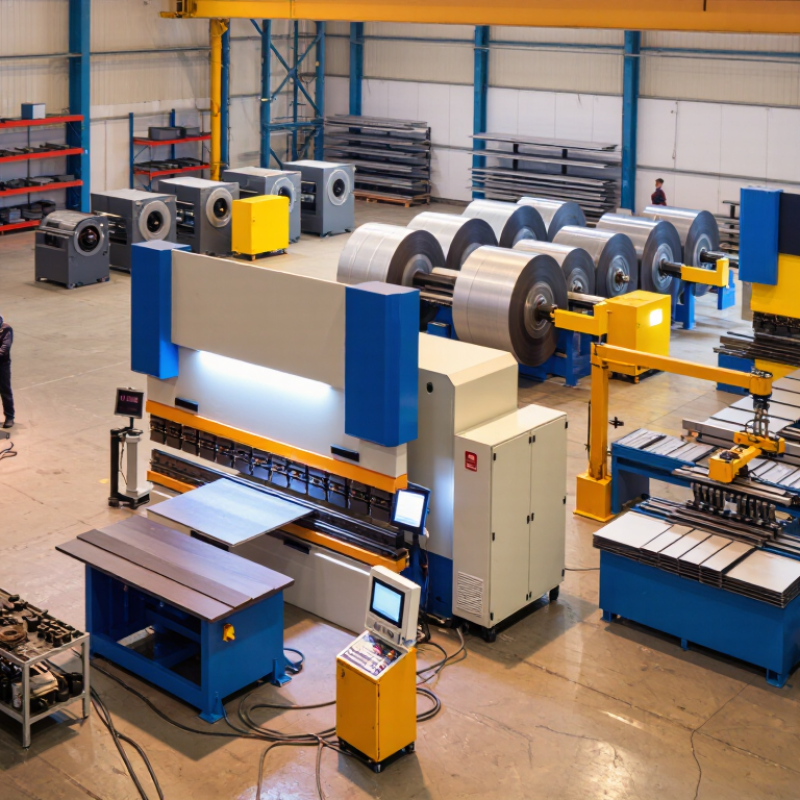
Table of Contents [Hide]
Main Types of Bending Machines and Their Uses
Press brakes are widely used to form sheet metal into angles, channels, and simple enclosures. A punch presses the sheet into a die, while the operator adjusts the bend angle and back gauge. They suit varied production runs, but material thickness and springback can change the result. Test bends help.
Roll bending machines form broad curves by passing sheet or plate between rollers. They are common in tank shells, ducts, and curved panels. The radius depends on roller position, material thickness, and the number of passes. Large plates need careful support. Setup matters.
Tube and section bending machines shape round tubes, pipes, and structural profiles. They are used for handrails, frames, and vehicle components. Mandrels can help prevent thin tubes from collapsing, though tooling adds setup time. Panel benders fold sheet edges quickly and consistently, making them useful for cabinets and appliance panels. Folding machines also create straight, repeatable bends, especially on long sheets. The best choice depends on the part, material, batch size, and required accuracy. One detail is easy to underestimate: a machine’s capacity rating does not guarantee a clean bend on every material. Check the tooling and test a sample.
What Are the Top Types of Bending Machines? - Main Types of Bending Machines and Their Uses
| Machine Type | How It Works | Typical Materials and Workpieces | Common Uses | Key Considerations |
|---|---|---|---|---|
| Press Brake | A punch presses sheet or plate into a die to form straight bends. Machines may use hydraulic, electric, or mechanical drive systems. | Sheet metal and plate, commonly steel, stainless steel, and aluminum. | Enclosures, brackets, panels, cabinets, and structural sheet-metal parts. | Well suited to accurate, repeatable straight bends. Tooling, material thickness, bend length, and springback affect the result. |
| Panel Bender | Clamping and bending tools form sheet edges, often with automated handling and tool movement. | Thin to medium-gauge sheet metal, including steel and aluminum. | Electrical cabinets, appliance panels, doors, and large sheet-metal enclosures. | Can be efficient for repeated panel work and multiple bends. Part size, flange geometry, and production volume influence suitability. |
| Folding Machine | A clamping beam holds the sheet while a folding beam rotates to bend the projecting edge. | Sheet metal and thin plate, often used for long, straight folds. | Roofing and cladding components, trays, channels, ductwork, and long panels. | Useful for long bends and parts with delicate surfaces. The machine’s working length and folding capacity limit part dimensions and thickness. |
| Three-Roll Plate Bending Machine | Three rollers progressively curve plate as it passes between the rolls; roller adjustment controls the bend radius. | Metal plate and sheet, including carbon steel, stainless steel, and aluminum. | Cylinders, tanks, shells, cones, and curved architectural components. | Designed for curved profiles rather than sharp, straight bends. Pre-bending capability and minimum roll diameter vary by machine configuration. |
| Tube and Pipe Bender | A die and bend tooling guide tube or pipe around a defined radius; some machines use mandrels to support the inside wall. | Round, square, or rectangular tubing and pipe, depending on tooling and machine design. | Exhaust systems, handrails, frames, furniture, and fluid-handling assemblies. | Tube diameter, wall thickness, bend radius, and material affect ovality and wrinkling. Tooling must match the workpiece geometry. |
| Angle Roll Bender | Adjustable rolls progressively curve structural sections as the workpiece passes through the machine. | Angles, channels, flat bars, and selected beams or other profiles. | Curved frames, arches, rings, railings, and structural or architectural profiles. | Different profile shapes require suitable roll arrangements. Section orientation and strength can affect distortion and the achievable radius. |
| Rotary Draw Bender | A rotating bend die draws the tube around a fixed radius; a pressure die supports the tube during forming. | Metal tubing, including thin-wall tubing when appropriate support tooling is used. | Vehicle tubing, roll cages, furniture frames, and precision tubular assemblies. | Produces controlled, repeatable bends. Bend radius, tube wall thickness, and the need for a mandrel depend on the material and geometry. |