What is a Food Warmer and How to Choose the Best One?
A Food warmer is an essential kitchen appliance for anyone who enjoys hosting or runs a food service business. Its primary function is to keep prepared dishes at optimal temperatures, ensuring that food remains fresh and appetizing. Choosing the right food warmer can significantly enhance your cooking efficiency and improve the dining experience. This decision may seem straightforward, but multiple factors need consideration.
Not all food warmers are created equal. Some are designed for large-volume holding, while others cater to smaller portions. Understanding your needs is crucial in making the right choice. A poorly chosen food warmer can lead to unsatisfactory results. It may not maintain the desired temperature or could consume more energy than necessary.
When assessing different options, consider features like size, heating capacity, and ease of use. Durability and brand reputation also play a vital role. Prioritizing these aspects ensures that your food warmer meets your expectations and stands the test of time. Reflecting on your priorities will guide you toward a decision that aligns with your culinary goals.
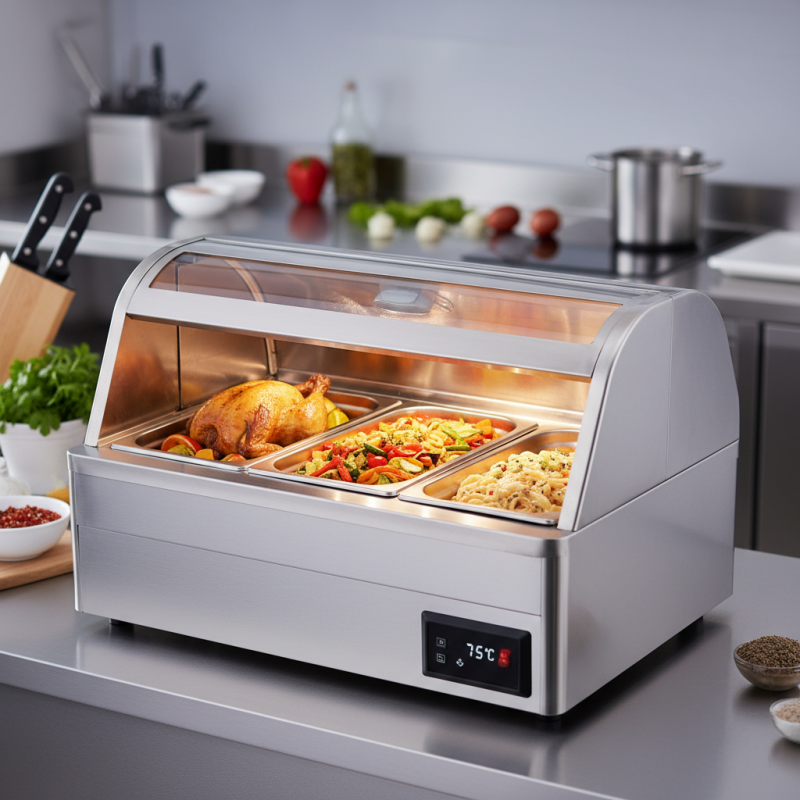
What is a Food Warmer and Its Purpose in Food Service Industry?
In the food service industry, a food warmer plays a crucial role in maintaining the quality of prepared meals. It ensures that food is served at safe temperatures, safeguarding against bacteria and spoilage. According to industry reports, foodborne illnesses cause about 48 million cases in the U.S. each year. Utilizing a food warmer can mitigate these risks significantly.
A smart choice of food warmer can enhance service efficiency. Options vary from countertop warmers to large buffet solutions. Selecting the right type depends on the scale of operations. For instance, a food truck may require compact warmers, while a banquet hall might opt for larger models. A 2022 report indicated that well-implemented food safety practices, including equipment use, can decrease incidents by 30%.
**Tips:** Consider the range of temperatures a warmer can maintain. Some models operate effectively from 140°F to 160°F. Ensure it meets local health department standards. Regular maintenance is essential. Check gauges and heating elements for accuracy. Keeping food warm is not just about temperature; it's also about food quality. Monitoring and adjusting is vital.
Food Warmer Types and Their Average Temperature Ranges
This chart illustrates the average temperature ranges for different types of food warmers commonly used in the food service industry. Understanding the heating capabilities of each type is crucial for maintaining food safety standards and enhancing service quality.
Types of Food Warmers: Choosing Between Heated Displays and Buffet Warmers
When selecting a food warmer, understanding the types available is crucial. Heated displays are common in restaurants and catering settings. They maintain food at a safe temperature while allowing visibility. According to industry reports, these displays can reduce food waste by up to 30%. They serve both functionality and presentation, making them ideal for buffets and self-service areas.
In contrast, buffet warmers focus on keeping food hot over longer periods. They usually feature pans or trays and often use water baths for even heating. A report by the National Restaurant Association revealed that using buffet warmers can enhance customer satisfaction, as food quality is preserved longer. Many establishments report less customer complaints with proper warming solutions.
However, choosing the right warmer is not always straightforward. Often, restaurants may underestimate their maximum customer capacity. This oversight can lead to inadequate food supply and higher waste levels. It is essential to evaluate your business needs and customer flow carefully. Balancing between heated displays and buffet warmers can significantly impact your food service efficiency and customer experience.
What is a Food Warmer and How to Choose the Best One?
| Type of Food Warmer | Ideal Use | Temperature Control | Capacity | Price Range |
| Heated Display | Restaurants, Cafés, Convenience Stores | Adjustable | Varies (1-10 trays) | $200 - $1,500 |
| Buffet Warmer | Buffets, Catering, Events | Fixed | 8-10 quarts | $100 - $600 |
| Countertop Warmer | Small Kitchens, Food Trucks | Manual | 5-15 quarts | $100 - $400 |
| Self-Serve Warmer | Fast Food, Diners | Adjustable | 1-5 trays | $150 - $800 |
| Portable Warmer | Picnics, Outdoor Events | Manual | 10-20 quarts | $50 - $300 |
Key Features to Consider When Selecting a Food Warmer
When choosing a food warmer, certain features are vital. First, consider the capacity. A food warmer should meet your needs, whether for a small gathering or a large event. According to industry reports, warmers with capacities ranging from 5 to 20 quarts dominate the market. These sizes allow for flexibility in serving diverse portions.
Another key feature is temperature control. Many models offer adjustable settings to ensure food is kept at safe temperatures. This is crucial in preventing foodborne illnesses. The FDA recommends maintaining hot food at a minimum of 140°F. Look for warmers with reliable indicators. They reassure users that food remains within safe heating ranges.
Ease of cleaning also matters. Stainless steel surfaces are preferred for sanitation reasons. They resist staining and allow easy maintenance. A warmer that is difficult to clean may lead to long-term issues. Studies indicate that over 30% of food service businesses prioritize hygiene. A direct correlation exists between cleanliness and customer trust in food safety.
Industry Standards and Safety Regulations for Food Warmers
When considering a food warmer, understanding industry standards and safety regulations is paramount. Food warmers must comply with health codes that govern safe temperature levels. Maintaining food at 140°F (60°C) or above is essential to prevent bacterial growth. Regularly checking the device's calibration ensures accuracy and safety. It’s important to choose models with temperature indicators to facilitate monitoring.
Tips: Always inspect the food warmer for any wear and tear. A damaged unit may not operate effectively. Don't overlook the importance of regular cleaning. A clean warmer prevents cross-contamination and upholds food safety.
The choice of material in food warmers also impacts safety. Stainless steel is preferred for its durability and ease of cleaning. Ensure that the warmer has proper insulation to maintain temperature without excessive energy consumption. Look for features such as automatic shut-off to enhance safety protocols in commercial settings. Prioritizing these elements can lead to a reliable food warmer that meets industry standards.
Market Trends: The Growing Demand for Energy-Efficient Food Warmers
The demand for energy-efficient food warmers is rising rapidly. Restaurants and catering services seek solutions to keep food at optimal temperatures without excessive energy use. This shift corresponds to broader sustainability goals across the food industry. As businesses face rising energy costs, efficiency plays a critical role in decision-making.
Consumers increasingly prefer appliances that address both performance and environmental impact. Energy-efficient food warmers can help lessen carbon footprints effectively. Features like energy-saving modes and precise temperature control are becoming essential for modern appliances. This aligns with growing consumer awareness about energy consumption.
However, buyers must consider compatibility with existing systems. Not all energy-efficient models fit every kitchen. There might be limitations regarding space and power supply. It's vital to weigh these practical aspects against the benefits offered. Making informed choices involves careful evaluation and understanding of specific needs.