
Choosing a U300b Suspension Glass Isolator in 2026 is not simply a matter of matching a catalog number to a voltage. Utility engineers and procurement teams must check mechanical load ratings, electrical performance, creepage distance, coupling dimensions, and actual line conditions. Salt spray, dust, industrial pollution, altitude, and wet seasons can all influence the right selection. Small details matter. A pin or socket mismatch can delay installation, while an overlooked loading assumption may affect an entire insulator string.
This guide offers a practical way to compare options without treating one specification as universal. It explains which nameplate values to verify, how to review drawings and test records, and what to ask suppliers about glass quality, metal fittings, batch traceability, and inspection. A suitable product should meet the project’s design criteria and applicable standards, not merely offer an attractive unit price. Confirm current requirements with the responsible engineer, and ensure documents match the exact product and production lot. Product descriptions are not always perfectly clear; even experienced buyers can miss a small revision. That is worth acknowledging. The sections ahead help turn selection into a documented review, from site conditions to delivery checks, so teams can identify gaps before ordering and avoid assumptions that are difficult to correct once hardware reaches the line.
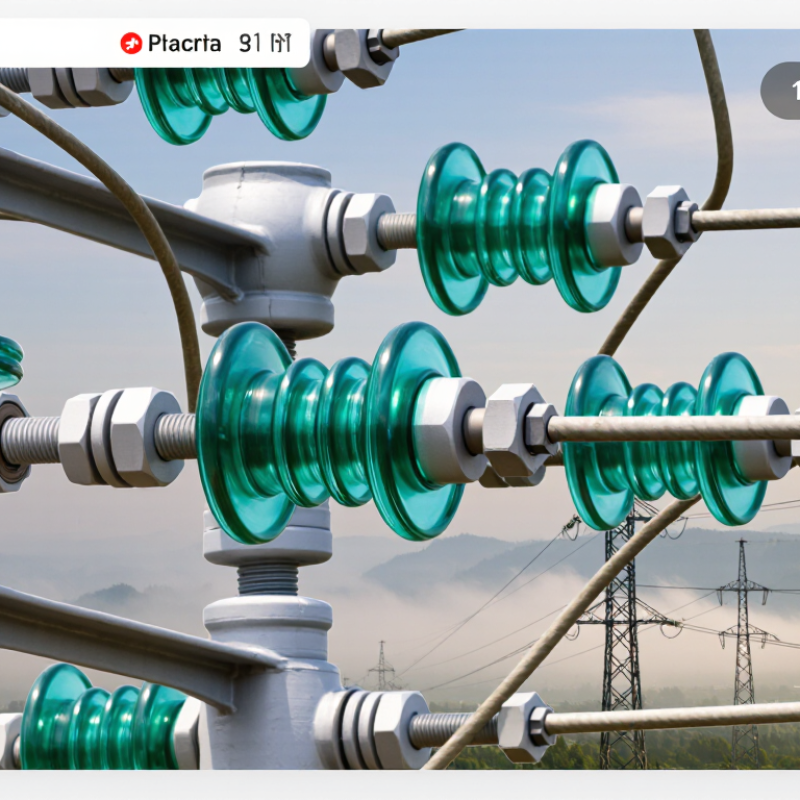
Choosing a U300b suspension glass isolator starts with the actual line environment. Do not select it by voltage alone. Confirm the system voltage, conductor weight, span length, tower angle, and expected mechanical tension. Check wind, ice, vibration, and short-circuit forces as well. A U300b unit is commonly associated with a 300 kN mechanical rating, but project standards and markings must be verified carefully.
Pollution conditions can change the required creepage distance. Coastal salt, cement dust, industrial smoke, and desert sand need different protection strategies. Examine the site after rain and during dry periods if possible. Altitude may affect insulation coordination and corona performance. Also check fitting dimensions, coupling type, string length, and maintenance access. Field experience shows that small hardware mismatches can delay installation. I have seen apparently suitable strings fail the final fit check.
Tips: Request certified mechanical and electrical test data. Compare the isolator with the complete string assembly, not alone. Inspect glass surfaces for chips, cracks, or unusual haze before installation. Confirm washing methods and inspection intervals with the line operator. Leave room for doubt. Local conditions are often less predictable than design reports. When requirements conflict, ask an experienced engineer to review the loading calculations and applicable technical standards.
A U300B designation usually indicates a nominal mechanical rating near 300 kN. It does not automatically confirm suitability for every transmission line. Check the applicable standard, because coding practices can vary between suppliers and regions. Match the insulator string with the system’s highest operating voltage, not only its nominal voltage. Confirm line-to-ground stress, switching surges, and lightning impulse requirements. Do not guess.
In field reviews, I have found that creepage distance often receives less attention than mechanical strength. That can be a costly mistake in coastal, industrial, or dusty areas. Compare the specified creepage distance with the site pollution level and local contamination patterns. Wet power-frequency withstand voltage also matters. A long, clean-looking string may still perform poorly when salt or cement dust forms a conductive film.
Review the complete assembly, including fittings, grading rings, conductor movement, and tower clearances. Verify the U300B mechanical load against everyday tension, wind, ice, and uneven string loading. Ask for type-test and routine-test records from an accredited laboratory. Installation altitude may reduce external insulation performance, so apply the relevant correction factors. I would also inspect glass quality and sealing details, although visual inspection cannot replace certified testing. One practical weakness remains: design margins are sometimes copied from older projects without checking today’s pollution or surge conditions. Recalculate them.
For a U300B suspension glass insulator, mechanical strength starts with the rating, not the catalogue photograph.
IEC 60305 specifies 300 kN as the nominal electromechanical failing load for the U300 class. Treat that figure as a benchmark, not a working-load target.
Check the line’s maximum tension, hardware compatibility, and the required design safety margin. Also inspect batch test certificates and confirm that the coupling dimensions match the string assembly. Small mismatches matter. A strong disc cannot compensate for a poorly fitted connection.
Environmental performance needs equal attention.
IEC TS 60815-1 gives reference unified specific creepage distances from 22 to 53.7 mm/kV across site-pollution severity classes. Use local evidence—salt deposits near coasts, conductive dust near industrial sites, and wetting patterns on the actual route—to judge the appropriate level.
Glass surfaces can make damage easier to spot, but that does not remove flashover risk under contamination. One limitation is easy to overlook: a clean laboratory test cannot reproduce every field condition.
I would compare pollution records with inspection findings, then reassess after a wet season. That step is not glamorous, but it can expose a mistaken assumption.
How to Choose U300b Suspension Glass Isolator in 2026?
A U300b suspension glass isolator should match the line’s electrical and mechanical requirements, not just its catalog designation. Confirm the specified voltage, creepage distance, coupling dimensions, and mechanical load rating against the project documents. Design details matter. A well-shaped glass shell sheds water and limits areas where dirt can collect. Check that the metal end fittings align cleanly and that the cemented joints show no visible gaps or unevenness. Small flaws matter.
Material selection affects service life. Tempered glass offers a clear view of damage, while fitting coatings and cement quality influence resistance to corrosion and environmental stress. Ask for documented production controls, including checks on glass forming, tempering, assembly, and final inspection. Reliable quality records should connect test results to identifiable production batches. Look closely. Useful verification may include dimensional checks, mechanical strength testing, and electrical tests performed under the applicable specification. Where operating conditions include sharp temperature changes or heavy contamination, review relevant thermal and environmental test evidence. A checklist cannot predict every site condition. I would still compare supplier records with the actual installation environment, especially when exposure varies across a line. That final judgment deserves care.
Compare standardized mechanical failing load classes as a starting point for evaluating design, materials, and quality controls.
How to read this chart: U300B denotes a nominal mechanical failing load class of 300 kN. The chart compares common rated-load classes; it does not replace checks of system voltage, creepage distance, dimensions, applicable standards, or supplier test records. Confirm glass quality controls and required type, sample, and routine tests against the project specification.
Confirm Compliance, Supplier Reliability, and Installation Fit
A U300B suspension glass insulator should be checked against the project specification, not selected by its designation alone. Confirm the required mechanical rating, dimensions, creepage distance, and coupling type. Review applicable IEC 60305 and IEC 60383-1 requirements, plus utility-specific drawings. Request type-test and routine-test records, with batch numbers that match the delivered units. Check that test reports identify the tested design and laboratory.
Paperwork matters. So does traceability.
The IEA’s 2023 report, Electricity Grids and Secure Energy Transitions, says annual grid investment must rise from about $300 billion to over $600 billion by 2030. That scale makes dependable component selection important, though the figure is not a measure of insulator failure risk.
Supplier reliability needs more than a polished catalogue. Ask how the supplier controls glass quality, metal fittings, and production changes. Confirm inspection records and a clear process for handling nonconforming units. I would still double-check certificates against the actual order; a complete-looking file can conceal a mismatched model.
For installation fit, compare string length, ball-and-socket dimensions, hardware clearances, and conductor spacing with the tower drawing. Check the full assembly, including grading rings or arcing hardware where specified.
A mismatch may only become obvious at the structure. That is an avoidable surprise.
A brief review by the installation team can catch access or lifting constraints before delivery.
"*" indicates required fields