What is a Laser Cutting Machine and How Does It Work?
The laser cutting machine has revolutionized manufacturing across various industries. According to a report by ResearchAndMarkets, the global laser cutting market is projected to reach $4.74 billion by 2024. This growth reflects the technology's increasing efficiency and precision. The machine employs focused laser beams to cut through materials, ensuring clean edges and intricate designs.
In automotive and aerospace sectors, laser cutting machines are vital. They enhance production speed while reducing waste. However, not all businesses have fully adopted this technology. Factors like high initial costs and technical training can hinder progress. Despite the challenges, many companies recognize the benefits of this advanced machinery.
The versatility of a laser cutting machine makes it valuable in metal, wood, and textile industries. Yet, its operating process is not without flaws. Issues like material thickness and surface finish can affect quality. Understanding these variables is crucial. Embracing this technology requires reflection and adaptation to ensure success in the competitive market.
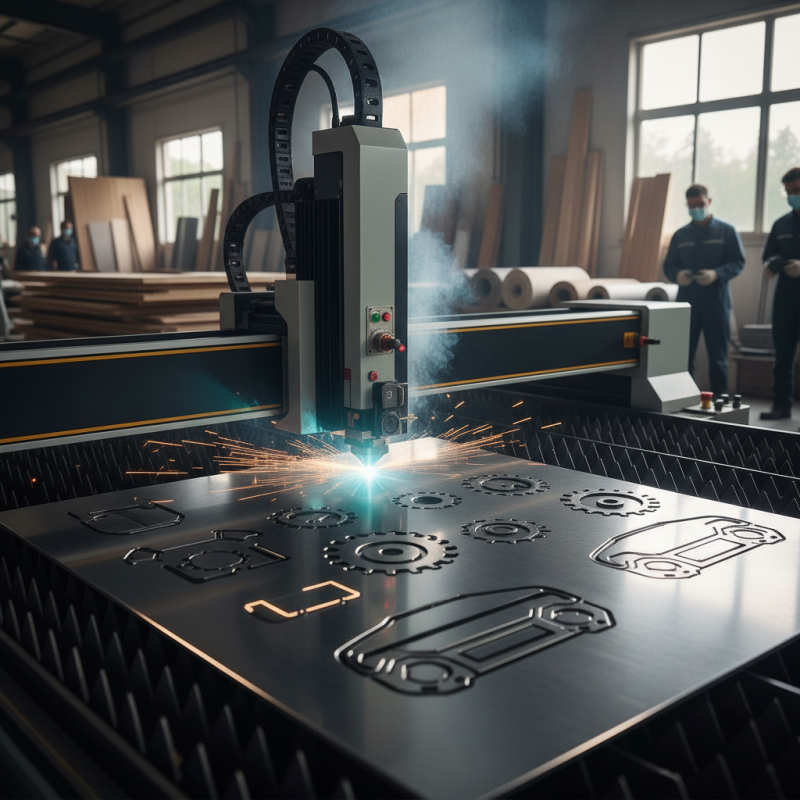
What is a Laser Cutting Machine: Overview and Types
Laser cutting machines are powerful tools used in various industries. They utilize focused laser beams to cut through materials like metal, wood, and plastic. The precision of the laser allows for intricate designs and clean cuts. This technology can enhance efficiency and reduce waste in manufacturing processes.
There are several types of laser cutting machines. CO2 lasers are popular for non-metal materials. They are effective for wood and acrylic. Fiber lasers, on the other hand, work well on metals. They offer higher cutting speeds and greater energy efficiency. Each type has its unique advantages.
Despite advancements, users may encounter challenges. Setting the right parameters is crucial for quality cuts. Inexperience can lead to mistakes. Regular maintenance is necessary to keep machines running smoothly. The initial investment can be substantial, prompting businesses to reflect on cost versus benefit. Understanding these nuances is key for effective use.
Laser Cutting Machine: Overview of Usage in Different Industries
Principles of Laser Cutting Technology: How It Operates
Laser cutting technology operates on a simple yet powerful principle. It uses a focused beam of light to cut through materials. This beam is generated by a laser source, usually a gas or solid-state laser. The concentrated energy melts or vaporizes the material. This process creates precise cuts with minimal waste. According to a report by Research and Markets, the laser cutting market is expected to grow significantly. It projects a compound annual growth rate (CAGR) of around 5.5% from 2021 to 2026.
The effectiveness of laser cutting largely depends on the material and thickness involved. For metals, lasers can achieve high precision and speed. However, some materials may absorb energy differently, leading to uneven cuts. Not all applications yield perfect results. For instance, reflective metals like copper can pose challenges, resulting in potential damage to the machine. Industry experts often recommend testing on scrap material before proceeding with full production. This helps identify any unexpected issues.
In applications from automotive to aerospace, the laser cutting technique proves versatile. It offers intricate designs that are difficult to achieve with traditional methods. Yet, the initial setup costs remain a barrier for some businesses. Additionally, safety measures must be in place, as high-powered lasers can be hazardous. According to the Industrial Laser Solutions journal, improper training or equipment misuse can lead to accidents. Balancing efficiency and safety is essential in this evolving field.
Applications of Laser Cutting in Various Industries
Laser cutting technology has transformed various industries by providing precise and efficient cutting solutions. In manufacturing, it is widely used to cut materials like metal, plastic, and wood. The precision of laser cutting minimizes waste and enhances product quality.
In aerospace, laser cutting is crucial for creating intricate parts that require exact specifications.
Textile industries have also embraced laser cutting to create unique patterns and designs. This process allows for quick prototyping and reduces lead times. The ability to cut fabrics without fraying edges is a major advantage.
In automotive applications, laser cutting is used for both parts and assemblies, ensuring durability and performance.
Tips: Always assess material compatibility with laser cutting. Not every material cuts well. Experiment with settings for better results. Take note of the environment; dust and humidity can affect laser performance. Regular maintenance of the machine is vital. A clean lens can significantly improve cutting quality.
Advantages of Laser Cutting Compared to Traditional Methods
Laser cutting technology has revolutionized the manufacturing sector. Unlike traditional methods, it uses concentrated light to cut through materials. This process delivers precision that manual cutting cannot achieve. According to a report by MarketsandMarkets, the global laser cutting machine market is expected to reach $5 billion by 2025, highlighting its growing importance.
One significant advantage of laser cutting is speed. Laser machines can operate faster than traditional cutting tools. This efficiency reduces production time and operational costs. A study from the International Journal of Advanced Manufacturing Technology found that laser cutting can achieve a speed increase of up to 50% compared to mechanical cutting.
However, it’s important to consider potential drawbacks. Laser cutting can lead to heat-affected zones, which may compromise material integrity. Not every material is suitable for laser cutting. For instance, reflectivity issues can occur with certain metals. Manufacturers need to weigh these factors carefully.
Future Trends in Laser Cutting Technology and Market Growth
Laser cutting technology is evolving rapidly. A report by MarketsandMarkets predicts that the laser cutting market will grow from $3.6 billion in 2022 to $5.5 billion by 2027. This growth is driven by the increasing demand for precision in manufacturing. Industries such as automotive, aerospace, and electronics are leading this trend. Companies are seeking more efficient ways to cut and process materials with minimal waste.
Key trends include the incorporation of automation and artificial intelligence. These technologies enhance speed and precision. Moreover, fiber laser cutting systems are gaining popularity. They offer greater efficiency and lower operating costs. A recent study indicates that fiber lasers can reduce cutting times by up to 30% compared to traditional methods. However, transitioning to these advanced systems can be costly and may pose challenges for small businesses.
Innovation is vital in this competitive landscape. Companies must invest in research and development to stay ahead. Sustainability is another critical factor. The industry is exploring eco-friendly practices, such as using less energy. However, these shifts require careful planning and investment, which can deter many firms. The future of laser cutting relies on balancing efficiency with sustainability while navigating potential barriers to growth.
What is a Laser Cutting Machine and How Does It Work? - Future Trends in Laser Cutting Technology and Market Growth
| Aspect | Description | Current Market Trends | Future Growth Predictions |
| Definition | A device that uses a laser to cut materials. | Increased adoption in automotive and aerospace industries. | Projected growth of 5% CAGR by 2028. |
| Working Principle | Uses focused laser beams to melt, burn, or vaporize materials. | Advancements in fiber laser technology. | Emergence of AI for improved precision. |
| Materials Used | Metals, plastics, wood, and fabrics. | Growth in usage of biodegradable materials. | Increase in multi-material cutting capabilities. |
| Applications | Manufacturing, signage, and fashion industries. | Rising demand for customization in products. | Expansion into medical applications. |
| Cost | Variable based on size and capabilities. | Lower costs due to technological advancements. | Potential for cost reduction by 15% in next 5 years. |