What is Lathe Machining and How Does it Work?
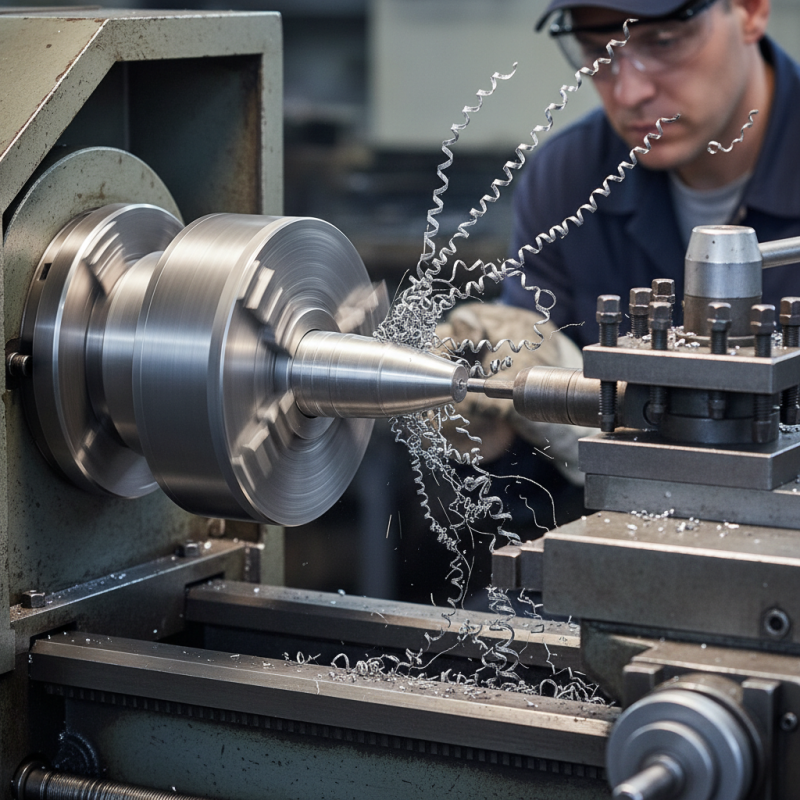
Lathe machining is a fundamental process in manufacturing. It involves rotating a workpiece against a cutting tool to shape and finish it. This process can create various complex shapes, making it essential in industries like automotive and aerospace.
The lathe machine features a simple yet effective design. A motor spins the workpiece, while a tool removes material to form the desired shape. Precision is critical in lathe machining. Even a minor mistake can lead to significant flaws in the final product. Manufacturers must pay attention to detail to avoid such issues.
Understanding lathe machining's mechanics is crucial for operators. The skillset required is extensive, ranging from basic to advanced techniques. Issues can arise during machining, requiring continuous learning and improvement. It's a process that highlights the balance between innovation and craftsmanship.
Understanding Lathe Machining: A Comprehensive Overview
Lathe machining is a fundamental process in the manufacturing industry. It involves a rotating workpiece and a stationary cutting tool. This setup allows for the precise shaping of materials like metal and wood. The lathe can create various shapes, including cylinders, cones, and threads. Operators must have skill and attention to detail. Any oversight can lead to improper dimensions or poor surface quality.
Understanding lathe machining requires grasping its key components. The main parts include the bed, headstock, tailstock, and carriage. Each part plays a critical role. The bed provides stability, while the headstock houses the motor. The tailstock is used for supporting long workpieces. Operators often face challenges, such as tool wear and vibrations. Adjustments might be necessary to ensure accuracy.
Lathe machining offers numerous possibilities. However, it demands experience and patience. Mistakes can occur, leading to wasted materials. Reflecting on past projects can improve future outcomes. Continuous learning is essential in this craft. Embracing imperfections often leads to better skills and techniques over time.
Lathe Machining: Production Volume by Material Type
This chart illustrates the production volume of different material types processed using lathe machining. The values represent the number of units produced in a month across various materials.
The Fundamental Principles of Lathe Machining Processes
Lathe machining is a process that shapes materials through rotation. The workpiece spins around its axis, while a cutting tool removes unwanted material. This method is crucial in creating cylindrical shapes. It can also produce threads, grooves, and complex profiles. The simplicity of this operation makes it widely used in various industries.
The fundamental principle of lathe machining revolves around precision and control. The operator carefully adjusts the speed and feed rate. These settings directly impact the quality of the finished product. An incorrect speed can lead to overheating, while improper tool angles may create poor finishes. It’s a balance that requires skill and experience.
Lathe machining relies on several key factors. Material type matters greatly, as some are easier to cut than others. Tool hardness and sharpness also affect the outcome. Inevitably, mistakes can occur. An inexperienced operator may overlook critical adjustments. Reflection on these errors helps improve techniques and outcomes over time. Understanding all elements involved is vital for achieving optimal results.
Key Components and Tools Involved in Lathe Machining
Lathe machining is a fundamental manufacturing process. It shapes materials like metal and wood. The key components in lathe machining include the bed, headstock, tailstock, and carriage. Each part plays a crucial role in ensuring precision. The bed supports the entire machine and maintains alignment. The headstock houses the motor and spindle. It drives the workpiece as it spins.
Tools used in lathe machining are essential for accuracy. Common tools include cutting tools, which can vary in shape and size. For instance, a standard parting tool enables precise cuts. Coolants help in reducing heat during operation. Research shows that improper tool choice can lead to a 15% increase in production time.
Additionally, operators must be aware of tool wear. Monitoring tool condition is crucial. A worn tool could diminish quality and increase waste. Optimizing tool usage directly affects efficiency. Industry reports indicate a potential 20% cost increase due to ineffective tool management.
What is Lathe Machining and How Does it Work? - Key Components and Tools Involved in Lathe Machining
| Component/Tool |
Description |
Function |
| Lathe |
A machine for shaping metal or wood by means of a rotating drive. |
To remove material from a workpiece to create cylindrical shapes. |
| Cutting Tool |
A tool used to cut material from the workpiece. |
To reshape the material by cutting edges. |
| Tailstock |
A component that supports the other end of the workpiece. |
To stabilize the workpiece during machining. |
| Headstock |
The section of the lathe that contains the main drive motor and the spindle. |
To provide rotation to the workpiece. |
| Chuck |
A device used to hold the workpiece in place on the lathe. |
To securely grip the workpiece during machining operations. |
| Carriage |
The part that houses the cutting tool and moves it along the workpiece. |
To facilitate precise movement of the cutting tool. |
Step-by-Step Procedure of Lathe Machining Operations
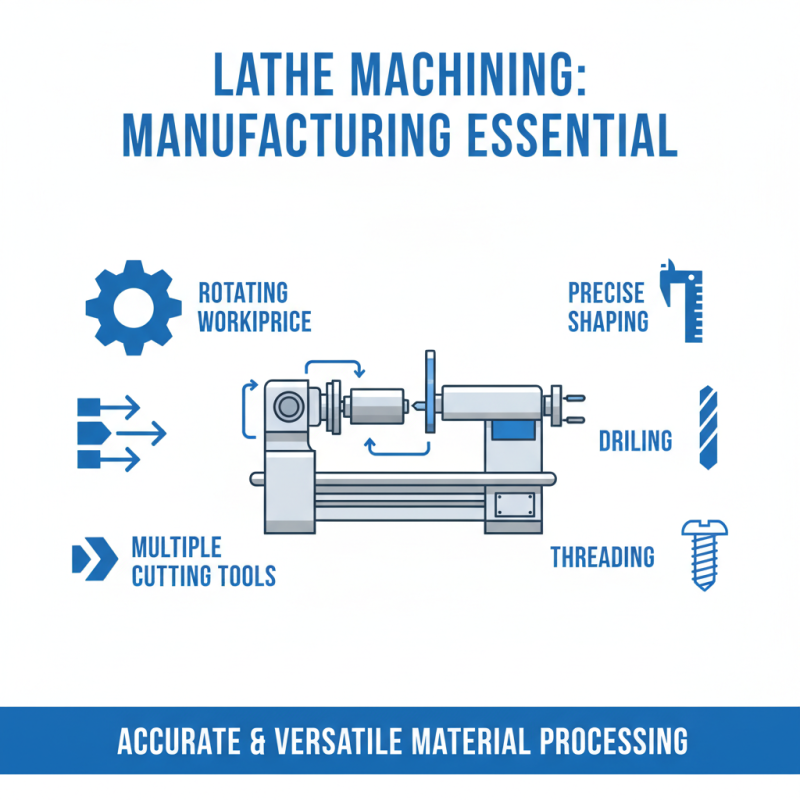
Lathe machining is a vital process in manufacturing. It involves rotating a workpiece against multiple cutting tools. The precise nature of lathe operations allows for accurate shaping, drilling, and threading of various materials.
To conduct lathe machining, begin with setup. Secure the material in the chuck. Double-check the alignment; even minor misalignments lead to errors. Next, select appropriate cutting tools based on material hardness and desired finish. Set the speed and feed rate; this is critical. According to recent industry reports, optimal speed can influence tool life by up to 30%.
During the machining process, it's essential to monitor wear on the tools. Abrasive wear can compromise quality. Regularly inspect cuttings; they should be consistent and smooth. Adjust settings if necessary to refine the finish. Take breaks to clear chips in the workspace. This not only enhances safety but also maintains productivity.
Tips for success: always follow safety protocols. Wear protective gear and keep the workspace clean. Experiment with different speeds and feeds during practice sessions. Mistakes are a part of learning, so document them for future reference. Embrace each lesson, even if it feels challenging.
Applications and Benefits of Lathe Machining in Manufacturing
Lathe machining is a versatile process widely used in manufacturing. It shapes materials into precise forms using rotational cutting. This technique applies to various materials, including metals, plastics, and wood. Industries rely on lathe machining for components that require high precision.
One significant application is in the automotive sector. Lathes produce intricate parts like shafts and gears. These components are crucial for vehicle functionality. Likewise, the aerospace industry uses lathe machining to meet strict safety standards. The resulting products must be reliable and durable.
Tips: Ensure the material is secure before starting the lathe. Loose materials can lead to errors. Always wear safety goggles to protect your eyes. Lathe settings may require adjustments based on the material type. Patience is vital; rushing can lead to mistakes that are costly.
Another application is in creating custom tools. Machinists often shape tools for specific needs. This enhances productivity and efficiency in various processes. However, not every lathe user achieves perfect results. It requires practice and a keen eye for detail. Mistakes serve as learning opportunities, pushing users to improve.