What is Metal Hydraulic Formed Bellows and Its Uses?
In the world of engineering and manufacturing, Metal Hydraulic-Formed Bellows play a crucial role. These components are essential for accommodating thermal expansion and contraction in piping systems. Renowned expert Dr. James K. Redding, a leading figure in bellow technology, states, "Metal Hydraulic-Formed Bellows are vital in ensuring mechanical integrity and system longevity."
The unique production method of hydraulic forming provides these bellows with enhanced strength and flexibility. As industries increasingly demand reliability, the importance of quality metal bellows grows. Their applications range from automotive to aerospace, demonstrating versatility in various settings. Each type of bellows serves specific needs, yet the complexities of production can lead to occasional flaws.
Manufacturers face challenges in achieving the perfect balance of durability and performance. Every design requires careful consideration of materials and processes. The pursuit of perfection in Metal Hydraulic-Formed Bellows is ongoing. Continuous innovation is essential to meet evolving industry standards and customer expectations.
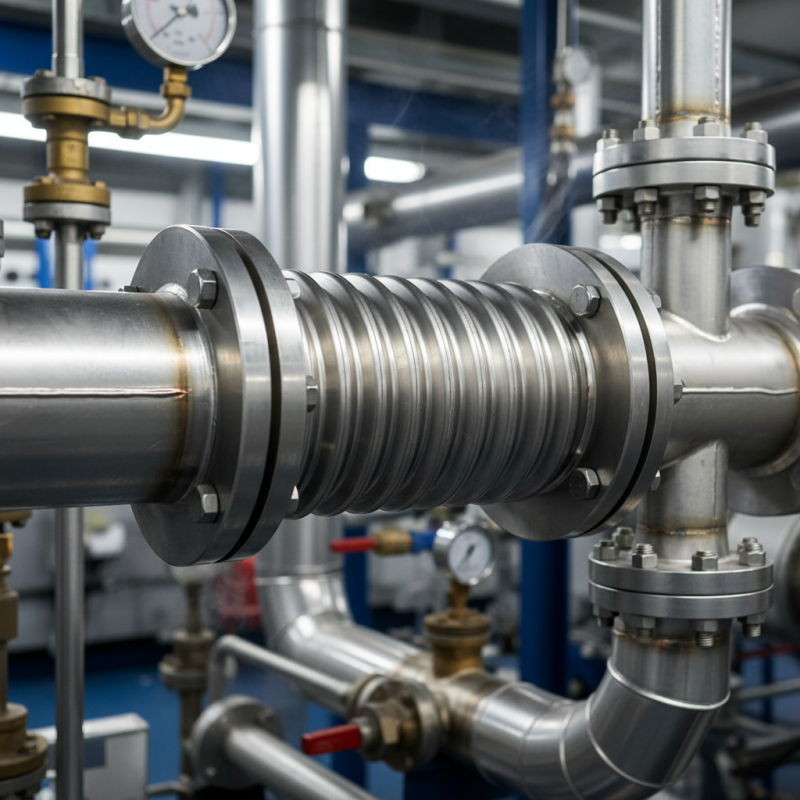
Definition and Composition of Metal Hydraulic Formed Bellows
Metal hydraulic formed bellows are critical components in various industrial applications. These bellows are typically made from thin metal sheets, often stainless steel or other corrosion-resistant alloys. This construction allows them to withstand high pressure while providing flexibility. The precise engineering of metal bellows ensures they maintain their shape under dynamic conditions, which is essential for the performance of hydraulic systems.
In a recent industry report, it was noted that the use of metal hydraulic bellows is projected to grow by 8% annually over the next five years. This growth is attributed to their adaptability in sectors like aerospace, automotive, and energy. For example, in the aerospace industry, these bellows are employed in hydraulic systems. Their ability to absorb shocks and accommodate thermal expansion enhances system reliability.
The metallic composition is often optimized for specific applications. Factors like thickness, material type, and manufacturing process can significantly impact performance. Testing these components is crucial. Even minor defects in manufacturing can lead to failures, emphasizing the need for stringent quality control. Hence, engineers must strike a balance between performance and durability while maintaining cost-effectiveness.
Uses of Metal Hydraulic Formed Bellows
Manufacturing Process of Metal Hydraulic Formed Bellows
Metal hydraulic formed bellows are precision-engineered components. They are widely used in various industries, especially where flexibility and movement are required. The manufacturing process involves several key steps, each critical to ensuring functionality and performance.
The manufacturing process begins with the selection of appropriate metal materials. Stainless steel and other alloys are often preferred for their durability. After materials are chosen, sheets are cut into specific shapes. These shapes are then formed into bellows using hydraulic pressure, ensuring tight seals and flexibility. The forming technique allows for varying sizes and designs tailored to specific requirements.
Tip: When selecting materials, consider both the operating environment and required lifespan. The right choice can significantly impact performance.
Post-forming, the bellows undergo quality checks. These ensure that dimensions are precise, and the integrity of the seals is maintained. Surface treatments may also be applied to enhance corrosion resistance.
Tip: Regular maintenance checks can prevent failures and extend the lifespan of bellows. Keeping an eye on wear and tear is vital for operational efficiency.
In conclusion, the manufacturing process of metal hydraulic formed bellows combines precision and material science to create reliable components for many applications. It's a process that requires expertise and attention to detail, reflecting the complexity of modern engineering.
Applications of Metal Hydraulic Formed Bellows in Various Industries
Metal hydraulic formed bellows are versatile components used across various industries. They are essential in managing pressure fluctuations and accommodating movement. In the automotive sector, these bellows are vital in exhaust systems. They reduce vibrations and thermal expansion, promoting system longevity. According to a report from MarketsandMarkets, the global automotive bellows market is expected to reach $8 billion by 2026, reflecting significant growth.
In aerospace applications, metal hydraulic formed bellows serve critical functions. They provide a reliable seal in hydraulic systems that operate in extreme conditions. A study indicated that these components could sustain pressures up to 3000 psi. Their ability to withstand high temperatures and aggressive environments makes them indispensable. However, the design process can be complex, leading to challenges in manufacturing consistency.
Moreover, in the oil and gas industry, metal hydraulic formed bellows help manage fluid movements in pipelines. Their reliability ensures safety and efficiency. Despite their durability, some manufacturers report issues with fatigue and wear over time. Regular maintenance is necessary to avoid catastrophic failures. While these bellows have proven effective, continuous improvement in material technology is essential to increase their lifespan and performance.
What is Metal Hydraulic Formed Bellows and Its Uses? - Applications of Metal Hydraulic Formed Bellows in Various Industries
| Industry | Application | Material Used | Temperature Range | Key Benefits |
| Aerospace | Pressure and fuel handling systems | Stainless Steel | -60°C to 1200°C | Durability and high thermal resistance |
| Automotive | Exhaust systems and engine mounts | High-Strength Alloys | -40°C to 900°C | Vibration absorption and noise reduction |
| Chemical Processing | Fluid transfer and containment | Nickel Alloys | -50°C to 700°C | Corrosion resistance and strength under pressure |
| Power Generation | Steam and gas turbine components | Carbon Steel | -30°C to 1100°C | High performance and efficiency |
| Manufacturing | Machinery seals and protective covers | Aluminum | -20°C to 500°C | Lightweight and flexibility |
Advantages of Using Metal Hydraulic Formed Bellows
Metal hydraulic formed bellows offer unique advantages in various applications. They are often designed to accommodate movement while maintaining a sealed environment. This makes them ideal for industries like aerospace, automotive, and manufacturing. These bellows can handle high pressures and temperatures, ensuring durability in challenging conditions.
One key advantage is their flexibility. Metal bellows can compress and extend according to system demands. This allows for movement without compromising integrity. Additionally, their metal construction resists wear and tear. Unlike rubber, they don’t degrade easily over time. This longevity can reduce maintenance costs and downtime.
However, the manufacturing process of these bellows can be complex. The precision required to create a reliable product often leads to higher initial costs. Not all applications may justify these expenses. It's essential to weigh the specific needs against the benefits they provide. Failing to do so may lead to over-engineering or underperformance in certain situations.
Maintenance and Inspection of Metal Hydraulic Formed Bellows
Regular maintenance and inspection of metal hydraulic formed bellows are crucial for ensuring their longevity and performance. These components are often exposed to high pressures and extreme temperatures. Therefore, frequent checks can help identify wear and potential failures early. Visual inspections should be conducted for surface cracks, corrosion, or other signs of deterioration. A simple visual approach can sometimes reveal significant issues.
In addition to visual inspections, physical tests can further assess their integrity. This might include measuring their flexibility and resilience. Operators should ensure that flex fatigue hasn't affected their performance. Regularly checking operational parameters, such as pressure and temperature, can provide insights into how well the bellows are functioning. Small deviations might indicate deeper problems.
Documentation during inspections can help track performance over time. However, not all inspections are foolproof. Missing a small tear or a slight corrosion spot can lead to failures. Operators should remain vigilant and proactive. The goal is to maintain the efficiency and reliability of these essential components in hydraulic systems. Regular maintenance can mitigate unexpected downtimes and costly repairs.