What is a Ship Loader and How Does it Work?
A Ship Loader is a vital piece of equipment in the maritime and logistics sectors. It plays a crucial role in moving bulk materials from the shore to cargo ships. The efficiency of a Ship Loader can significantly impact shipping operations and supply chain management. Understanding how it works is essential for professionals in these industries.
Ship Loaders come in various designs and sizes, depending on the material they handle. They can load coal, grain, minerals, and other staples. These machines often utilize conveyor belts, chutes, and other technologies to move products rapidly. The speed and precision of the loading process are imperative for maintaining schedules and reducing costs.
While Ship Loaders enhance operational efficiency, challenges exist. Mechanical failures can lead to delays, impacting overall logistics. Operators must be trained to handle the equipment safely and efficiently. An understanding of the machine's mechanics can help mitigate risks and improve performance. By refining their use, companies can safeguard against potential issues that could arise during loading operations.
What is a Ship Loader?
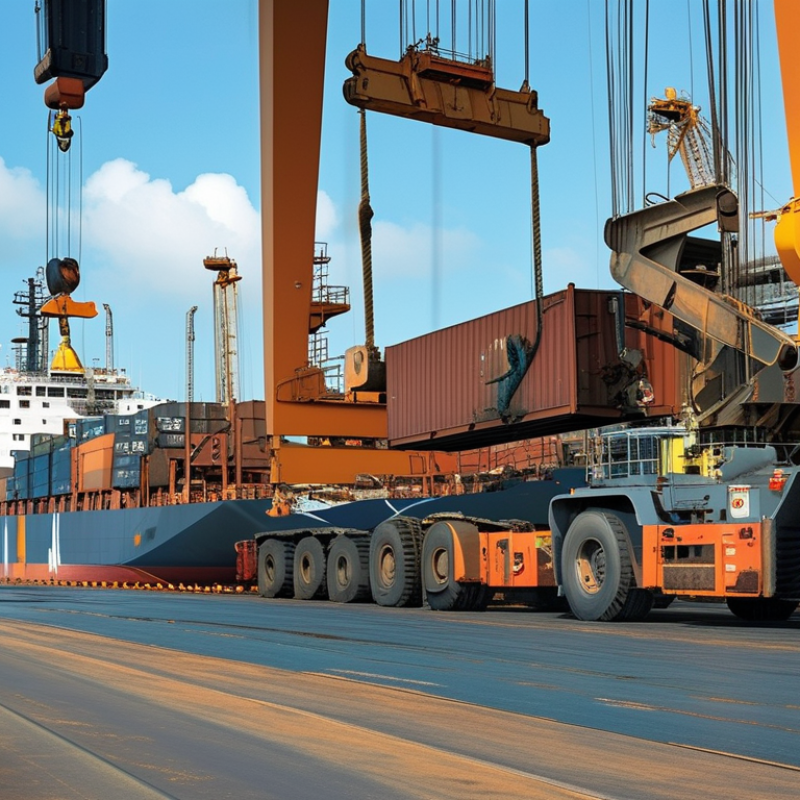
A ship loader is a vital piece of equipment at ports and terminals. It facilitates the loading of bulk materials onto ships for transport. These machines handle various commodities, including coal, grain, and minerals. Their design varies, but the core function remains the same: efficient loading.
The operation of a ship loader can seem straightforward. However, it requires precision. Operators must ensure that the material is loaded evenly, avoiding shifts during transit. This ensures safety. Moreover, the loader's speed can impact the overall efficiency of shipping operations. Capable of moving tons of material per hour, the effectiveness of a ship loader can significantly influence logistical costs.
It’s essential to maintain these machines regularly. Wear and tear can reduce performance and increase the risk of accidents. Inspections should be routine. Workers must be trained to spot potential issues early. While ship loaders are robust, human oversight is crucial to maximize their reliability and efficiency. Even small mistakes can lead to significant delays.
What is a Ship Loader and How Does it Work?
| Feature | Description | Operational Capacity | Typical Applications |
| Type | Mobile and Fixed | 500-3,000 tons/hour | Bulk cargo handling |
| Components | Conveyor system, loading arms, hoppers | - | Minerals, grain, coal |
| Advantages | Fast loading, efficient use of space, improves turnaround | - | Export terminals, coal docks |
| Maintenance | Regular inspections, lubrication of moving parts | - | Operational safety and efficiency |
| Environmental Impact | Minimized dust and noise emission designs | - | Compliance with regulations |
Components of a Ship Loader
A ship loader is a crucial piece of equipment used in bulk material handling. It efficiently loads cargo onto ships, ensuring a smooth transfer of goods from land to sea. Understanding the components of a ship loader reveals the complexity and capability of this machine.
One of the primary components is the loading arm. It extends to reach the ship's hold, allowing for precise placement of materials. The conveyor system moves bulk materials from the stockpile to the loading arm. This system includes belts, pulleys, and control mechanisms that ensure consistent flow. The discharge chute directs the materials exactly where needed.
Another significant component is the control system. It oversees the entire operation, regulating speed and monitoring weight. The effective operation relies on real-time data, adjusting as necessary. Safety features, such as emergency stops and alarms, are essential to prevent accidents during operations. Despite advancements, challenges like equipment wear and environmental factors can hinder performance, prompting users to continually assess operational efficiency.
How Ship Loaders Operate: A Step-by-Step Process
Ship loaders are vital in the shipping industry. They facilitate the efficient transfer of cargo from land to vessels. Understanding how these machines work can enhance operational efficiency significantly.
The loading process begins with the arrival of the ship at the dock. Once docked, the ship loader positions itself, typically using a mobile system. It often spans multiple rail tracks, allowing quick access to various cargo types. According to a report by the American Association of Port Authorities, efficient loading processes can reduce turnaround time by up to 35%. This efficiency is critical, especially in high-volume shipping conditions.
Next, conveyors and buckets or grabbers transport cargo from storage to the ship. The systems are usually automated, ensuring precision and speed. Various sensors help monitor the process, ensuring that loads are consistent and within required limits. However, challenges can arise, such as delays caused by equipment malfunctions or miscommunication among personnel. Continuous training and monitoring are essential for maintaining effectiveness. Studies show that approximately 20% of loading mishaps are linked to human error, highlighting the need for improved operational protocols and training.
Types of Ship Loaders and Their Applications
Ship loaders are essential for efficiently transferring bulk materials to vessels. They vary greatly in design and application, catering to different industries and cargo types. Among the most common types are telescopic, continuous, and grab ship loaders. Each type serves unique needs, impacting loading speed and efficiency.
Telescopic ship loaders are ideal for loading materials with precision. They adjust to various ship heights, allowing for effective loading in diverse conditions. A report by Market Research Future indicates that the demand for telescopic loaders in the bulk material handling market is projected to grow by 6.5% annually until 2027. This growth is driven by the increasing shipping volumes of agricultural products and minerals.
Continuous ship loaders, on the other hand, are designed for high-capacity operations. They facilitate a steady flow of materials, significantly enhancing operational efficiency. These machines are often seen in ports handling coal or iron ore. Their application is crucial, as a study by the International Maritime Organization showed that efficient loading can reduce turnaround times, leading to cost savings for shipping companies. However, operators must regularly maintain these systems to prevent breakdowns, emphasizing the importance of both performance and reliability.
Safety and Maintenance Considerations for Ship Loaders
Ship loaders play a vital role in the maritime logistics landscape. Their operation involves moving bulk material from land to ship efficiently. However, ensuring safety and proper maintenance is crucial for their longevity and reliability.
Regular inspections are essential for ship loaders. Visual checks should happen daily, while detailed assessments occur weekly. Any signs of wear or damage need immediate attention. Safety is paramount; operators must wear protective gear and adhere to safety protocols. An overlooked hazard can lead to significant accidents, making training for operators non-negotiable.
Maintenance practices vary greatly. Regularly lubricating moving parts is one key step. However, many neglect the significance of thorough cleaning. Dust and debris accumulation can hinder functionality. Also, it's easy to overlook scheduled downtime for repairs. This oversight could escalate into costly breakdowns. Employers need to foster a culture where safety and maintenance are priorities.
Ship Loader Efficiency by Load Type