How to Source Travel Motor Assy for Global Procurement?
Sourcing Travel Motor Assy for global procurement requires a strategic approach. These components are vital for various machinery and equipment in numerous industries. Understanding your supplier landscape is essential.
Evaluating potential suppliers can reveal their capabilities and reliability. Look for manufacturers with certifications that ensure quality. Consider factors such as lead times, service, and support. A well-rounded assessment builds trust.
Sometimes, procurement can feel overwhelming. The market is competitive, and prices vary significantly. Be prepared to dig deeper into a supplier's history. This reflection can unveil weaknesses and opportunities. Balancing cost with quality is a challenging but necessary endeavor.
Understanding Travel Motor Assembly Components and Functions
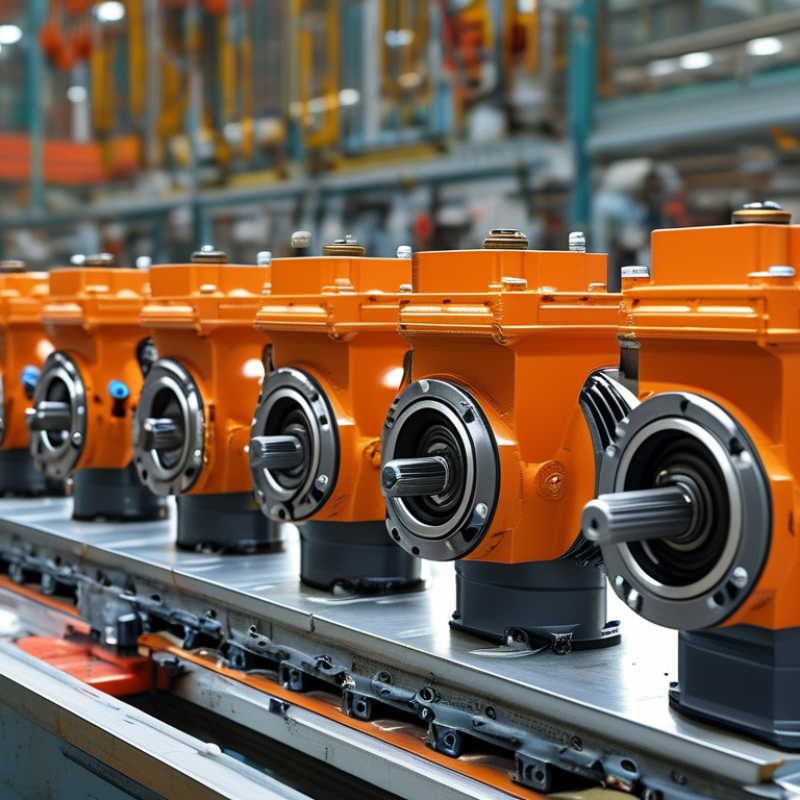
When sourcing a travel motor assembly (TMA), it's important to understand its components and functions. A TMA typically consists of a hydraulic motor, planetary gear sets, and interface structures. These components work together to provide precise control over machinery movement. According to industry reports, nearly 65% of construction equipment failures stem from hydraulic system issues, emphasizing the need for quality in sourcing TMAs.
An effective TMA should deliver reliable performance under varying conditions. The hydraulic motor converts fluid energy into mechanical power. Meanwhile, the planetary gear sets ensure optimal torque distribution. This design aids in handling heavy loads. However, not all TMAs are created equal. Sourcing lower-quality assemblies can lead to increased maintenance costs and operational downtime.
Understanding the assembly's function is crucial for global procurement. Poorly designed TMAs can compromise machinery safety and efficiency. Research indicates that businesses facing hydraulic component failures incur costs averaging $10,000 per incident. This figure highlights the necessity of selecting high-quality travel motors. Organizations must weigh factors such as supplier reliability and component specifications without compromising on performance.
Identifying Key Suppliers for Travel Motor Assemblies in Global Markets
Sourcing travel motor assemblies for global procurement involves careful evaluation. Understanding local markets is essential for identifying potential suppliers. Countries like Germany, Japan, and the USA often have specialized manufacturers. These regions showcase advanced technology and production capabilities. Researching local industry clusters can reveal hidden gems.
Engaging with trade shows can provide insights. Exhibitions focused on automotive parts or machinery often attract key players. Networking at these events is crucial. Building relationships can lead to better deals and insights into supplier reliability. Online platforms can also help in finding suppliers. However, using multiple sources for validation is a must.
Assessing supplier capabilities is an ongoing challenge. Quality assurance processes should be scrutinized. Terms of service need to be clear. Sometimes, manufacturers may appear reliable but falter on delivery times. Regular follow-ups are necessary. A backup plan can mitigate risks associated with sourcing globally. Understanding these dynamics enhances procurement strategies.
How to Source Travel Motor Assy for Global Procurement?
| Supplier Location | Supplier Type | Annual Production Capacity | Quality Certification | Lead Time (Days) | Price Range (USD) |
| China | Manufacturer | 100,000 units | ISO 9001 | 30 | $50 - $75 |
| Germany | Supplier | 60,000 units | ISO 14001 | 25 | $80 - $100 |
| USA | Distributor | 40,000 units | ISO 9001 | 15 | $90 - $120 |
| India | Manufacturer | 80,000 units | ISO 9001 | 45 | $40 - $60 |
| South Korea | Supplier | 70,000 units | ISO 14001 | 20 | $70 - $90 |
Evaluating Quality Standards for Travel Motor Assemblies
When sourcing travel motor assemblies, quality standards are crucial. Different applications demand specific performance criteria. A thorough evaluation ensures the assembly can withstand the rigor of its intended environment. Professionals should consider the material durability and design integrity. Components must meet industry standards to prevent failures.
Testing methods play a vital role in assessing quality. Functional tests verify performance under various loads. Non-destructive testing can reveal hidden defects. Engaging with suppliers about their testing protocols is essential. This dialogue can build confidence in their products. Nonetheless, not all manufacturers maintain consistent quality practices.
Documentation also matters. Clear specifications and certifications can guide sourcing decisions. Look for evidence of compliance with relevant industry standards. However, it can be challenging to verify these documents. Some manufacturers may inflate their quality claims. Investing time in due diligence will pay off in the long run. Balancing quality with cost is not easy, yet it is necessary for successful procurement.
Strategies for Negotiating Prices and Terms with Suppliers
Negotiating prices and terms with suppliers is crucial in sourcing travel motor assemblies for global procurement. Effective negotiation can lead to substantial savings. A recent industry report indicates that companies can achieve savings of up to 15% with well-planned negotiations. Understanding the supplier's market position is vital. Gather data about their production costs and market demand to frame your bargaining position. This knowledge not only enhances your credibility but also helps in creating a win-win scenario.
When entering negotiations, consider your priorities. It’s not just about price; quality, delivery timelines, and payment terms matter. Establish clear objectives before discussions. During negotiations, use silence effectively. It encourages suppliers to fill gaps, often leading to better offers. Remember, a collaborative approach fosters a stronger partnership.
Tips: Be transparent about your volume needs. Highlighting long-term potential can motivate suppliers to provide better prices. Keep an open dialogue; it encourages trust. Reflect on past negotiations to identify patterns that worked or didn’t. Continuous improvement in your negotiation strategy is key to successful procurement outcomes.
Travel Motor Assembly Price Negotiation Strategies
This chart illustrates the average price of travel motor assemblies per unit based on various procurement strategies used globally. The data reflects the effectiveness of different negotiation tactics.
Logistics and Supply Chain Considerations for Global Procurement
In the global procurement landscape, logistics and supply chain management play crucial roles. When sourcing a travel motor assembly, understanding the nuances of logistics can minimize delays. Efficient transportation methods must align with local regulations. This ensures timely delivery while complying with international standards.
One major consideration is shipping costs. These can vary greatly depending on distance and mode of transport. It's smart to evaluate multiple shipping options. Always keep an eye on the total landed cost. This includes shipping, customs duties, and handling fees. Often, the lowest shipping cost comes with hidden delays.
Tip: Establish relationships with reliable freight forwarders. Their expertise can streamline the process.
Another factor is inventory management. Maintaining appropriate stock levels prevents production interruptions. However, overstocking can lead to higher holding costs. It's a balancing act worth analyzing regularly.
Tip: Use technology to track your inventory. This real-time data can inform purchasing decisions and reduce waste.
Additionally, be prepared for unexpected challenges. Customs issues or supply chain disruptions can occur. Having contingency plans can save time and resources. Reflect on your previous experiences and adjust strategies as necessary. Always aim for improvements in your logistics approach.