What is a Three Winding Transformer and Its Benefits?
In the realm of electrical engineering, the Three Winding Transformer stands out for its unique design and numerous applications. This transformer features three separate windings, unlike traditional models. Each winding serves a distinct purpose, enhancing the transformer's versatility. Such a configuration allows for improved voltage regulation and energy efficiency.
Many industries benefit from a Three Winding Transformer. For instance, it plays a crucial role in power distribution systems. Its ability to manage multiple voltage levels simultaneously is highly valued. Yet, some challenges remain. The complexity of design can lead to higher costs and maintenance needs.
Understanding the Three Winding Transformer requires both expertise and practical knowledge. This hybrid system can provide significant advantages, but it demands careful consideration. Users must weigh the benefits against potential drawbacks. As the demand for efficient energy solutions grows, so does the importance of innovations like the Three Winding Transformer.
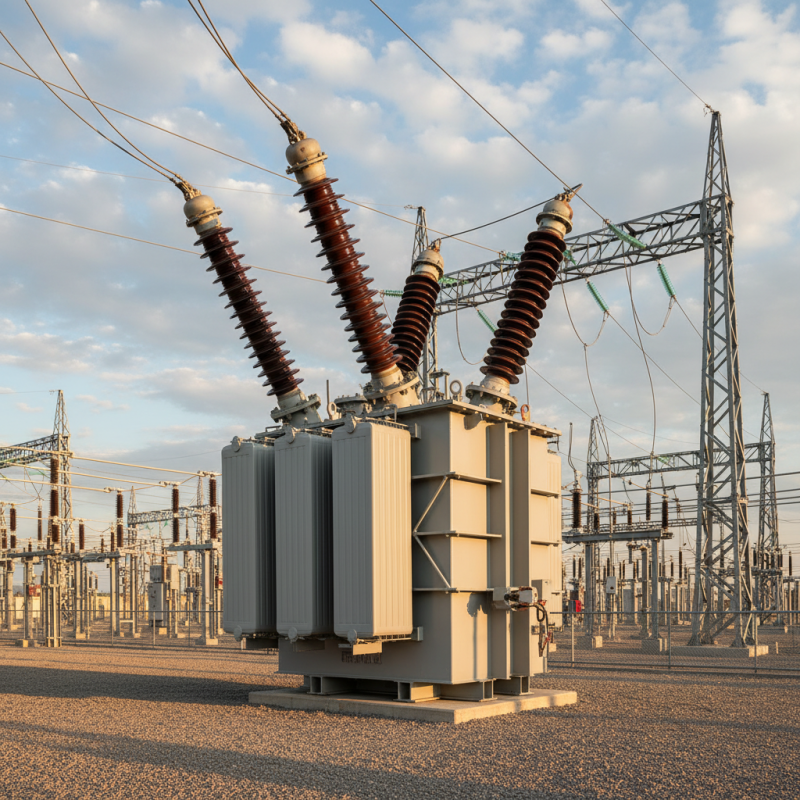
What is a Three Winding Transformer?
A three winding transformer is a specialized type of electrical transformer. It features three sets of windings, usually referred to as primary, secondary, and tertiary. The primary winding connects to the input power source, while the secondary and tertiary windings deliver energy to different load circuits. This unique design allows for voltage regulation and power distribution between multiple systems.
One key advantage of a three winding transformer is its ability to supply power to various voltages from a single unit. This flexibility makes it ideal for applications in industrial settings, where multiple voltage levels are required. Additionally, these transformers can help manage diverse load conditions effectively. They can balance power distribution, which minimizes losses and enhances equipment longevity.
However, operating a three winding transformer requires expertise. Engineers must consider factors like load characteristics and thermal management. Failures can occur due to poor loading or incorrect configuration. Regular maintenance is also crucial to ensure reliability. Understanding these complexities helps in optimizing performance and ensuring a safe operation.
Components and Design of Three Winding Transformers
Three winding transformers are a unique component in electrical systems. Their design includes three separate windings. These windings are typically divided into primary, secondary, and tertiary. Each winding serves different voltage levels. This configuration allows for versatile applications, particularly in power distribution.
The components of a three winding transformer include core materials, insulation, and the windings themselves. The core usually consists of silicon steel, which enhances magnetic efficiency. Insulation materials must withstand high voltages and temperatures. It's vital to ensure the windings are carefully arranged for optimal energy transfer. A flawed design could lead to energy losses or reduced efficiency.
Three winding transformers offer several benefits. They provide improved voltage regulation and minimize harmonic distortion. These advantages are crucial in industrial applications where stability matters. However, the design process can be complex, often requiring specialized knowledge. Achieving the right balance in winding ratios is challenging and requires careful consideration. Manufacturers must reflect on these intricacies to avoid common pitfalls.
What is a Three Winding Transformer and Its Benefits?
| Dimension | Specification |
| Type | Three Winding Transformer |
| Primary Voltage | 11 kV |
| Secondary Voltage | 0.4 kV |
| Tertiary Voltage | 1 kV |
| Power Rating | 500 kVA |
| Core Material | Silicon Steel |
| Application | Industrial Power Distribution |
| Key Benefit | Increased Efficiency and Voltage Regulation |
| Cooling Method | Oil-Immersed |
Working Principle of Three Winding Transformers
Three winding transformers play a crucial role in modern power systems. Their working principle revolves around electromagnetic induction. A primary winding connects to the power source, while secondary and tertiary windings increase output flexibility. This design enables efficient voltage regulation and distribution. Reports suggest that these transformers can improve system reliability by up to 20%.
In applications where variable loads exist, three winding transformers shine. They can manage power distribution in industries that experience fluctuating demands. They allow for seamless sharing of electrical energy among several networked devices. However, complexity in design can lead to challenges. Proper engineering and maintenance are critical.
**Tips:** Regular inspections can prevent potential failures. Monitoring performance metrics ensures maximum efficiency. Also, consider the environmental impact when installing transformers. Sustainable practices can enhance long-term benefits.
Benefits of Using Three Winding Transformers
The three winding transformer provides several advantages such as high efficiency, cost-effective solutions, excellent load handling capabilities, effective voltage stabilization, and flexible operation across different systems, making it a preferred choice in various applications.
Advantages of Using Three Winding Transformers
Three winding transformers offer significant advantages in electrical systems. One key benefit is their enhanced voltage regulation. By utilizing three separate windings, these transformers can efficiently manage load variations. This leads to improved stability and reliability in power distribution. In industrial settings, where load conditions can rapidly change, this feature is crucial.
Another notable advantage is their ability to facilitate efficient energy transfer between different voltage levels. This is particularly beneficial in applications requiring high flexibility. For instance, in renewable energy installations, there may be a need to connect generators operating at various voltage levels to the grid. A three winding transformer can streamline this process. Its design allows for seamless integration, promoting overall system efficiency.
However, three winding transformers may require careful consideration concerning installation and maintenance. These transformers can be more complex than two winding alternatives. Proper expertise is essential for their application and troubleshooting. Though the initial costs may be higher, the long-term benefits often justify the investment in many situations. Emphasizing these points ensures a balanced view of three winding transformers' advantages and challenges.
Applications of Three Winding Transformers in Electrical Systems
Three winding transformers play a vital role in electrical systems. They consist of three sets of windings, which allow for multiple voltage levels. This structure enhances versatility in a wide range of applications. In distribution systems, they help manage power flow efficiently. This efficiency reduces losses and ensures stability.
In industrial settings, three winding transformers are essential for supplying power to various machinery. They help in adjusting voltage levels, ensuring equipment operates optimally. A detailed analysis reveals that these transformers improve system reliability. However, their complexity can lead to challenges in maintenance. Regular assessment is critical to prevent failures.
In renewable energy applications, three winding transformers aid in integrating different energy sources. They provide flexibility in adjusting to varying power levels. Despite their benefits, improper installation can result in inefficiencies. It highlights the need for skilled professionals for installation and maintenance. As technology evolves, understanding their applications becomes even more crucial.