Top 5 Tips for Choosing the Right DC Contactor Relay?
In the world of electrical systems, choosing the right DC Contactor Relay is crucial. According to electrical engineer John Parker, “Selecting the right relay can make or break your circuit efficiency.” This highlights the importance of understanding the various options available. DC Contactor Relays play a vital role in controlling power to loads, making their selection essential for optimal performance.
When navigating through the choices, several factors come into play. Understanding load requirements, voltage ratings, and operational characteristics can be overwhelming. Each detail matters—especially in high-stakes environments like renewable energy systems or automation processes. A misstep could lead to inefficiency or, worse, equipment failure.
Yet, the process is not merely technical. It requires a mix of practical knowledge and experience. Many professionals overlook the subtleties that distinguish one relay from another. Reflecting on these nuances can lead to significant upgrades in system reliability. Ultimately, investing time in the selection process pays off in the long run.
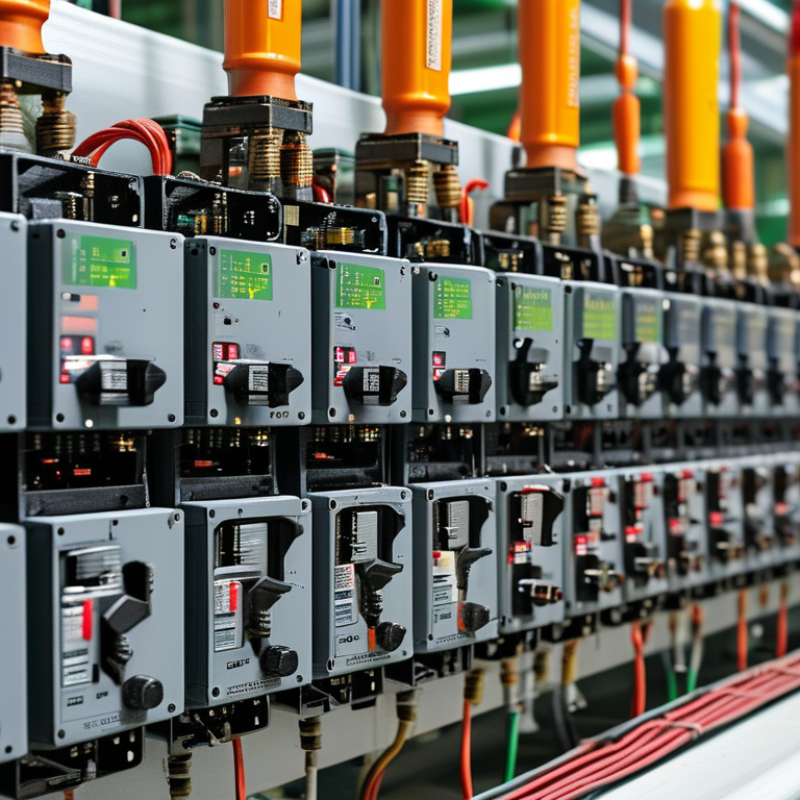
Understanding DC Contactor Relays and Their Applications
DC contactor relays play a crucial role in many electrical applications. They help control the flow of direct current in various systems, from industrial machinery to renewable energy setups. Understanding their operation is key to choosing the right model for your needs. These devices can manage high currents, ensuring safety and efficiency in electrical circuits.
When selecting a DC contactor relay, consider the voltage and current ratings carefully. Mismatched specifications can lead to failures. It’s also important to evaluate the relay's lifespan and operation cycles. Some relays wear out faster than others, especially under heavy loads. Failing to account for these factors can lead to unexpected costs in replacements or repairs.
Applications of DC contactor relays vary widely. They are used in electric vehicles, solar power systems, and automation equipment. Each use case demands specific features that can affect performance. Gaining a deeper understanding of these applications will help you make informed choices. Always factor in your unique requirements before purchasing.
Identifying Key Specifications for Your DC Contactor Relay
Choosing the right DC contactor relay involves understanding key specifications. The voltage rating is crucial. It determines how much voltage the relay can handle safely. For instance, a relay with a lower voltage rating may fail prematurely if used in a higher voltage circuit. Pay attention to this aspect to avoid malfunctions.
Current rating is equally important. It indicates the amount of current the relay can carry. If the relay carries too much current, it can overheat and become a fire hazard. Ensure the current rating of the relay aligns with your application. Also, consider the coil voltage. This affects the relay’s operation and efficiency.
Potential pitfalls exist. Overestimating the load capacity can lead to damage. Yet, underestimating could result in failure to operate. Always verify the specifications against your actual requirements. Lastly, think about the environmental factors. Dust, moisture, and temperature can impact relay performance. Evaluate these factors carefully.
Evaluating Compatible Voltage and Amperage Ratings
When selecting a DC contactor relay, evaluating voltage and amperage ratings is crucial. Voltage compatibility ensures that the relay operates efficiently within its designated range. According to industry studies, over 30% of failures in electrical systems stem from improper voltage selection. This can lead to overheating or premature wear.
Amperage ratings should fit the application's demand. A relay rated too low may trigger circuit interruptions or short circuits. The National Electrical Manufacturers Association (NEMA) recently highlighted that 25% of equipment failures occur when relay amperage ratings are underestimated. This indicates the importance of precise calculations based on load requirements.
Assessing environmental factors is also essential. Heat, humidity, and vibrations can affect relay performance. A detailed analysis of these factors helps in making informed choices about the right ratings. Ignoring these aspects can lead to costly operational downtimes and reduced system lifespan. Proper research and consultation with experts can mitigate these risks effectively.
Assessing the Reliability and Durability Features
When selecting a DC contactor relay, reliability and durability are essential factors. Studies indicate that 70% of equipment failures arise from poor relay performance. It’s crucial to assess the relay’s construction. Look for solid materials that can withstand high temperatures and electrical stress. Often, plastic enclosures cannot endure extreme conditions, leading to premature failures.
Another aspect to consider is contact wear. Relays typically face wear from high-frequency operations. A report from industry analysts suggests that relays should be evaluated based on their expected operational cycles. A relay rated for 10,000 cycles may falter significantly when subjected to 20,000 cycles. The duty cycle of the relay also impacts longevity. Properly understanding your application’s demands is vital. Choosing a relay meant for high-demand settings can save costs in the long run.
Testing protocols can reveal much about a relay's reliability. Look for data from independent testing facilities that assess stress and durability. Many relays do not disclose comprehensive testing results, making it hard to gauge real-world performance. Analyze available data carefully. This practice often reflects true reliability more accurately than marketing claims. Avoiding these pitfalls is crucial for making informed decisions.
Top 5 Tips for Choosing the Right DC Contactor Relay
| Tip | Description | Reliability Features | Durability Features |
| 1. Evaluate Current Ratings | Ensure the relay can handle the current load required by your application. | Check for thermal and electrical endurance ratings. | Look for materials that prevent wear and tear. |
| 2. Assess Voltage Ratings | Match the voltage rating to your circuit specifications. | Verify dielectric withstand voltage and insulation resistance. | Consider environments where voltage spikes may occur. |
| 3. Identify Coil Specifications | Choose the appropriate coil voltage and type for your needs. | Look for reliable operation at varying temperatures. | Check for moisture and dust resistance of the coil materials. |
| 4. Review Physical Enclosure | Consider the environmental factors where the relay will be installed. | Determine IP rating for dust and water resistance. | Assess resistance to vibration and impact. |
| 5. Check for Certification Standards | Ensure compliance with industry standards for safety and reliability. | Look for UL, CE, or other relevant certifications. | Verify lifespan ratings under normal operating conditions. |
Comparing Different Brands and Models for Quality Assurance
When selecting the right DC contactor relay, brand and model comparisons play a crucial role. Quality assurance should be a priority. Evaluate products based on the manufacturer's reputation and customer reviews. Look for details in the construction and reliability data of each option. This research can save you from costly failures.
Consider the specifications needed for your application. Each model may have unique features. Ensure compatibility with your system. Analyzing these can help narrow down your choices effectively. Quality testing reports provide insights into performance. Trustworthy brands often share this information openly, adding to their credibility.
Be wary of overly cheap options. They may tempt you but could compromise reliability. Find a balance between cost and performance. It's worth investing time in selecting the right product. Remember to ask for feedback from those with experience.
Choosing the right contactor involves research, but it pays off in the long run.
Top 5 Tips for Choosing the Right DC Contactor Relay
This chart summarizes the average specifications of DC contactor relays, emphasizing their importance when choosing the right model. Ensure the relay you select meets your required voltage, current ratings, and other essential characteristics.