7 Tips for Choosing the Right Foot Pedal Valve
Choosing the right Foot Pedal Valve can determine whether a pneumatic system feels controlled or frustrating. A pedal may look simple, yet its internal spool, port size, return mechanism, and operating pressure affect every cycle. A valve that works smoothly on a clean test bench may respond slowly beside dust, oil, vibration, or wet flooring. Small details matter.
Eric Lanke, President and CEO of the National Fluid Power Association, offers a useful reminder: “A fluid power system is only as reliable as the decisions made around it.” This principle fits Foot Pedal Valve selection well. The cheapest model may not deliver the lowest operating cost. A metal body can survive heavy use, but it may feel excessive for a light-duty workstation. A guarded pedal improves safety, although it can slow intentional access. There is no perfect choice.
This guide explores seven practical tips for comparing valve function, pressure ratings, port connections, materials, pedal feel, installation space, and maintenance needs. It also considers operator comfort, because a stiff pedal can turn a routine task into repeated strain. Check the manufacturer’s specifications. Then question them against the real workplace.
Many buyers focus on airflow first. That is understandable, but incomplete. Control response, contamination resistance, and replacement access deserve equal attention. Even experienced technicians miss one of these points sometimes. I have seen suitable valves fail because the mounting position invited debris buildup. The lesson is uncomfortable but valuable: selection should begin with actual conditions, not attractive catalog pictures.
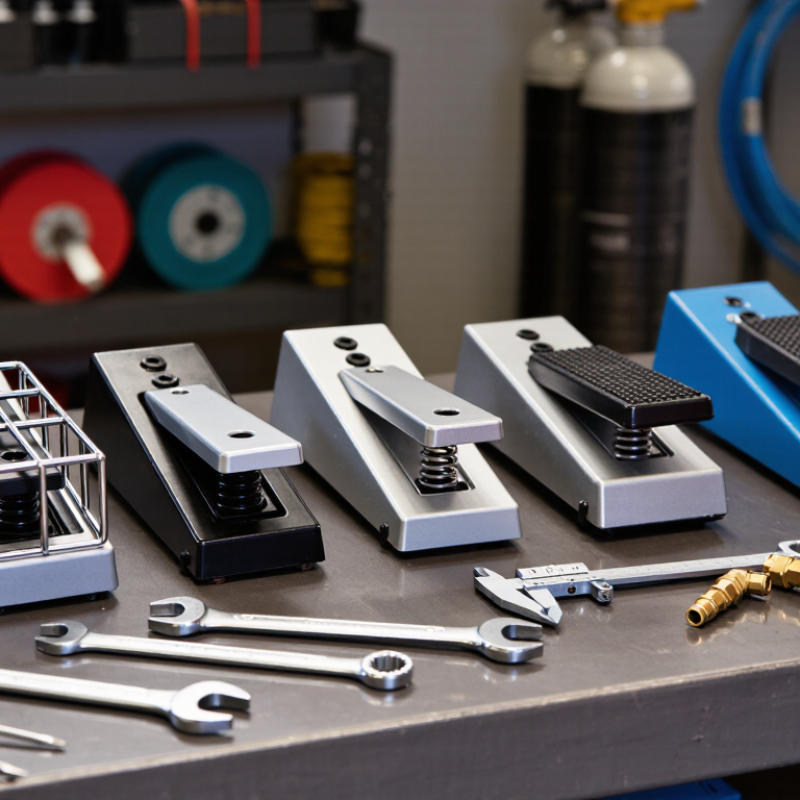
Identify the Application and Required Valve Functions
Choosing a foot pedal valve starts with the task, not the catalog page. Identify what the operator must control: a clamp, cylinder, air motor, or another actuator. Note the working medium, pressure range, cycle speed, and available mounting space. A dusty stamping area may need a guarded pedal and robust construction. A washdown zone may demand corrosion-resistant materials and protected exhaust paths. Do not overlook the operator’s footwear. Heavy boots change pedal feel.
Then define the required valve functions. A three-position valve can provide extend, neutral, and retract control. A two-position valve may suit simple on/off actuation. Decide whether the pedal should spring back, latch, or hold its state. Consider center conditions carefully. Closed-center, exhaust-center, and pressure-center behavior can produce very different actuator responses. Safety-related stopping needs separate engineering review. A valve alone is not a complete safeguarding system.
Before selecting a port size, measure the actuator’s flow demand and response time. Oversizing can make control touchy, while undersizing may slow the cycle. Check pressure ratings, temperature limits, seal compatibility, and duty cycle. Confirm that the connection standard matches existing tubing and fittings. A small mismatch can cause a large installation delay. Test the choice with gloves, normal footwear, and the actual air supply. Listen for leakage. Feel for unintended movement. I once treated pedal travel as a minor detail; it was not. Long travel reduced operator confidence and encouraged awkward foot placement. That lesson still matters.
Compare Valve Types, Materials, and Operating Configurations
Choosing a foot pedal valve requires more than checking port size. Type, material, and operating configuration affect safety, response, and maintenance.
Tip: Match the valve to the actuator. A 3/2 valve suits single-acting cylinders. A 5/2 valve controls double-acting cylinders. Select a maintained configuration for continuous operation. Choose momentary action when the cylinder must return after release.
Tip: Compare materials against the workplace. Aluminum is light and practical for clean, dry areas. Stainless steel offers stronger corrosion resistance near washdown zones. Engineering polymers can reduce weight, but they may age faster under heat or impact. Confirm seal compatibility with the air treatment chemicals.
The U.S. Department of Energy reports that compressed-air leaks can waste 20–30% of compressor output. A poorly chosen pedal valve can add unnecessary losses. Check its rated flow, pressure range, exhaust design, and connection size. Do not compare flow ratings blindly. Test methods and pressure drops may differ.
Tip: Review the operating configuration carefully. A guarded pedal reduces accidental activation. A locking version can hold position, but it may increase reset time. For repetitive work, an ergonomic pedal angle matters more than many catalogs admit. ISO 4414 also emphasizes safe pneumatic control and controlled energy release.
One practical warning remains. Higher flow is not always better. It can create harsh cylinder movement and extra noise. I would test the valve with the actual hose length, actuator load, and working pressure. That small trial often reveals what specifications miss.
Evaluate Installation, Ergonomics, and Maintenance Needs
Choosing the right foot pedal valve starts with the installation environment. Measure twice. Confirm the available floor space, mounting height, connection direction, and rated pressure before ordering. A compact valve may fit neatly, yet leave too little room for safe foot movement. Check whether the pedal could be pressed accidentally by a passing worker, dropped tool, or nearby material. Guards can help, but they should not obstruct deliberate operation.
Ergonomics deserves practical testing, not just catalogue reading. The pedal should require steady pressure without forcing the operator to twist an ankle or lift the heel repeatedly. Test it with the footwear used during normal shifts. A non-slip surface and clear tactile feedback improve control, especially when visibility is limited. Operators often notice problems that designers miss. Their feedback is valuable evidence. I once underestimated mounting height during a workshop review, and operators reported fatigue within hours. That mistake changed the final layout.
Maintenance needs should influence the valve’s location and construction. Choose accessible fittings, visible seals, and materials compatible with moisture, dust, or the working fluid. Leave space for cleaning and leak inspection. Record actuation problems before they become production failures. Check return action, fasteners, tubing, and pedal damage during scheduled inspections. Keep it simple. A valve that performs well but takes excessive time to service may create hidden costs. Maintenance staff should verify the manufacturer’s pressure limits and replacement guidance before making adjustments.
7 Tips for Choosing the Right Foot Pedal Valve
Compare the main selection factors before choosing a foot pedal valve. Higher scores indicate greater importance during evaluation, while the final decision should reflect the application, operating environment, and maintenance plan.