China Top 10 Sewage Water Tank Manufacturers
Choosing a Sewage Water Tank manufacturer in China requires more than comparing prices or catalog photographs. Tank design must suit the wastewater, installation site, operating temperature, and required storage volume. Material choice matters, too. Fiberglass, coated steel, and polyethylene each have different strengths, maintenance needs, and service limitations.
This guide introduces ten Chinese manufacturers for buyers to evaluate. It considers product range, customization, manufacturing experience, quality documentation, and the support available before and after purchase. Practical details deserve attention: a tank may need access hatches, internal partitions, lifting points, or connections sized for existing pumps and pipes. Ask suppliers for drawings and specifications, not only promotional descriptions. Check how they explain corrosion resistance, structural loading, leak testing, and installation requirements. Specific evidence helps buyers compare claims fairly.
There is no universal best supplier. A company suited to a municipal project may not fit a compact industrial site. Rankings can also shift as product lines and service capabilities change. Treat this list as a starting point, then confirm current certifications, references, lead times, and warranty terms directly with each manufacturer. A polished brochure is useful, but it cannot replace careful technical review. Even a small omission in the specification can cause delays later. And published information may be incomplete. The goal is a clearer shortlist, not a substitute for project-specific engineering or independent verification.
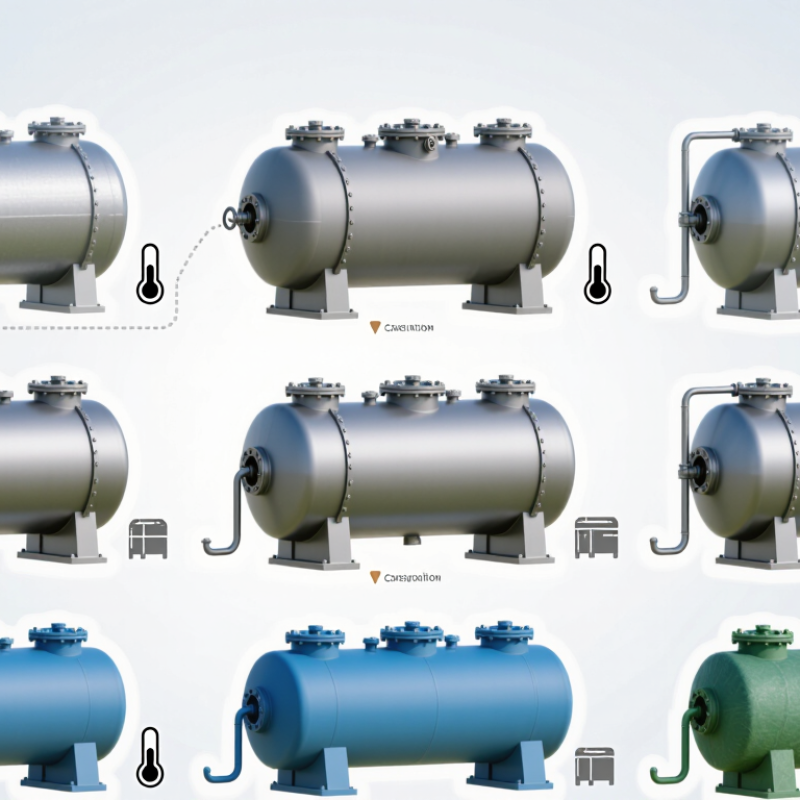
Overview of Sewage Water Tanks and Their Role in Wastewater Management
Sewage water tanks support wastewater management by controlling where wastewater goes and how quickly it moves. A tank may balance sudden flow changes, hold wastewater before treatment, or provide space for solids to settle. It is not a complete treatment system by itself. Its role depends on the treatment process, incoming flow, and site conditions. A poorly sized tank can cause backups or reduce process stability. Small details matter.
Tips: Check access covers, vents, inlets, and outlets during routine inspections. Look for unusual odors, visible cracks, corrosion, or water levels that change unexpectedly. Keep a simple record of inspection dates and observed changes.
Choosing and operating a tank requires attention to capacity, wastewater characteristics, installation conditions, and maintenance access. For example, a site with uneven daily flows may need different storage capacity from one with steady inflow. Operators should also consider safe access for cleaning and inspection. In practice, sizing is not always neat: flow estimates can change as a facility grows. Review assumptions periodically, and consult qualified wastewater professionals when operating conditions or treatment needs change.
Key Criteria for Evaluating Chinese Sewage Water Tank Manufacturers
A buyer should look beyond quoted tank volume and price. Ask how the tank handles the actual wastewater: temperature, solids, cleaning chemicals, and expected burial or wind loads. Request drawings that show wall thickness, reinforcement, access openings, inlet levels, and lifting points. For steel or composite tanks, check material certificates and coating or resin specifications. Small details matter. A vague answer about “standard materials” is not enough.
Check how production quality is verified, not just promised. Ask for weld inspection records, dimensional checks, leak-test methods, and batch traceability. If possible, review dated inspection photos or arrange a factory audit. Look for clean seams, consistent curing or coating, and protected fittings. Confirm that the supplier provides installation guidance and clear maintenance intervals. References are useful, but compare projects with similar wastewater and climate conditions. A tank that works well inland may behave differently near the coast.
Evaluate response quality too. Do technical staff answer questions with calculations and revisions, or only sales language? Clarify delivery scope, spare parts, warranty exclusions, and commissioning responsibilities before signing. Keep agreed specifications in controlled drawings and purchase documents. No checklist is perfect. Buyers may overvalue polished brochures and under-check whether workers can reach the tank’s interior for future cleaning. Leave room for a second review.
Profiles of China’s Top 10 Sewage Water Tank Manufacturers
Profiles of China’s ten leading sewage water tank manufacturers are most useful when they compare engineering choices, not just factory size. Their product ranges may include buried concrete tanks, bolted steel units, and modular tanks made for smaller sites. Buyers should check storage capacity, coating systems, access openings, and compatibility with pumps and treatment equipment. These details affect installation and routine cleaning.
The UNESCO World Water Development Report 2017 estimated that over 80% of global wastewater enters the environment without adequate treatment.
The World Bank’s 2019 report, Wastewater: From Waste to Resource, also describes wastewater as a potential source of water, energy, and nutrients. Together, these reports show why tank design matters: reliable containment supports treatment, but cannot replace it. That distinction is easy to overlook.
A careful manufacturer profile should state material grades, design standards, testing procedures, and maintenance needs. Ask how the tank handles corrosive wastewater, changing groundwater levels, and heavy vehicle loads above buried units. Look for clear drawings and documented inspection steps. Yet no tank is maintenance-free. Some catalogues also leave site-specific limits vague, so buyers should request written project assumptions before comparing prices.
Product Types, Materials, and Technologies Offered by Leading Manufacturers
Leading sewage water tank manufacturers offer more than one standard vessel. Their ranges commonly include underground collection tanks, above-ground storage tanks, septic units, and modular treatment tanks. Capacity, access openings, and internal partitions are adjusted to match flow rates and site conditions. Fit matters.
Material choices shape service life and installation demands. Reinforced concrete handles buried loads and can suit large installations, but transport and placement require planning. Fiberglass-reinforced plastic is lighter and resists corrosion, while polyethylene tanks are often used for smaller systems. Steel tanks may use protective coatings or liners; scratches and coating damage deserve close inspection.
Manufacturers also differ in the technologies built around their tanks. Options can include screens, settling chambers, aeration equipment, bio-media, pumps, level sensors, and remote monitoring. These features support different treatment stages, but a tank alone does not guarantee treatment performance. Design should reflect wastewater characteristics, expected peak flow, groundwater conditions, and maintenance access. Ask for material specifications, structural calculations, and operating guidance, not just a capacity figure. Specifications on paper can still disappoint if the inlet is poorly positioned or routine cleaning is awkward. One detail is easy to miss: lids and fittings must remain reachable after landscaping.
China Top 10 Sewage Water Tank Manufacturers: Materials at a Glance
Typical material density in g/cm³ for common sewage tank construction materials. Values are approximate reference figures: actual density varies by grade, formulation, reinforcement, and product design. Density alone does not indicate a tank’s suitability or performance.
How to Compare Manufacturers for Different Project Requirements
China Top 10 Sewage Water Tank Manufacturers
How to Compare Manufacturers for Different Project Requirements
A sewage tank that works well for one site may be unsuitable for another. Compare manufacturers against the actual project, not just the listed tank capacity. Start with daily flow, peak inflow, wastewater characteristics, and available installation space. A small treatment plant near a high water table may need different structural provisions from a remote facility with stable ground.
Check the proposed material, wall design, access openings, ventilation, and maintenance needs. Ask for drawings showing inlet and outlet positions, connection details, and the foundation requirements. These details matter when a tank must fit beside existing pipes or beneath a narrow service road. Request project references with similar soil and operating conditions, plus clear documentation for inspection and upkeep. Look beyond the headline price. Delivery, lifting equipment, site preparation, and replacement parts can change the real cost.
Compare quotations using the same flow assumptions and scope of supply. Otherwise, a cheaper offer may simply exclude important work. Ask how the manufacturer handles design changes, installation questions, and after-sales support. Listen for specific answers, not broad promises. A neat spreadsheet can still hide a poor fit. Even experienced buyers may miss a detail when site information is incomplete, so verify measurements and operating data before approving a design.