Top 10 CNC Equipment That Every Manufacturer Needs?
In the fast-paced world of manufacturing, having the right tools is essential. CNC equipment plays a critical role in modern production processes. These machines enhance precision and efficiency, driving growth and innovation in various industries.
Every manufacturer must consider essential CNC equipment for their operations. This ensures high-quality results and competitive advantages. Yet, many overlook the importance of regularly updating their technology. Outdated CNC machines can lead to inefficiency and increased errors. It’s crucial to reflect on which equipment is truly vital.
This article explores the top 10 CNC equipment every manufacturer needs. Each piece has unique benefits that can transform your production line. However, selecting the right equipment requires careful thought. Not every machine may suit your specific needs. Understanding the pros and cons can lead to better decisions.
Types of CNC Equipment Essential for Every Manufacturing Facility
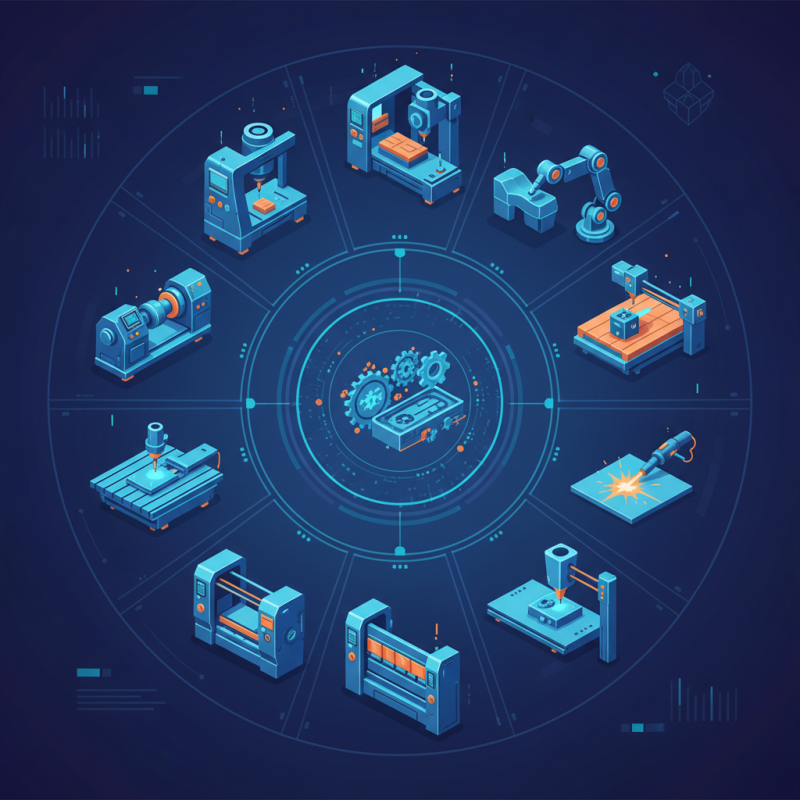
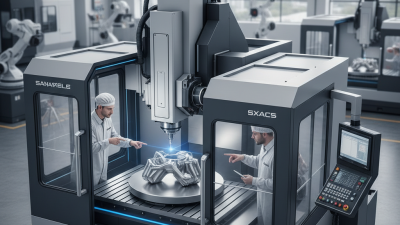
In modern manufacturing, CNC equipment is vital. Every shop needs essential tools for efficiency and precision. One often-overlooked piece of machinery is the CNC milling machine. It shapes materials with incredible accuracy. This machine can handle a variety of materials, from metals to plastics. However, some operators find it challenging to program effectively. Proper training is necessary.
Another critical piece is the CNC lathe. This tool is used for creating cylindrical parts. It offers a great balance between speed and detail, but not all facilities have the space for large machines. There are smaller, more compact lathes available. Yet, they may not handle larger projects as efficiently. Manufacturers must consider their project needs carefully.
CNC routers are also crucial for cutting intricate designs into wood and composites. They can produce stunning results, but they often require calibration for precise cuts. Misalignment can lead to wasted materials and time. Investing in a reliable CNC plasma cutter can benefit those working with metals, too. The versatility of CNC equipment can be a game-changer, yet manufacturers must continuously assess their capabilities to avoid gaps in production efficiency.
Key Features to Consider When Selecting CNC Machines
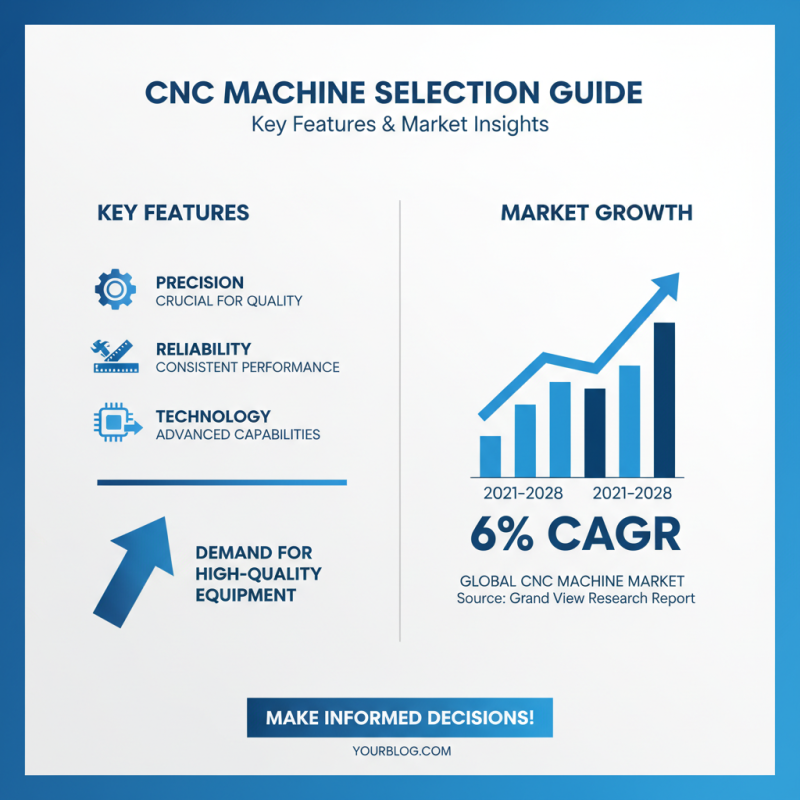
When choosing CNC machines, understanding key features is vital. Precision matters significantly in manufacturing. According to a report by Grand View Research, the global CNC machine market is expected to grow by 6% annually from 2021 to 2028. This highlights demand for high-quality equipment.
One crucial feature is spindle speed. Higher speeds can enhance productivity but may lead to overheating. It's essential to find a balance that suits your materials. Another factor is the number of axes. Machines with more axes offer greater flexibility and accuracy. However, complexity can increase setup time and learning curves.
Tips: Always consider long-term maintenance costs. It's easy to overlook this, but it can impact your budget later. Additionally, user-friendly interfaces can enhance operator efficiency. Training can be a burden if machines are overly complicated. Remember, the best choice aligns with your specific production needs, not just the latest technology.
Top 10 CNC Machines: Performance and Reliability Criteria
In the world of manufacturing, choosing CNC machines hinges on performance and reliability. Reports indicate that 60% of manufacturers prioritize efficiency over other factors. This often means selecting machines that can handle demanding tasks without compromising on quality.
Key performance metrics include operational speed, precision, and durability. For example, studies show that CNC machines with higher RPM ratings produce parts quicker. Yet, maintaining that speed without sacrificing accuracy can be challenging. Manufacturers often face wear and tear issues that can affect output quality. Regular maintenance is crucial, yet it is frequently overlooked in busy production environments.
Reliability is another critical criterion. Machines that frequently break down can halt production, leading to significant losses. According to industry data, a single hour of downtime could cost a manufacturer up to thousands in lost output. Many firms are now investing in predictive maintenance technologies to address these concerns. Ultimately, while technology advances, the balance between performance and reliability remains a complex challenge for many manufacturers.
Top 10 CNC Equipment That Every Manufacturer Needs
| Machine Type |
Max Travel (X, Y, Z in mm) |
Spindle Power (kW) |
Accuracy (mm) |
RPM Range |
| CNC Milling Machine |
800 x 500 x 500 |
7.5 |
0.01 |
0 - 10000 |
| CNC Lathe |
500 x 300 |
5.5 |
0.02 |
0 - 6000 |
| CNC Plasma Cutter |
1200 x 3000 |
8.0 |
0.5 |
0 - 5000 |
| CNC Router |
1300 x 2500 |
3.0 |
0.02 |
0 - 24000 |
| CNC Waterjet Cutter |
1500 x 3000 |
7.5 |
0.3 |
0 - 6000 |
| CNC Laser Cutter |
2000 x 3000 |
10.0 |
0.1 |
0 - 20000 |
| CNC EDM Machine |
600 x 400 x 300 |
20.0 |
0.005 |
0 - 5000 |
| CNC Milling Turn Center |
700 x 350 x 400 |
15.0 |
0.01 |
0 - 5000 |
| CNC Punching Machine |
1500 x 1500 |
4.0 |
0.02 |
0 - 3000 |
| CNC Bending Machine |
2500 x 1000 |
20.0 |
0.1 |
N/A |
Cost-Effectiveness and ROI of Investing in CNC Equipment
Investing in CNC equipment can significantly enhance a manufacturer's productivity. According to a recent industry report, companies that implement CNC technology can increase production efficiency by up to 30%. This increase arises from reduced manual labor and improved precision in manufacturing processes. Automated systems streamline operations, leading to shorter lead times.
Cost-effectiveness is a critical factor for manufacturers. A study revealed that the return on investment (ROI) for CNC machines can hit 200% within the first three years. Initial costs might deter some, but the long-term savings are compelling. Reduced waste and decreased material costs contribute to this attractive ROI. Yet, manufacturers must consider scalability. Not all CNC solutions fit every need, and choosing the wrong machine can lead to underutilization.
CNC technology is not without challenges. Training staff can be time-consuming. Misalignment between equipment capabilities and operational goals may lead to frustration. Scheduled maintenance adds ongoing costs, which some companies overlook. Evaluating these aspects is essential for making informed decisions. Balancing potential expenses with the benefits of enhanced manufacturing efficiency requires careful consideration.
Future Trends in CNC Technology for Modern Manufacturers
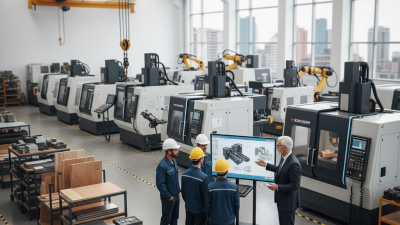
CNC technology is rapidly advancing. Modern manufacturers must stay updated on emerging trends. Automation is one key trend reshaping the industry. Robots are increasingly integrated with CNC machines. This boosts efficiency and reduces manual errors. Many manufacturers find the balance between automation and human oversight challenging.
Another significant trend is the rise of smart CNC equipment. Machines equipped with sensors can collect real-time data. This helps manufacturers monitor performance and predict maintenance needs. The challenge lies in analyzing the data effectively. Without proper insights, valuable data becomes useless.
**Tips:** Regularly train staff on new technologies. This ensures a smoother transition when new equipment arrives. Also, consider investing in software solutions that enhance CNC capabilities.
Lastly, sustainability is gaining importance. Manufacturers are seeking eco-friendly materials and energy-efficient machines. Yet, implementing sustainable practices can be complex. It's not just about purchasing new equipment. It involves reassessing entire production processes to minimize waste.