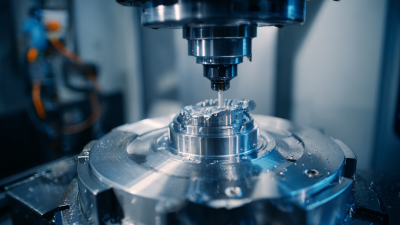
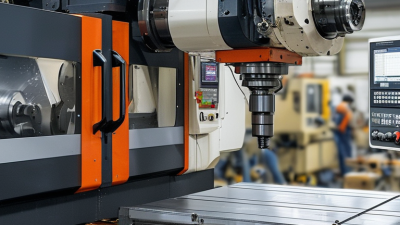
Learn more about how Trevisan’s Horizontal Machining Centers can help you minimize set up time and labor costs.

What Are the Top CNC Machines for 2026?

Choosing the top CNC machine for 2026 is not about buying the most expensive equipment. It is about matching capability with daily production needs. A compact three-axis model may outperform a larger system when floor space, training time, and maintenance budgets are limited. Meanwhile, five-axis machining, mill-turn centers, automatic tool changers, and robotic loading are becoming more practical for demanding workshops. The right decision begins with material, tolerance, part size, batch volume, and operator experience.

Gene Haas, founder of Haas Automation, is widely associated with the practical principle, “The best machine is the one that makes you money.” That idea remains relevant. A fast spindle means little if setup changes consume the afternoon. A sophisticated control is not automatically better if operators struggle to use it. Buyers should inspect chip evacuation, thermal stability, service response, software compatibility, and real customer results. Ask for a cutting demonstration. Measure the surface finish. Check cycle time.

Small details matter.

This guide compares leading CNC machine options expected to shape 2026, including production mills, turning centers, hybrid systems, and automation-ready platforms. It considers accuracy, productivity, safety, energy use, and long-term operating cost. Some rankings may feel debatable, because no single machine fits every workshop. That is the honest limitation. A machine that excels in aerospace work may be inefficient for short-run custom parts. Likewise, a low purchase price can hide expensive tooling, training, or downtime. The strongest choice is rarely the flashiest one; it is the system that performs reliably beside a real operator, on a real shop floor, every working day.

What Are the Top CNC Machines for 2026?

CNC Machine Basics and Key Selection Criteria for 2026

What Are the Top CNC Machines for 2026?

CNC machines convert digital toolpaths into controlled cutting movements. A controller directs the spindle, axes, coolant, and tool changes. The main categories include three-axis mills, five-axis machining centers, CNC lathes, routers, and mill-turn systems. Each machine suits different materials, shapes, and production volumes.

A three-axis mill remains practical for plates, brackets, and repair work. A five-axis machine reduces repositioning during complex aerospace or medical parts. Lathes handle cylindrical components, while routers suit wood, plastics, and sheet materials.

I have found that machine capability matters less than correct workholding. A powerful spindle cannot fix a poorly supported part.

Selection for 2026 should begin with material, part size, tolerance, and monthly workload. Check spindle speed, torque, axis travel, repeatability, and automatic tool capacity. Also inspect chip evacuation and coolant access. Small details matter. Energy use, operator training, software compatibility, maintenance access, and local technical support affect long-term reliability. New monitoring tools can detect vibration, tool wear, and temperature changes, but they still need skilled review. Automation sounds attractive, yet it may add complexity before production is stable. I would request test cuts using the actual material and tooling. Then compare surface finish, cycle time, scrap risk, and measured accuracy. My own first estimates are often too optimistic. That is useful feedback.

Leading CNC Milling Machines for Precision Manufacturing

Leading CNC milling machines for precision manufacturing in 2026 combine rigid structures, responsive controls, and dependable thermal management. A stable machine frame reduces vibration when cutting steel, titanium, and hardened alloys. That matters.

The strongest choices often include three-, four-, or five-axis configurations. Five-axis milling can reach angled surfaces without repeated fixture changes. This reduces setup errors and protects delicate reference points. High-resolution linear scales support consistent positioning, while automatic tool measurement detects worn or incorrectly loaded cutters. Through-spindle coolant also helps clear chips from deep pockets and keeps cutting temperatures more stable.

In practical workshops, I look beyond advertised accuracy. I inspect spindle runout, axis backlash, probing repeatability, and service access. A machine may claim impressive tolerances, yet poor workholding can ruin the result. Small details matter. A well-designed pallet system speeds production, but it can add maintenance demands. Integrated monitoring helps record spindle load, tool life, and temperature changes during long cycles. These records support traceability and reveal problems before rejected parts accumulate.

The best CNC milling machine depends on the material, part geometry, batch size, and operator skill. A compact three-axis model may outperform a larger system on simple aluminum components. Complex aerospace-style parts need stronger five-axis capability and careful simulation. I have seen promising projects lose time through rushed calibration. Machine selection should include test cuts, measured samples, and realistic cycle-time reviews, not only brochure specifications.

Top CNC Lathes for Efficient Turning Operations

What Are the Top CNC Machines for 2026?

For efficient turning operations, the strongest CNC lathes combine rigidity, accurate control, and fast chip removal. A reliable two-axis lathe suits shafts, bushings, and repeat production. Look for a spindle speed range matched to the material, not the biggest number on the brochure. A 20–32 mm bar capacity often covers general workshop work. Larger parts may need a 50–80 mm capacity and a stronger chuck.

A Y-axis turning center adds milling, drilling, and off-center operations in one setup. This reduces handling time and improves feature alignment. For small precision components, a Swiss-type lathe can guide material close to the cutting tool. It performs well with long, narrow parts. Heavy-duty CNC lathes remain valuable for steel flanges, large threads, and interrupted cuts. Their rigid beds and high torque matter more than flashy automation.

Chip control matters every day. So does thermal stability. Features such as tool probing, automatic compensation, and bar feeding can protect consistency across long runs. In real production, cycle time is only one measure. Setup time, tool life, maintenance access, and operator training also affect cost. No machine wins every job. I would test representative material before choosing.

A practical evaluation should include surface finish, dimensional drift, vibration, and energy use. Record results over several hours. Small errors become expensive quickly. Even experienced teams sometimes overvalue spindle power and undervalue chip evacuation. That choice deserves another look.

Advanced CNC Routers, Plasma Cutters, and Hybrid Systems

In 2026, advanced CNC routers are becoming more precise, connected, and adaptable. They handle wood, plastics, composites, and some nonferrous metals with suitable tooling. In a working shop, rigidity matters more than impressive software screens. A heavy frame reduces vibration around tight corners. Automatic tool measurement also protects consistency during long production runs. Small details matter.

Plasma cutters remain practical for fast steel fabrication. Modern systems can pierce sheet metal cleanly and follow detailed digital paths. Operators should check air quality, torch height, grounding, and material thickness before cutting. A neglected consumable can create a rough edge within minutes. I have seen accurate files produce poor parts because the table was not level. That assumption is not always right.

Hybrid CNC systems combine routing and plasma functions in one workspace. They can save floor space and support mixed projects, from cabinet panels to metal brackets. However, shared machines require careful dust control, torch shielding, and workflow separation. Software must manage different feeds, speeds, and tool offsets without confusion. Reliable results still depend on calibration records and trained operators. Hybrid designs sound effortless. They are not. Buyers should compare usable work area, service access, extraction capacity, and safety compliance before choosing a system. A test cut on the intended material reveals more than a polished specification sheet.

Comparing Automation, Software, Cost, and Long-Term Value

Choosing a CNC machine for 2026 requires more than comparing spindle speed or table size. Automation should match your daily workload, not impress visitors. A machine with automatic tool changing, probing, and reliable material handling can reduce setup time. However, complex automation may increase maintenance demands. In a small shop, a simpler system might produce better results.

Software deserves equal attention. Check whether the control system supports modern toolpath strategies, simulation, remote monitoring, and clear error reporting. Operators should move from design files to finished parts without repeated data conversion. Test the interface with a real component, including holes, pockets, and tight tolerances. A polished demonstration can hide frustrating workflow gaps.

Cost includes more than the purchase price. Measure installation, training, tooling, electricity, software subscriptions, and service response times. Ask how calibration is verified after heavy use. Long-term value often depends on uptime, spare-part availability, and operator learning curves. A cheaper machine can become expensive when one failed sensor stops production for three days. That happened in a supplier assessment I reviewed, although the original budget looked attractive. I would also challenge optimistic payback estimates. They often assume full utilization, perfect material supply, and no rework. Real production is less tidy. Compare documented cycle times, warranty terms, and five-year maintenance records before choosing.

What Are the Top CNC Machines for 2026? - Comparing Automation, Software, Cost, and Long-Term Value

CNC Machine Type Typical 2026 Purchase Cost
(USD)
Automation Potential Software and Control Requirements Typical Accuracy Best Production Volume Estimated Useful Life Long-Term Value Best Use Case
3-Axis Vertical Machining Center $60,000–$180,000 Medium; pallet changers, bar-code setup, probing, and robotic loading can be added. CAD/CAM software, standard G-code support, tool libraries, probing cycles, and production monitoring. Approximately ±0.005–0.02 mm under suitable conditions. Low to medium; suitable for prototypes and general batch work. 15–25 years with scheduled maintenance and replacement of wear components. High Prismatic parts, fixtures, repair work, education, and general job-shop manufacturing.
5-Axis Machining Center $180,000–$600,000+ High; supports pallet pools, automated tool management, probing, and unattended machining. Advanced simultaneous 5-axis CAM, collision avoidance, post-processors, tool simulation, and digital work instructions. Approximately ±0.005–0.015 mm, depending on machine size, calibration, and thermal control. Medium to high; especially effective for complex parts and reduced setups. 15–25 years when rotary axes, spindle systems, and geometry are properly maintained. Very High Aerospace components, medical parts, impellers, molds, and geometrically complex workpieces.
CNC Turning Center $70,000–$250,000 High for repetitive cylindrical work; bar feeders, parts catchers, and robotic unloaders are common. Turning CAM, tool-life monitoring, automatic tool offsets, spindle-load monitoring, and production scheduling. Approximately ±0.005–0.02 mm for many production applications. Medium to high; particularly efficient for repeat batches. 15–25 years with regular lubrication, alignment checks, and spindle maintenance. Very High Shafts, bushings, threaded components, fittings, hydraulic parts, and turned production work.
Mill-Turn Machining Center $250,000–$750,000+ Very high; one-machine processing, bar feeding, probing, robotic handling, and automated part transfer are available. Integrated mill-turn CAM, synchronized spindle control, advanced simulation, tool management, and post-processor validation. Approximately ±0.005–0.015 mm, subject to thermal and process conditions. High; best when multiple operations can be completed without transferring the part. 15–25 years, although multi-axis components can increase service complexity. High Complex rotational parts, energy components, high-value parts, and low-setup production.
CNC Router $15,000–$100,000 Medium to high; vacuum tables, automatic tool changers, nesting software, and unload systems are widely used. 2D/3D CAM, nesting optimization, material libraries, vacuum-zone control, and basic machine monitoring. Approximately ±0.05–0.20 mm, depending on frame rigidity, material, and cutting conditions. Medium to high for sheet, panel, wood, plastic, foam, and non-ferrous materials. 10–20 years, depending on duty cycle, dust control, spindle use, and mechanical maintenance. Medium to High Cabinetry, signage, composites, plastics, woodworking, nesting, and large-format cutting.
CNC Swiss-Type Lathe $180,000–$500,000+ Very high; bar feeding, automatic tool monitoring, parts handling, and unattended production are standard options. Specialized mill-turn CAM, synchronized tooling, guide-bushing setup, tool-life management, and process monitoring. Approximately ±0.002–0.01 mm for suitable small-diameter components. High to very high; designed for repeat precision production. 15–25 years with disciplined maintenance and qualified process support. Very High Small medical, electronic, automotive, and precision mechanical components.
Cost and performance note: The purchase-cost ranges are indicative new-equipment ranges for 2026 in the United States and generally exclude shipping, installation, tooling, workholding, software subscriptions, taxes, and facility upgrades. Accuracy values are typical application ranges rather than guaranteed specifications; actual results depend on machine construction, material, tooling, temperature, programming, calibration, and operator practice.
Scroll to Top
Scroll to Top