Top Chicken Layer Cage Suppliers for Global Buyers
Global egg production depends on equipment that performs reliably through daily feeding, collection, and cleaning. FAO’s FAOSTAT production data records roughly 93 million tonnes of hen eggs in shell worldwide in 2022. That scale makes housing decisions commercially significant. It also makes supplier claims worth checking.
This guide examines Chicken Layer Cage suppliers for global buyers through practical criteria, not promotional language. Buyers can compare cage dimensions, wire thickness, corrosion protection, manure-belt design, and access to replacement parts. Ask for drawings, material specifications, installation references, and clear warranty terms. A polished catalog is not proof. Small details matter: a poorly aligned belt or rough wire can create ongoing maintenance headaches.
Industry context matters, too. The International Egg Commission’s sector publications track changing production and market conditions, while FAO data helps buyers understand the scale of global output. Neither source can certify a particular supplier. That work requires direct checks, such as confirming factory capacity and reviewing sample documentation. Requirements for poultry housing also differ by destination, so buyers should verify applicable local standards before ordering. A low quoted price may exclude freight, installation, or essential spares. Compare the full operating picture. And leave room for doubt: supplier references can be selective, and product performance depends on management, maintenance, and site conditions. This overview offers a grounded starting point for evaluating manufacturers, asking sharper questions, and choosing equipment suited to the farm’s actual needs.
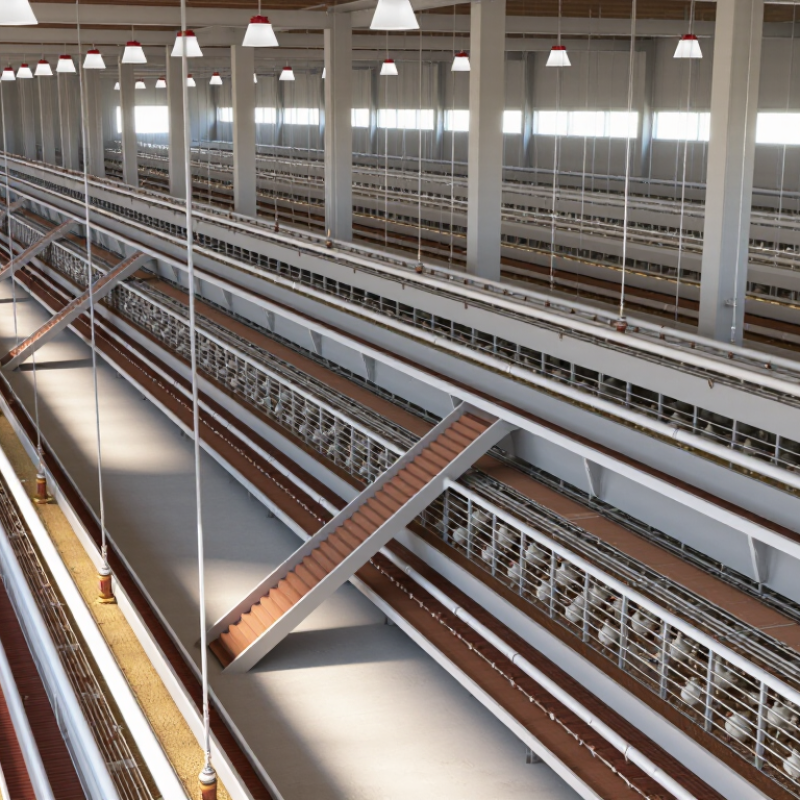
Understanding Layer Cage Systems and Their Role in Egg Production
Layer cage systems organize hens, feed, water, and egg collection within a managed housing layout. Their design affects how easily workers can inspect birds and maintain equipment. Feed troughs should allow steady access, while nipple drinkers need regular checks for leaks or blockages. Small details matter. A poorly adjusted drinker can leave wet litter beneath the line, even when the rest of the system appears clean.
In daily production, egg belts move eggs from the housing area toward collection points, reducing repeated handling. Manure belts can help remove waste on a schedule, but they need consistent operation and maintenance. Ventilation also plays a central role: air movement helps control heat, moisture, and odors inside the building. Timing matters. Equipment performance depends on routine checks, not just the specifications listed by a supplier.
A well-planned system can support consistent egg collection, but it cannot replace attentive flock management. Stocking density, bird behavior, house climate, and worker routines all shape results. Buyers should compare access for inspection, cleaning, and repairs before choosing a layout. Records of water use, egg damage, and equipment downtime can reveal problems early. There is no perfect setup. A belt that runs smoothly during an empty-house test may behave differently once dust, feathers, and a full flock are present.
Top Chicken Layer Cage Suppliers for Global Buyers - Understanding Layer Cage Systems and Their Role in Egg Production
Compare system types and supplier capabilities using verifiable design criteria. The EU figures below are regulatory benchmarks, not universal requirements; local rules and buyer specifications may differ.
| System or evaluation area | Verified benchmark or defining feature | What global buyers should check with suppliers |
| Conventional (unenriched) cages | Under the EU’s former conventional-cage rules, each hen required at least 550 cm² of cage area. Keeping hens in unenriched cages has been prohibited in the EU since 1 January 2012. | Confirm whether this system is lawful in the destination market. Check applicable local space, welfare, and transition requirements before considering a quotation. |
| Enriched cages | EU requirements specify at least 750 cm² of cage area per hen, including at least 600 cm² of usable area. Each cage must also provide a nest, litter for pecking and scratching, at least 15 cm of perch space per hen, and at least 12 cm of feeder space per hen. | Request drawings that show usable area, nest and perch layout, feeder measurement, drinker access, and the number of hens per cage. Verify that the design meets the destination’s rules. |
| Cage-free aviary systems | Hens are not confined to cages; systems commonly use multiple levels and provide access to nests, perches, and litter areas. Applicable stocking and equipment requirements vary by jurisdiction. | Assess usable floor area, tier access, nest capacity, manure handling, ventilation, egg belts, and inspection access. Ask for the relevant local compliance documentation. |
| Feeding and drinking equipment | For EU enriched cages, the rule specifies at least two nipple drinkers or two cups accessible to each cage, with additional feeder-space provisions for continuous feeders. | Check line capacity, water-pressure compatibility, flushing and cleaning arrangements, feeder adjustment, and the supplier’s recommended inspection and maintenance schedule. |
| Manure and egg handling | Belt-based manure removal and automated egg collection are common equipment options; configuration and performance depend on the housing layout and operating conditions. | Request a process layout showing belt routes, transfer points, service access, and interfaces with the packing facility. Ask how the design handles downtime and routine cleaning. |
| Supplier documentation and support | Equipment specifications should be assessed against the applicable laws, farm design, flock size, and operating plan; no single system specification is suitable for every market. | Compare technical drawings, material specifications, installation scope, spare-parts availability, warranty terms, commissioning, training, and after-sales support. |
Regulatory reference: Council Directive 1999/74/EC. Always confirm current requirements with the competent authority in the destination market.
Types of Chicken Layer Cages Available to Global Buyers
Layer cage systems differ in both bird amenities and house layout. Conventional cages group several hens in compact wire units, with feed troughs and nipple drinkers along each row. They use floor space efficiently, but offer limited room for nesting and movement. Enriched colony cages add features such as perches, nest areas, and scratch pads. Their larger compartments need careful planning for access and cleaning.
A-frame and H-frame describe common equipment arrangements, not necessarily different welfare levels. A-frame rows are often easier to inspect from the aisle. H-frame systems can support more tiers, so building height, manure removal, and maintenance access matter. Buyers should compare usable floor area per bird, wire finish, drinker placement, ventilation needs, and spare-part availability. A low purchase price may hide costly installation details.
Tips: Request a layout drawing and a sample equipment list before ordering. Check that workers can reach drinkers and inspect each tier safely. Ask how the system handles manure and feed distribution. Small details matter. A supplier’s capacity estimate may not match your building, and that is worth questioning.
How to Evaluate Layer Cage Suppliers and Manufacturing Standards
Choosing a layer cage supplier requires more than comparing quotations. Ask how the manufacturer controls wire diameter, mesh spacing, frame dimensions, and finish consistency. Request current drawings and material specifications, then compare them with a physical sample. Small differences matter: uneven welds can create sharp edges, while inconsistent spacing may complicate installation.
Inspect production evidence. A reliable supplier should explain how cages are formed, welded, treated against corrosion, and checked before packing. Ask for inspection records, measurement tolerances, and results from load or stability tests where applicable. Look closely at weld points and coating coverage, especially around joints and cut edges. Smooth surfaces help reduce injury risks and make routine cleaning easier. Not every factory documents these checks equally well.
Visit the production site when practical, or request a live video inspection of the line and finished goods. Check whether workers use gauges and written inspection steps, rather than relying only on visual judgment. Ask for references from farms with similar climate, flock size, and housing layout. Packaging deserves attention too; bent panels can arrive even after careful manufacturing. I would also clarify spare-part availability and response times in writing. A polished brochure is useful, but it cannot replace sample measurements. One overlooked detail can become an expensive installation problem.
Layer Cage Supplier Evaluation: EU Space Benchmarks
Use these EU enriched-cage requirements as reference points when reviewing a supplier’s design documents: at least 750 cm² of usable area per hen, including at least 600 cm² of cage area, and at least 250 cm² of litter area per hen. Check the applicable regulations in the destination market and confirm how the supplier demonstrates compliance.
Key Factors in Comparing Supplier Products, Pricing, and Support
Comparing layer cage suppliers starts with the flock, not the brochure. Check cage dimensions, wire thickness, weld consistency, and access to feeders and drinkers. Ask how the system fits your planned house layout and bird numbers. Details matter. A clear drawing can reveal awkward service gaps before equipment arrives.
Price comparisons should include more than the quoted cage cost. Request a written breakdown for transport, installation, spare parts, and training. Then compare expected maintenance needs, such as replacement drinker lines or worn fittings. A low initial price may not mean a lower operating cost. Ask for sample specifications and references from farms using similar house designs. Verify what is included, rather than relying on a verbal estimate.
Support matters most when a small fault affects daily work. Ask how quickly the supplier responds, which parts are kept in stock, and whether staff can receive practical setup guidance. If possible, inspect a working installation and watch how workers collect eggs and clean around the equipment. Not always easy. A visit can still miss problems that appear after months of use. That is why written warranties, clear service terms, and follow-up contacts deserve careful comparison. One weak point in this process is assuming every supplier measures performance in the same way; ask for definitions before comparing figures.
Global Sourcing, Shipping, and Installation Considerations
Global buyers should compare more than cage prices when evaluating suppliers. Request a complete bill of materials, dimensional drawings, steel specifications, and packing measurements. Ask whether drinker lines, feeders, egg belts, and manure systems are included or quoted separately. Delays happen. Confirm production lead times, inspection steps, and documents needed for customs clearance. Freight costs depend on crate volume, container loading, destination handling, and inland transport. Wooden packaging may require treatment records, so check destination requirements with a broker before dispatch. Keep spare parts and installation tools in clearly labeled, moisture-protected cartons.
Installation planning should begin before equipment leaves the factory. Share building columns, floor levels, door widths, and utility locations with the supplier. Request a layout showing service aisles and access to water and power. On arrival, inspect crates for impact damage and match labels against the packing list. Photograph discrepancies before unpacking. An experienced local crew can reduce rework, but written instructions still matter. Confirm workers understand line alignment, tensioning, and safe lifting procedures. One missed measurement can shift an entire row.
References from farms with similar climates and flock sizes offer useful evidence, not guarantees. Discuss corrosion protection for humid or coastal sites, and ask how replacement parts are supplied. Requirements differ by market; verify equipment suitability against current local rules and farm conditions. Some details will change on site. If available, arrange commissioning support and allow time for adjustments after the first operational checks.