
Learn more about how Trevisan’s Horizontal Machining Centers can help you minimize set up time and labor costs.

Top 10 Types of Industrial Storage Racks for Global Buyers

Choosing the right Industrial Storage Racks can reshape warehouse safety, capacity, and daily productivity. A rack is not merely a steel frame. It determines how forklifts turn, how workers reach cartons, and how quickly inventory moves. Warehouse design researcher John J. Bartholdi III has emphasized this practical principle: “Good storage design makes every movement predictable.” That idea matters when buyers compare systems across different markets.

This guide examines ten widely used rack types, including selective pallet racks, drive-in racks, push-back racks, pallet flow racks, cantilever racks, carton flow racks, mobile racks, mezzanines, double-deep racks, and automated storage systems. Each option serves a different operating pattern. Selective racks offer direct access. Cantilever racks suit long steel profiles, timber, or pipes. Pallet flow systems support first-in, first-out movement. Automated systems can save floor space, but they also require stronger planning and maintenance discipline.

Global buyers should look beyond price. Check load ratings, beam levels, forklift clearance, floor conditions, seismic exposure, fire protection, and local engineering requirements. A drawing may look perfect and still fail during busy shifts. That is an uncomfortable possibility. Rack inspections, visible labels, impact protection, and trained operators remain essential after installation. Standards also differ between countries, so qualified local professionals should verify the final design. The best Industrial Storage Racks solution is rarely the largest system. It is the one that fits actual products, traffic patterns, building limits, and future growth. Mistakes happen. Good planning makes them less expensive.
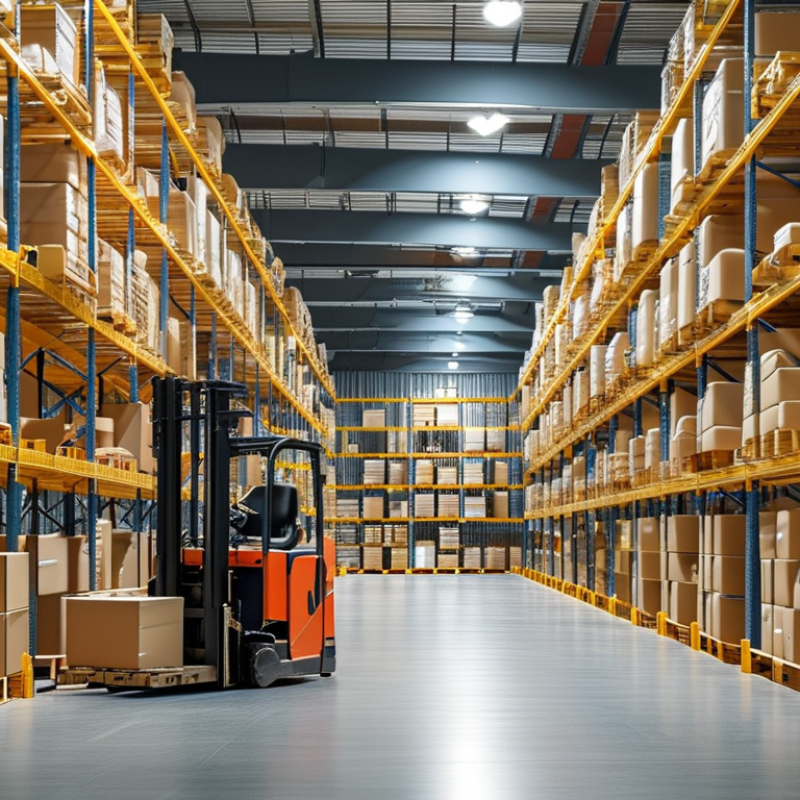
Top 10 Types of Industrial Storage Racks for Global Buyers

What Industrial Storage Racks Are and How They Support Warehouse Operations

Industrial storage racks are engineered steel systems that hold pallets, cartons, bins, or long materials above the warehouse floor. They create vertical capacity, separate inventory, and support safer product movement. The main ten types include selective pallet, drive-in, push-back, pallet-flow, cantilever, carton-flow, mobile, shuttle, mezzanine, and automated storage racks.

Each design supports a different operating need. Selective racks provide direct access to every pallet, while drive-in racks increase density for uniform products. Push-back racks reduce travel time through lane-based storage. Pallet-flow racks use gravity for first-in, first-out movement. Cantilever racks suit pipes and timber. Carton-flow racks help piece picking. Mobile racks save floor space, but they can slow access during peak activity. Mezzanines add working levels. Shuttle and automated systems improve throughput, although they require stronger controls and higher investment.

The MHI 2024 Annual Industry Report found that 83% of supply-chain professionals consider innovation important. Rack planning now needs to support both labor efficiency and future automation.

Tips: Measure pallet dimensions, load weights, aisle widths, and ceiling clearance before selecting equipment. Mark damaged frames immediately. Keep pedestrian paths visible. A dense layout is not always efficient. Poor slotting can create longer travel, even when storage capacity rises. Inspect beams, anchors, and safety locks regularly, following qualified engineering guidance and local workplace requirements.

How to Classify the Ten Main Types of Industrial Storage Racks

Industrial storage racks are best classified by load, access method, and stock rotation. Selective pallet racks suit mixed products and frequent forklift access. Drive-in racks increase density but reduce direct access. Push-back racks store several pallets deep, while pallet flow racks support first-in, first-out movement. Cantilever racks handle long materials such as pipes, timber, and metal profiles.

The remaining five types serve different handling conditions. Carton flow racks support manual picking from sloped rollers. Longspan shelving stores medium loads without requiring pallets. Mobile shelving moves along floor rails and saves aisle space. Mezzanine racks create an elevated storage level when building height allows it. Automated storage and retrieval systems combine racks, software, and guided equipment for high-volume operations. They need accurate data.

In practice, classification should begin with the product, not the rack’s appearance. I have seen warehouses choose dense storage, then struggle with slow retrieval. Measure pallet dimensions, load weight, aisle width, ceiling height, and daily movement. Consider dust, temperature, floor strength, and inspection access. A simple spreadsheet helps, but it cannot replace a site survey. Some classifications overlap, and that is where planning becomes imperfect. Safety clearances and load labels must remain visible during daily work.

Pallet Racks for High-Volume and Selective Inventory Storage

Pallet racks remain a practical choice for high-volume warehouses because they combine vertical capacity with direct product access. Selective pallet racking gives operators access to every pallet, reducing unnecessary product movement. It suits mixed-SKU inventories, seasonal goods, and frequent order changes. High-density systems may store more pallets, but they can slow retrieval when every pallet is not immediately reachable.

The 2024 MHI Annual Industry Report shows that 82% of supply-chain professionals expect to adopt inventory and network optimization technologies within five years. That trend makes rack design more data-driven. Buyers should calculate pallet dimensions, load weights, aisle widths, forklift turning paths, and future volume before selecting beam levels. Small errors become expensive.

WERC’s 2024 DC Measures report places median order-picking accuracy at about 99.5%. Selective racks can support that performance when locations are clearly labeled and stock rotation is disciplined. Add row guards, upright protection, load notices, and routine inspections. A neat layout can still fail. Damaged frames, uneven floors, or overloaded beams create hidden risks. Global buyers should request stamped engineering drawings and verify local seismic, fire, and workplace requirements. The cheapest configuration may not be the most reliable one. Testing one rack bay with real pallets is often wiser than trusting a spreadsheet alone.

Specialized Racks for Long, Small, Heavy, and Irregular Loads

Global storage rack selection begins with the load, not the warehouse map. MHI’s 2024 Annual Industry Report gathered responses from more than 1,700 supply-chain professionals. Its findings highlight ongoing pressure to improve capacity, visibility, and operational efficiency. That pressure makes specialized rack design increasingly important.

For long loads, cantilever racks provide open access for steel bars, pipes, timber, and profiles. Small cartons often perform better on carton-flow or longspan shelving, where workers can pick individual items quickly. Heavy pallets require selective, drive-in, or push-back racks with verified beam capacities. Irregular loads may need custom cradles, adjustable arms, or reinforced decking. They do not fit neatly.

Other major rack types include mobile racks, pallet-flow racks, mezzanine systems, automated storage and retrieval systems, and multi-tier shelving. Each option changes aisle width, picking speed, fire protection, and floor loading. The 2024 Global Industrial and Logistics Market report from Cushman & Wakefield also records continued demand for efficient warehouse space, especially in high-cost logistics markets. More storage density sounds attractive, but density without safe access can slow operations.

Real facilities rarely need one rack type. A mixed system usually works better. Yet product dimensions change. That detail is easy to underestimate. Buyers should test actual loads, inspect floor conditions, confirm local engineering requirements, and review inspection procedures before ordering. A perfect layout on paper may fail beside a busy forklift aisle.

How Global Buyers Should Compare Rack Design, Safety, and Cost

Top 10 Types of Industrial Storage Racks for Global Buyers

Global buyers should compare rack design before comparing prices. Selective pallet, drive-in, push-back, carton-flow, cantilever, mobile, mezzanine, shuttle, long-span, and automated racks serve different handling needs. A selective system offers quick access, while drive-in storage increases density but reduces selectivity. Measure pallet dimensions, load weights, forklift turning space, and ceiling height before requesting quotations.

Safety must be checked as carefully as capacity. Uprights, beams, anchors, guards, and wire decking should match the stated loads. Ask for calculation documents, material specifications, inspection guidance, and installation procedures. Local seismic, wind, fire, and building requirements may change the design. A rack that looks strong can still fail when uneven floors or impact damage are ignored. I have seen buyers focus on beam size and overlook floor quality. That mistake is expensive.

Tips: Compare total ownership cost, not only the purchase price. Include freight, duties, installation, maintenance, inspections, repairs, and future expansion. Request a clear load table and warranty terms. Test whether forklifts can work safely in the planned aisles. Also check spare-part availability in the destination market. The cheapest option may not stay cheap. A slightly higher initial cost can reduce damage and downtime, but this should be verified with realistic usage data. Need more reflection here.

Top 10 Types of Industrial Storage Racks for Global Buyers - How Global Buyers Should Compare Rack Design, Safety, and Cost
Rack Type Best-Fit Storage Application Typical Load per Pallet Position Storage Density Pallet Accessibility Stock Rotation Key Design and Safety Considerations Relative Initial Cost Main Buying Advantage
Selective Pallet Rack General warehouses with many product lines, mixed pallet sizes, and frequent picking. Approximately 500–2,500 kg per pallet position, subject to beam size, frame height, and design calculations. Low to medium; typically uses one pallet position per depth. Excellent; every pallet is directly accessible. Suitable for FIFO or LIFO, depending on warehouse procedures. Requires correctly rated frames and beams, pallet overhang control, upright protection, aisle clearance, anchoring, and clearly posted load limits. Low Best flexibility and easiest inventory access.
Double-Deep Pallet Rack Higher-volume storage where the same product is stored in multiple pallets and moderate selectivity is acceptable. Approximately 500–2,500 kg per pallet position. Medium to high; two pallet positions are stored deep. Good for the front pallet; rear pallets require reach equipment. Generally LIFO unless dedicated operating procedures are used. Requires reach-truck compatibility, accurate pallet placement, deeper frame design, rear-pallet visibility, and careful aisle planning. Medium Improves floor utilization without fully enclosed lanes.
Drive-In Pallet Rack Large quantities of similar products with low SKU variety and relatively stable inventory turnover. Approximately 500–1,500 kg per pallet position, depending on rail span and design. High; pallets are stored several positions deep. Limited; forklift enters the storage lane. Primarily LIFO; drive-through versions can support FIFO. Requires guide rails, entry protection, controlled forklift speed, lane alignment, pallet quality checks, and strict prevention of rack impacts. Medium High density with fewer aisles and reduced floor area.
Push-Back Pallet Rack High-density storage of multiple pallets per SKU where fast individual pallet access is not essential. Approximately 500–1,500 kg per pallet position. High; commonly two to six pallets deep. Good from the operating aisle, but not direct access to every pallet. Usually LIFO. Requires compatible pallet dimensions, correctly set carts or rollers, end stops, lane-level load control, and operator training to avoid excessive impact. Medium Combines high density with relatively fast loading and retrieval.
Pallet Flow Rack Perishable goods, batch-controlled inventory, and operations requiring systematic FIFO rotation. Approximately 500–1,500 kg per pallet position. High; deep lanes reduce the number of required aisles. Good; loading and picking sides are separated. Excellent FIFO performance. Requires roller selection matched to pallet type, speed controllers, lane separators, end stops, pallet inspection, and routine cleaning of moving components. High Reliable stock rotation and efficient order-picking flow.
Cantilever Rack Long, bulky, or irregular products such as timber, pipe, metal sections, panels, and furniture components. Approximately 250–1,500 kg per arm, depending on arm length and column design. Medium; storage density depends on product length and arm spacing. Good; products can be loaded from the front without vertical uprights blocking access. FIFO or LIFO, depending on handling practice. Requires balanced loading, arm and column capacity checks, end stops where appropriate, floor anchoring, and protection from forklift collisions. Medium Handles long loads more effectively than conventional pallet rack.
Carton Flow Rack Manual piece-picking, order assembly, small cartons, totes, and fast-moving products. Approximately 50–250 kg per shelf or lane, depending on configuration. Medium to high for small-item storage. Excellent; cartons are replenished from the rear and picked from the front. Excellent FIFO performance. Requires suitable roller pitch, lane dividers, ergonomic working height, replenishment access, shelf load labels, and stable support for totes or cartons. Medium Improves picking speed and order accuracy for small items.
Mobile Pallet Rack Facilities with expensive floor space, moderate access requirements, and a need to reduce fixed aisles. Approximately 500–2,500 kg per pallet position. Very high; rack rows move to create a single operating aisle. Good, but only one or a limited number of aisles may be open at a time. FIFO or LIFO, depending on rack layout and warehouse procedures. Requires floor load verification, rail alignment, anti-crush protection, emergency stops, access controls, seismic review where applicable, and regular maintenance of drive systems. High Maximizes storage capacity where floor area is costly.
Pallet Shuttle Rack High-volume, high-density pallet storage with repeated movements of similar products. Approximately 500–1,500 kg per pallet position. Very high; deep lanes are served by powered shuttle carriers. Good for lane-based storage; direct access varies by lane arrangement. FIFO or LIFO, depending on lane design and shuttle operating mode. Requires compatible pallet dimensions, shuttle charging and retrieval procedures, lane stops, sensors, remote-control safeguards, rack protection, and planned maintenance. High Reduces forklift travel inside deep storage lanes.
Mezzanine-Supported Storage Rack Warehouses needing additional vertical storage, floor-level work areas, or multi-level carton and component storage. Approximately 250–1,000 kg per square metre for many light- to medium-duty systems; engineering verification is required. Very high vertical utilization, subject to building height and fire code. Good for manual storage; access depends on stairs, lifts, conveyors, or gates. FIFO or LIFO, depending on the handling system. Requires structural engineering, building and floor-load checks, guardrails, toe boards, stair design, pallet gates, emergency egress, lighting, and local fire-code compliance. High Adds usable storage or work space without expanding the building footprint.
Important purchasing note: Capacity figures are typical planning ranges, not guaranteed ratings. Final rack selection must be based on verified pallet dimensions and weights, beam spans, frame height, seismic and wind conditions, floor capacity, forklift type, local building codes, fire-protection requirements, and a site-specific structural calculation.
Scroll to Top
Scroll to Top