What Are the 2026 Top Mill Turn Machine Types for Buyers?
Choosing a 2026 mill turn machine is not simply a matter of counting axes. Buyers must connect machine capability with real production demands. A compact shop may value fast changeovers, while an aerospace supplier may need stable five-axis machining and tight thermal control. The right choice depends on materials, part geometry, batch size, operator skill, and future contracts.
Professor Tony Schmitz, a respected machining researcher, states, “Machining is a process of energy conversion.” That principle matters when comparing mill turn machine types. Spindle power becomes cutting performance, surface quality, cycle time, and tool life. Buyers should examine live tooling torque, turning diameter, bar capacity, Y-axis travel, control features, and workholding strength. Small details matter. A weak coolant system can stain stainless steel parts. Poor chip evacuation can interrupt an otherwise efficient cycle.
This guide reviews the leading machine types expected to attract buyers in 2026. It considers multitasking lathes, mill-turn centers, Swiss-style mill turn machines, and advanced five-axis platforms. Each type offers practical advantages, but none fits every factory. A machine that looks impressive at a trade show may struggle beside a noisy shop floor and mixed material inventory. That possibility deserves attention. Energy use, service access, software compatibility, and training requirements also influence ownership costs. No ranking is perfect. Some recommendations remain cautious because supplier specifications do not always reflect daily production realities. Experienced buyers should request sample cuts, inspect finished parts, and speak with current users before signing an order.
What Is a Mill-Turn Machine and How Does It Work?
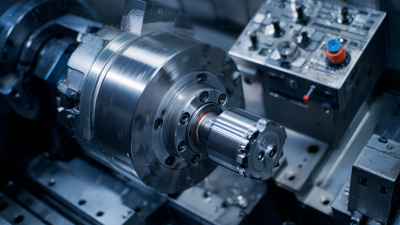
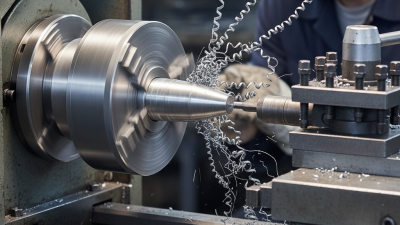
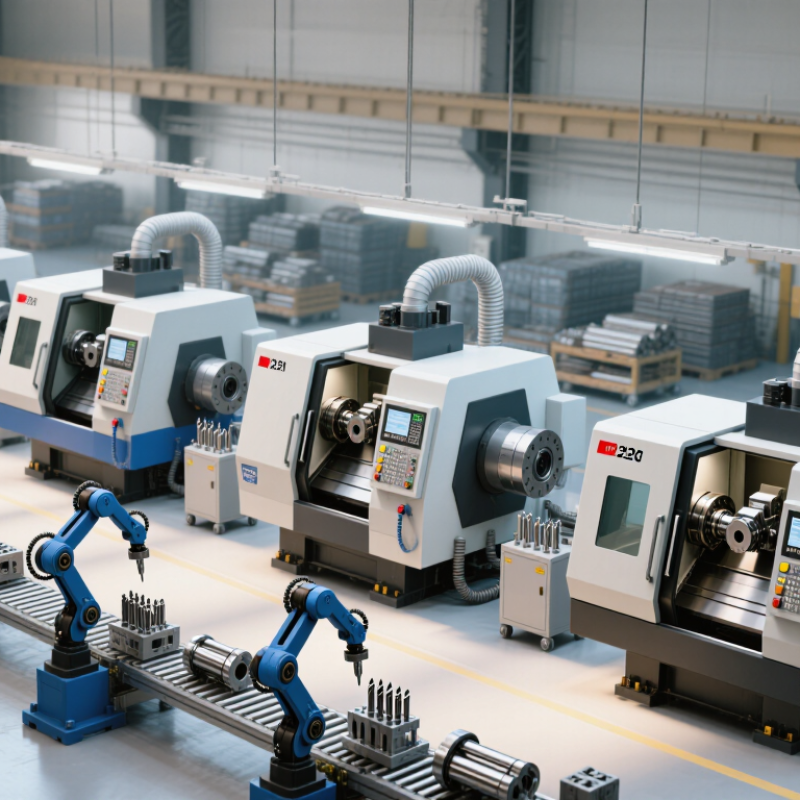
A mill-turn machine combines a lathe’s rotation with a machining center’s cutting movements. The workpiece spins in a chuck or collet. Meanwhile, driven tools can drill, mill, slot, and contour its surface. This arrangement lets one machine complete several operations in one setup. That matters when buyers want fewer alignment errors and shorter handling time.
For 2026 purchasing plans, horizontal mill-turn machines suit shafts, fittings, and long cylindrical parts. Vertical mill-turn machines can provide easier access for heavier or wider components. Swiss-style mill-turn machines are useful for small, slender parts requiring steady support. Multi-axis models add more cutting flexibility, but they also demand stronger programming skills and careful training. More axes are not always better.
The machine’s CNC control coordinates spindle speed, tool movement, coolant, and part transfer. A typical cycle may face the material, turn a diameter, drill a hole, and mill a keyway. All without removing the part. In practical shop use, this can improve repeatability and free floor space. Yet buyers should inspect real cycle times, tooling access, service response, and operator workload. Catalog specifications can look impressive. Production results may differ. A machine that fits the part, process, and team is usually the safer investment. Testing a representative component before purchase remains wise.層
Which Mill-Turn Machine Types Will Lead the 2026 Market?
The 2026 mill-turn market will likely be led by five-axis B-axis machines with integrated turning and milling. Buyers want fewer setups, tighter part location, and shorter production routes. These machines suit aerospace fittings, medical components, and complex energy parts. Their value becomes clear when one chucking operation replaces several manual transfers.
Twin-spindle, twin-turret mill-turn machines should remain strong in high-volume production. They can machine front and back features with less waiting between operations. Proper synchronization matters, though. Poor programming can create idle time instead of improving output. Compact Swiss-style mill-turn machines will also attract buyers producing small, precise components. Bar capacity, guide-bushing stability, and tool-change speed deserve close inspection.
Heavy-duty vertical mill-turn machines may lead demanding sectors with large diameters and difficult materials. Their rigid structures handle deep cuts, but floor space and loading systems can become costly. Buyers should compare spindle torque, thermal control, axis travel, chip evacuation, and local service support. A fast spindle alone proves little. In practical evaluations, I would request sample parts and measured cycle data before accepting a supplier’s claims. No forecast is perfect. Some buyers may overvalue automation while ignoring operator training and maintenance access. That mistake can quietly reduce the expected return.
How to read this chart: The index is a normalized 2026 buyer-demand planning score from 0 to 100, based on commonly cited purchasing priorities such as multi-axis capability, setup reduction, part complexity, automation readiness, and production flexibility. It is an indicative comparison rather than reported market-share data.
How Do Horizontal and Vertical Mill-Turn Centers Differ?
Horizontal and vertical mill-turn centers differ mainly in spindle orientation, workpiece behavior, and production priorities. In a horizontal center, the main spindle faces sideways. Chips fall away more naturally, while bar-fed parts and long shafts remain stable. This layout suits repeated turning, milling, drilling, and threading in one setup. A subspindle can also reduce handling time.
A vertical mill-turn center holds the workpiece on a horizontal table or chuck. Gravity supports heavy, wide components, such as rings, flanges, and energy-sector parts. The operator usually gains easier access to the cutting zone. However, chip control can become less predictable around deep pockets. That detail is easy to underestimate.
Grand View Research valued the global CNC machine market at approximately $83.4 billion in 2023. It also projects about 9.5% annual growth from 2024 through 2030. This growth supports demand for multi-tasking equipment, but market growth does not guarantee a good fit for every factory. Buyers should compare chuck diameter, bar capacity, tool storage, spindle torque, and achievable cycle time.
The International Federation of Robotics reported 541,302 industrial robots installed worldwide in 2023. That figure highlights the importance of automation-ready machine design. Horizontal centers often integrate smoothly with bar feeders and robotic loading. Vertical centers may need customized loading for large or unusually shaped parts. Real production trials matter more than brochures. A vertical machine can outperform a horizontal model when workpiece weight dominates. A horizontal model may win when unattended cycle stability matters most. The distinction is useful, but not absolute.
What Features Should Buyers Compare Before Choosing a Machine?
What Are the 2026 Top Mill Turn Machine Types for Buyers?
Buyers in 2026 can compare horizontal mill-turn centers, vertical mill-turn machines, and Swiss-style mill-turn systems. Each type suits different work. Horizontal machines often handle bar stock and complex rotational parts efficiently. Vertical models can improve access to larger, heavier components. Swiss-style systems suit slender parts requiring steady support and precise turning.
Machine travel is a practical starting point.
Measure the largest part, then allow room for tooling and chip evacuation. Check spindle speed, spindle torque, and live-tool power together. A fast spindle may struggle with tough alloys if torque is limited. That detail is easy to miss. Watch the chips.
Compare the number of controlled axes and the machine’s simultaneous machining ability. More axes can reduce setups, but they also increase programming demands. Examine tool capacity, automatic tool-change time, and the rigidity of the toolholder system. Thermal compensation matters during long production runs, especially near open doors or changing temperatures. Ask for cycle-time evidence using a part similar to yours, not a showroom demonstration. Noise matters. Review probing, collision protection, maintenance access, and control-system training before purchase. A lower purchase price can become expensive when setup errors, downtime, or difficult service access slow the cell. No checklist is perfect; actual operator feedback may expose weaknesses that specifications hide.
How Can Buyers Match Machine Types to Production Needs?
Matching a 2026 mill-turn machine to production needs starts with part geometry, not brochure specifications. A three-axis machining center suits prismatic parts, open access, and stable batch work. A five-axis model fits angled holes, impellers, and fewer setups. For cylindrical parts requiring milling, drilling, and turning, an integrated mill-turn center can reduce handling and alignment errors.
Production volume changes the decision. The International Federation of Robotics reported 541,302 industrial robot installations worldwide in 2023, showing continued pressure toward automated workflows. High-volume buyers should consider dual-spindle mill-turn machines, bar feeders, and robotic loading. Low-volume job shops may gain more from flexible five-axis equipment. It costs more initially. Yet fewer fixtures can shorten delivery time. Sometimes, simpler wins.
Market data also needs careful interpretation. Grand View Research estimated the global CNC machine market at about USD 83.6 billion in 2023, with a projected 10.3% compound annual growth rate through 2030. That growth does not mean every buyer needs maximum automation. A medical component with tight tolerances may need thermal control, probing, and process monitoring. An automotive supplier may prioritize cycle time, chip evacuation, and unattended operation. The wrong choice remains expensive. Buyers should compare spindle power, axis travel, tool capacity, software compatibility, service response, and measured cycle trials before signing. Forecasts guide decisions, but actual material, tolerances, batch size, and operator skill decide machine value.