What is a Vision Inspection System and How Does It Work?
In today's manufacturing landscape, a Vision Inspection System plays a crucial role in ensuring product quality. According to a recent report by MarketsandMarkets, the global machine vision market is projected to reach $12.6 billion by 2025. This growth reflects a growing dependency on technology in quality control processes across various industries.
Dr. Emily Wong, an expert in automated inspection systems, noted, "Integrating a Vision Inspection System enhances accuracy and efficiency like never before." These systems utilize advanced imaging technologies to detect defects or deviations in product specifications. They help reduce human error and increase consistency in manufacturing processes.
However, the implementation of these systems is not without challenges. Companies often face difficulties in integrating new technology with existing processes. This can lead to unexpected downtime and the need for retraining personnel. Reflection on such challenges highlights the importance of thorough planning before deployment. Ultimately, a Vision Inspection System can revolutionize quality assurance, but careful execution is critical to achieving desired outcomes.
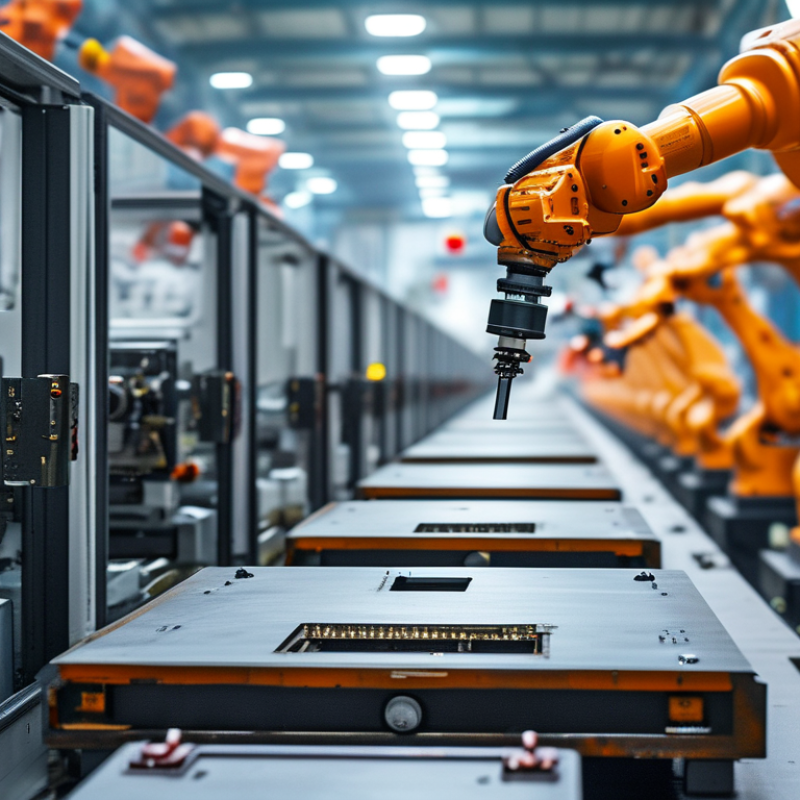
What is a Vision Inspection System?
A Vision Inspection System is a technology that leverages cameras and software to inspect and analyze products. It plays a vital role in quality control across various industries. By using advanced algorithms, these systems can detect defects, measure dimensions, and ensure that products meet predefined specifications.
The core function of a Vision Inspection System involves capturing images of products in real time. These images are then processed to identify any inconsistencies or issues. For instance, a simple product might be a bottle on a production line. The system checks for label alignment, fill levels, and overall packaging. This level of scrutiny can significantly reduce human error.
Despite its reliability, the system is not infallible. There are scenarios where subtle defects may go unnoticed. Lighting conditions, variations in product surface, and camera angles can affect accuracy. Continuous training and updates are required to enhance performance. Relying solely on automation can sometimes lead to blind spots. A balanced approach, combining human oversight and machine precision, ensures better outcomes.
Vision Inspection System Data Table
| Dimension | Description | Value |
| Resolution | The clarity and detail of the image captured by the system | 1920 x 1080 pixels |
| Frame Rate | The number of frames captured per second | 30 fps |
| Lighting Type | Type of lighting used for inspection | LED |
| Inspection Speed | The speed at which the inspection process occurs | 0.5 seconds per item |
| Defect Detection Rate | The percentage of defects detected by the system | 98% |
| Interface Type | The method of communication with the system | USB 3.0 |
| Software Compatibility | The operating systems compatible with the inspection software | Windows, Linux |
Key Components of Vision Inspection Systems
Vision inspection systems are essential for quality control in manufacturing. They rely on several key components to ensure precise inspections. Cameras act as the eyes of the system, capturing images of products on a conveyor belt. These cameras must have high resolution to detect even the smallest defects. The lighting is equally crucial; it highlights features and variations in products. Proper illumination helps in identifying flaws that might otherwise go unnoticed.
Processing software analyzes the captured images. It uses algorithms to compare real-time data against predefined standards. This comparison allows for immediate identification of issues. Sometimes, the software may struggle with complex backgrounds. Calibration is necessary to improve accuracy. Machine learning can enhance this process, but it requires a good dataset for training.
Another vital component is the user interface. Operators need to interact with the system effortlessly. A clean and intuitive interface can reduce errors during operation. Training staff is essential, as improper use can lead to inaccurate inspections. Regular maintenance of all components ensures long-lasting reliability. Investing in these key elements helps in achieving high production standards, but challenges in implementation remain.
How Vision Inspection Systems Operate
Vision inspection systems operate by utilizing advanced imaging technology to assess the quality of products in various industries. These systems typically use cameras and lighting to capture images of items on a production line. The images are then analyzed using sophisticated software that can detect defects, measure dimensions, and confirm proper labeling. This process helps ensure that only products meeting specified standards reach consumers.
In practice, vision inspection systems may face challenges. They might struggle with varying light conditions or complex product shapes that obscure details. The calibration of cameras and lenses requires keen attention to ensure consistent results. Despite these drawbacks, the technology continues to evolve, becoming more reliable over time. Users report improved efficiency and reduced human error, making these systems a valuable asset in quality control. The ability to integrate machine learning enhances their capabilities, allowing them to adapt and improve as they process more images.
Vision Inspection System Performance Analysis
Applications of Vision Inspection Systems in Industry
Vision Inspection Systems (VIS) have become essential in modern industries. They play a crucial role in ensuring product quality and compliance. Many sectors, including automotive and electronics, rely heavily on these systems for quality assurance. Research indicates that the global vision inspection systems market was valued at approximately $1.5 billion in 2022, with expectations of significant growth in the coming years.
In manufacturing, VIS helps identify defects at high speeds. For instance, in the pharmaceutical industry, it detects flaws in packaging. A report from industry experts highlights that up to 90% of companies improved efficiency by implementing these systems. This technology can reduce human error significantly, but it isn't flawless. Misalignments and software glitches can still occur, leading to false positives or negatives. Companies must continually refine their systems to minimize such issues.
Manufacturers also use VIS in material handling. Automated inspections can check the integrity of components before assembly. This process saves time and costs associated with manual inspections. According to the latest industry surveys, over 70% of firms reported reduced production costs through the use of VIS. However, integrating this technology can be challenging. Proper training for staff and maintenance of the equipment are critical. Without these steps, even the best systems may not perform optimally.
Advantages of Implementing Vision Inspection Systems
Vision Inspection Systems are transforming quality control in various industries. These systems use cameras and artificial intelligence to inspect products for defects. By detecting issues early, they help reduce waste and improve efficiency. One key advantage is the speed of inspections; machines can evaluate hundreds of items per minute, something humans cannot match.
Another benefit is the consistency of results. Unlike human inspectors, machines do not tire or overlook details. This leads to a more reliable quality assurance process. However, implementing such systems can be complex. Organizations may face challenges in integrating technology with existing workflows. Training staff to operate and troubleshoot these systems is also essential.
Moreover, while these systems offer great advantages, they are not infallible. False positives or negatives can occur, sometimes leading to unnecessary rework or missed defects. Regular updates and recalibrations may be required to maintain accuracy. Continuous monitoring is necessary to ensure optimal performance. Businesses must weigh these factors carefully.