Which Case Maker Is Best in 2026?
In 2026, choosing a Case Maker is less about chasing the newest label and more about matching the machine to daily production. A small print shop making short runs needs flexibility, quick changeovers, and dependable support. A high-volume bindery may care more about cycle speed, consistent alignment, and downtime. Details matter. The right choice depends on what you make, how often you make it, and who will maintain the equipment.
This guide compares Case Maker options through practical questions: What materials and case sizes can each model handle? How easy is setup for different jobs? Are replacement parts, training, and service realistically available? We also consider footprint, operator workload, safety features, and the total cost beyond the purchase price. A clear warranty and accessible technical help can matter more than a small speed advantage. Specifications can look impressive on a product page, yet real output depends on materials, operator skill, and workflow. Trade-offs remain. No single machine suits every workshop, and published figures do not replace a hands-on demonstration. Where manufacturer claims are difficult to verify, that uncertainty should be stated rather than disguised. Use the comparisons as a starting point, then test shortlisted machines with your own boards, cloth, and production targets. The best Case Maker in 2026 is the one that produces consistent results without creating costs or complexity your team cannot sustain.
Define a Case Maker by Its Corrugated-Box Converting Functions
Which Case Maker Is Best in 2026?
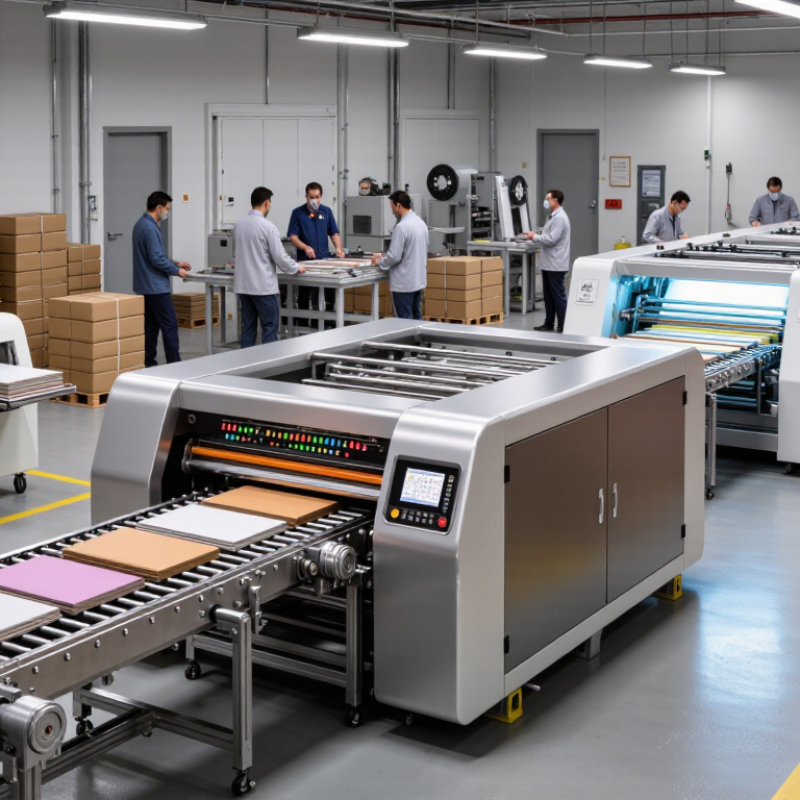
A case maker is best understood by the work it performs on corrugated board. It turns flat sheets into usable boxes through operations such as feeding, printing, slotting, folding, and gluing. Some configurations also stitch boxes. The exact combination varies, so the name alone tells buyers very little.
Look at the whole converting sequence. A steady feeder should handle the board grades and sheet sizes used on your floor. Printing needs clear registration; slots must land accurately for clean folds. Then check whether the folder-gluer holds the box square and applies adhesive consistently. Small faults matter. A wandering feed can create misprints, poor folds, and wasted sheets in one run.
Speed is only part of the decision. Ask how quickly operators can change formats, clear jams, and inspect finished cases. Review sample boxes from your own materials, not just a specification sheet. Track waste and stoppages during a realistic shift. There is no perfect setup for every plant. A faster machine may be the wrong choice if frequent changeovers slow the crew. Even a careful trial can miss a difficult production day. That deserves a second look.
Compare Rated Output in Cases per Minute and Maximum Sheet Width
Choosing the best case maker in 2026 means comparing rated output in cases per minute with maximum sheet width. A high speed figure matters only if it matches your case size, board grade, and production setup. Check whether the rating describes a brief peak or a repeatable shift rate. Ask how changeovers, feeding, and glue application affect the stated output.
Maximum sheet width shows the largest blank the machine can handle, but it does not guarantee faster production. Wider sheets may support larger case formats, while smaller blanks can run more efficiently. Compare width limits against your actual dielines, including margins and feeding requirements. A machine that accepts your widest sheet may still need slower settings for heavier board. That matters.
For a fair comparison, request performance data using a case format close to your own, then confirm the test conditions in writing. Record the rated cases per minute, sheet width, material, and setup time. If those details are missing, treat the headline number cautiously. Specs can be incomplete. During a plant trial, watch for jams, uneven folds, and pauses between batches; these small losses can make a fast rating less useful in daily production.
Which Case Maker Is Best in 2026? — Compare Rated Output in Cases per Minute and Maximum Sheet Width
| Case Maker Configuration | Indicative Rated Output
(Cases per Minute) | Maximum Sheet Width
(mm) | Best Suited For |
| Compact, narrow-format inline flexo folder-gluer | 150–250 | 1,600–2,000 | Smaller plants, compact footprints, and short-to-medium production runs. |
| Standard inline flexo folder-gluer | 200–350 | 2,000–2,500 | General-purpose production across a broad mix of regular slotted cases and common box styles. |
| High-speed inline flexo folder-gluer | 300–450 | 2,000–2,800 | High-volume orders where speed and repeatable production are priorities. |
| Wide-format inline case maker | 150–300 | 2,500–3,300 | Large-format cases and plants that regularly process wider corrugated sheets. |
| Flexible, short-run case-making configuration | 100–200 | 1,600–2,500 | Frequent job changes, varied order sizes, and production flexibility rather than maximum line speed. |
How to compare: These are indicative capability ranges for equipment configurations, not guaranteed specifications for a particular machine. Rated speed is generally stated in sheets per minute; the table expresses it as cases per minute on the assumption that each sheet produces one case. Actual output depends on sheet size, board grade, print coverage, job setup, and operating conditions. The best choice depends on both required throughput and maximum sheet width.
Assess Board Range, Print Stations, and Job-Changeover Time
Which Case Maker Is Best in 2026?
A case maker’s board range matters only when it matches the work you actually run. Check the minimum and maximum board sizes, flute profiles, and usable thickness range against recent orders. Then test a few difficult blanks, not just clean, standard stock. Watch for skew, crushed edges, and inconsistent feeding. Small defects add up. A machine may accept a broad range on paper but run only a narrower range reliably at production speed.
Print stations deserve the same practical scrutiny. Count the colors and print positions required for everyday jobs, then inspect registration on real board. Ask how quickly operators can adjust for a new design, and whether setup waste is recorded. A sharp sample from a slow trial can mislead. In my view, repeatability matters more than a headline speed figure, though measuring it takes time many teams do not have.
Job-changeover time can quietly shape daily output. Time the full change, from the last good case of one order to the first acceptable case of the next. Include plate changes, ink adjustments, feeder settings, and quality checks. Keep the job sequence realistic. Not always. A short changeover in a demonstration may depend on an experienced operator or unusually simple artwork. Record several shifts, and note where production pauses; the numbers may be less tidy than expected.
Which Case Maker Is Best in 2026?
Compare board range, print stations, and routine job-changeover time against your production needs.
Board Thickness
Typical planning range · mm
Print Stations
Typical planning range · stations
Routine Job Changeover
Typical planning range · minutes
These broad planning ranges are not verified specifications for any particular machine. Actual capabilities and changeover times depend on configuration, tooling, job complexity, and operator practice. The best choice is the machine that meets your board and print requirements while demonstrating fast changeovers on your own jobs.
Use 32 ECT Board and ISO 12048 Compression Tests to Check Box Quality
Which Case Maker Is Best in 2026?
Use 32 ECT Board and ISO 12048 Compression Tests to Check Box Quality
A reliable case maker should explain how its board and finished boxes are tested. A 32 ECT rating measures edge-crush strength of corrugated board; it does not guarantee that every packed box will resist stacking well. Box size, seams, printing, moisture, and contents all affect performance. Ask for the board specification and a test report tied to the box design you plan to order.
Tips: Request samples from a normal production run. Check dimensions, fold lines, and glue seams, then compare test records. Keep the test conditions with your notes.
ISO 12048 provides a method for testing package compression, helping buyers assess how a complete package handles a compressive load. Ask whether the test used the same box style, closure, and loading conditions as your shipment. A result without those details is hard to compare. For a useful evaluation, confirm sample quantity, conditioning, and the reported failure point. Small differences matter. I would not choose a supplier on one impressive number alone; repeatability across samples deserves attention too. Even careful checks can miss changes caused by damp storage or a different packing line.
Rank 2026 Models by Uptime, Cost per Case, and Service Coverage
A credible 2026 case-maker ranking should weigh verified uptime, cost per good case, and service coverage—not headline speed alone. Ask suppliers for 12 months of production logs, including unplanned stops, changeovers, and rejected cases. Calculate cost per case from labor, energy, consumables, maintenance, and scrap, divided by saleable output. Keep the comparison fair. Similar products, shifts, and operating speeds matter; otherwise, a low-cost machine may simply be running an easier job. The ranking is useful, but not perfect.
Service access affects real uptime. Record technician response times, local parts availability, and the number of trained technicians within practical travel distance. McKinsey’s analysis of predictive maintenance reports potential downtime reductions of 30–50%; that is an industry estimate, not a guarantee for any case maker. Deloitte’s 2024 smart-manufacturing survey found that 86% of respondents expected smart manufacturing to drive competitiveness within five years. These findings support evaluating maintenance data and remote diagnostics, but they do not identify a winning model. Check the details. A promise of fast support means little if critical parts sit overseas. Publish each model’s test period, case format, and service assumptions beside its score. Small gaps in those details can change the result.