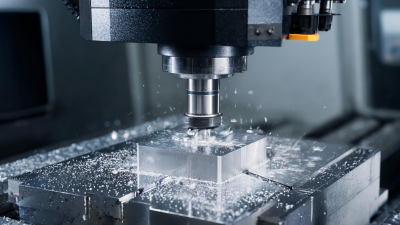
Choosing the best cnc machine tools in China depends on the work a shop needs to perform, not just the machine’s price or headline specifications. A compact three-axis mill may suit a small workshop making aluminum brackets, while a production line may need a faster, more automated system. Consider the materials, part sizes, tolerances, and daily workload before comparing models. Those details shape what “best” means.
Look closely at spindle power, positioning accuracy, control systems, tool-changing capacity, and service support. A machine’s brochure can make every option look capable. Real performance also depends on installation, operator training, maintenance, and the consistency of the parts being produced. Small details matter. A clear warranty, accessible spare parts, and responsive technical support can reduce downtime when a component needs adjustment.
This guide examines how to compare cnc machine tools from Chinese manufacturers using practical criteria rather than broad claims. It considers common machine types, key specifications, supplier checks, and questions worth asking before requesting a quotation. Buyers should verify certifications and performance records directly with suppliers, and request test results relevant to their own applications. Even careful comparisons have limits: factory conditions, local service, and individual requirements vary. The right choice is the machine that meets defined production needs reliably, with support the buyer can actually access.
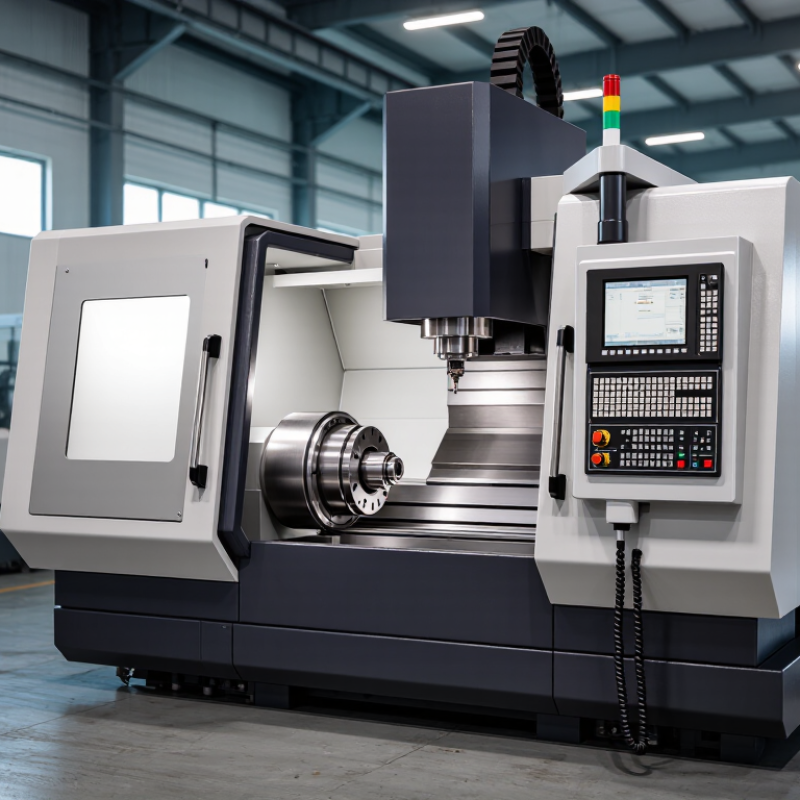
A high-quality CNC machine tool is not defined by a long feature list. It is defined by how consistently it holds accuracy under real cutting conditions. On a test part, check bore size, surface finish, and positioning after the machine has warmed up. Then repeat the cut. Small drift matters.
A rigid frame, well-supported spindle, and stable thermal design help limit vibration and dimensional change. But rigidity alone is not enough.
Check axis repeatability and tool-change consistency using documented tests, not sales claims.
The control system should make setup clear, display useful alarms, and store programs reliably. Service access matters too: can technicians reach filters, lubrication points, and electrical cabinets without removing major panels?
Ask for acceptance-test records, maintenance intervals, and realistic support response times. Good records are evidence.
Tool compatibility, workholding, coolant delivery, and chip removal must suit the materials and parts being produced. A machine that performs well on aluminum may struggle with long steel cuts or tight tolerances.
No single rating tells the whole story. Buyers can overvalue rapid traverse speed, even though stable cutting and uptime often matter more.
Main Types of CNC Machine Tools Produced in China
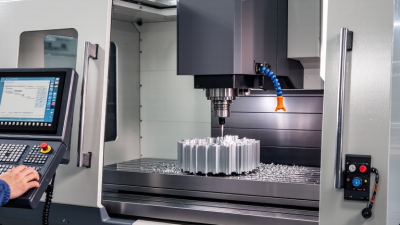
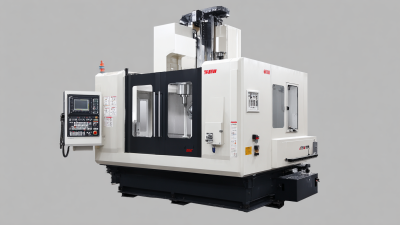
China’s CNC machine-tool sector covers several practical categories. CNC milling machines and machining centers cut flat surfaces, slots, pockets, and complex contours. Vertical models suit many general-purpose jobs, while horizontal centers can handle multiple faces with fewer setups. That difference matters when parts are heavy or production runs are long.
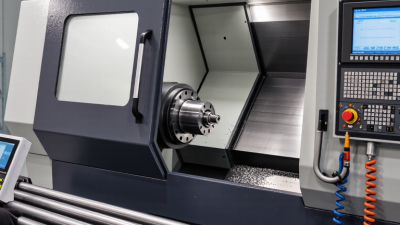
CNC lathes and turning centers shape rotating parts such as shafts, sleeves, and threaded components. Some models combine turning with live tooling, allowing limited milling operations in one setup. Drilling and tapping machines focus on repeatable hole patterns, often used for aluminum housings and fixture plates. For tight surface finishes, CNC grinders remove small amounts of material with controlled precision. They are less forgiving of poor setup. Tool condition and temperature still matter.
Other notable types include wire-cut and die-sinking electrical discharge machines, which shape conductive materials without conventional cutting forces. CNC laser and plasma systems process sheet metal, though their best uses differ by material thickness and edge-quality needs. A machine’s category alone does not establish its suitability. Buyers should compare working travel, spindle power, positioning accuracy, control functions, and local service support. A useful check is to inspect a sample part and review measurement records. Catalog figures can look reassuring; actual performance deserves scrutiny.
What Are the Best CNC Machine Tools in China?
China’s CNC industry includes manufacturers focused on different machine types and production needs. Some specialize in vertical machining centers for milling housings, brackets, and other prismatic parts. Others build horizontal machining centers, which can reduce repositioning during multi-face work. Turning centers serve shops producing shafts, bushings, and threaded components. The best fit depends on the part, tolerance, and production volume—not a single ranking.
Specialists also differ in scale and application. Some make compact machines for small workshops, while others design heavy-duty equipment for large metal components. A manufacturer’s expertise may include spindle performance, automation integration, or stable machining of hard materials. Ask for test-cut data using material and tooling similar to yours. Check positioning accuracy, service coverage, and spare-part availability too. A polished brochure is not proof of consistent performance. This distinction is easy to overlook.
Tips: Request a sample cut. Review the measurement report and inspect the finish under good lighting. Confirm what installation and operator training include. Specifications can be difficult to compare across suppliers, so clarify measurement conditions. A little uncertainty remains until the machine runs in your own workflow.
A practical overview of typical axis counts across CNC machine types—not a ranking of manufacturers or machine quality.
Axis configurations vary by model and options. For example, CNC lathes commonly use two axes, while specialized machines may have additional axes.
Choosing CNC machine tools in China starts with the workpiece, not the catalogue. Define materials, dimensions, batch size, and required tolerances before comparing models. Precision claims need context. Ask whether figures describe positioning accuracy, repeatability, or finished-part results. They are not interchangeable. Request a test cut using a representative material, then inspect the part with calibrated measuring equipment. Small details matter. Check spindle temperature, vibration, tool runout, and dimensional drift after warm-up. A machine that performs well for one short cut may behave differently across a long production shift.
Capacity should include usable travel, table or chuck load, tool storage, and clearance for fixtures. Leave room for the actual setup, not just the raw part. Automation can reduce handling time, but only when loading, probing, tool changes, and chip removal fit the process. Compare interface clarity, recovery steps after an alarm, and access to local service and spare parts. Ask operators to run a sample cycle. Their feedback may reveal awkward routines that a brochure misses. I would avoid treating the highest speed or most automated package as the best choice; it can add cost without improving stable output. Real production conditions may still expose gaps in even a careful comparison.
Choosing among CNC machine tools in China starts with the part, not the machine’s headline specifications. Write down the material, largest workpiece, required tolerance, and expected monthly volume. A compact aluminum bracket may need high spindle speed, while a steel component benefits from torque and a rigid frame. Check the actual working envelope, including fixture height. Fit matters.
Match the machine’s axes and tooling to the operations. Three-axis milling handles many flat and prismatic parts; angled features may call for a fourth or fifth axis. For repeated batches, an automatic tool changer can reduce idle time. Ask for a test cut using material and tooling similar to yours. Inspect edge finish, chip evacuation, and measured dimensions—not just a polished demonstration.
Consider the people and conditions around the machine, too. Confirm local service access, operator training, spare-part availability, and the control system your team can support. A machine with impressive speed may still disappoint if setup takes too long or coolant cannot manage the material. Small details matter. Even a careful selection can miss something; record cycle time and tool wear during early production, then adjust the process before expanding the batch.
| Machine Type | Typical Applications | Axes and Main Capability | Suitable Workpieces and Materials | Key Selection Checks | Potential Limitation |
|---|---|---|---|---|---|
| Vertical machining center | General-purpose milling, drilling, tapping, and pocket machining | Usually 3 linear axes; work is accessed from above, with optional rotary axes on some configurations | Prismatic parts, plates, molds, and housings made from aluminum, steel, or cast iron | Check table size, axis travel, spindle speed and torque, tool capacity, workholding, and chip removal | Less efficient than a horizontal layout for some multi-face jobs requiring repeated setups |
| Horizontal machining center | High-volume machining of multiple faces, especially with palletized production | Typically 3 linear axes with a rotary table or indexing axis; horizontal spindle orientation supports side machining | Box-shaped components, valve bodies, transmission housings, and other parts with several machined faces | Assess pallet size, indexing accuracy, tool-change time, workpiece access, and integration with automation | Often requires more floor space and higher investment than a basic vertical machine |
| 5-axis machining center | Complex contours, angled features, impellers, molds, and parts needing fewer setups | Three linear axes plus two rotary axes; can machine multiple orientations in one setup | Complex parts in aluminum, steel, titanium, and other machinable metals | Check usable work envelope, rotary-axis range, tool and fixture clearance, control functions, and postprocessor support | Programming, fixturing, and operator training are more demanding than for basic 3-axis work |
| CNC turning center | Turning cylindrical parts; some models also perform milling and drilling | Commonly uses X and Z axes; live tooling or a Y-axis may add off-center features | Shafts, bushings, pins, threaded parts, and rotational components in steel, aluminum, or brass | Match bar capacity and chuck size to the part; check spindle speed, through-hole size, tooling, and part-catching needs | Not the best primary choice for parts dominated by complex prismatic milling |
| CNC router | Large-format cutting, profiling, engraving, and light-duty milling | Usually 3 linear axes with a gantry-style layout; working area can be larger than that of many metal-cutting machines | Wood, plastics, composites, foam, and some non-ferrous materials, depending on machine construction | Check bed dimensions, spindle power, frame rigidity, dust or chip extraction, and the required cutting tool | Many routers are not designed for sustained heavy cutting of hard metals |
| CNC grinding machine | Precision finishing where surface finish, size, or geometry requirements are demanding | Configuration depends on the process; common types include cylindrical, surface, and tool grinding machines | Hardened steels, precision shafts, flat components, and cutting tools | Specify the grinding process, workpiece geometry, wheel requirements, dressing method, and coolant system | Grinding is generally a finishing process and may not replace milling or turning for bulk material removal |
Selection note: The best machine depends on part geometry, material, tolerances, production volume, available floor space, and operator capability. Machine configurations and specifications vary; confirm the usable work envelope, accuracy requirements, tooling, service support, and acceptance-test criteria before purchase.
"*" indicates required fields